
The Tiny Sound Engineer Was Listening
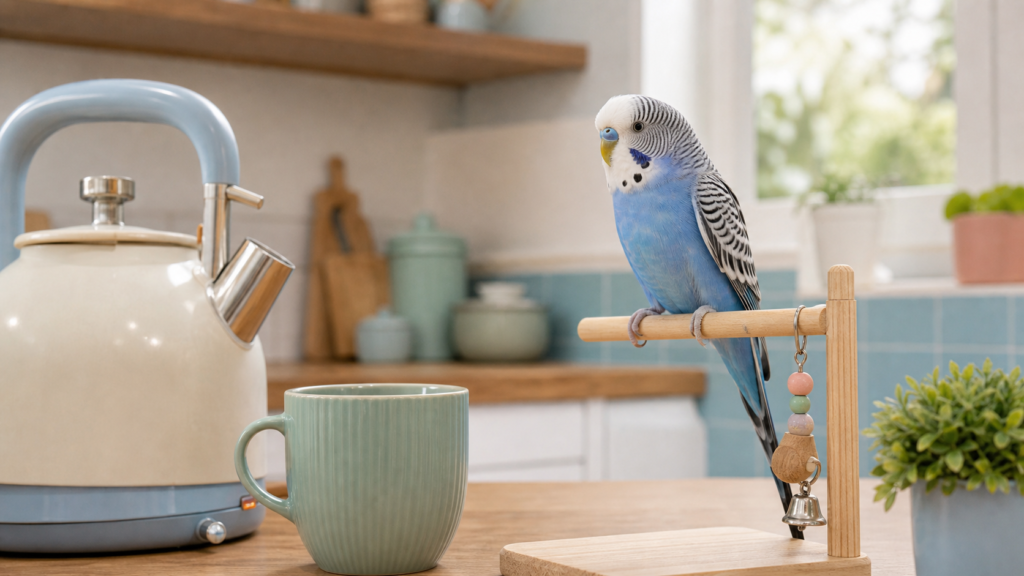
There is something very funny about a pet bird copying a household sound with complete confidence. A phone chirps once, the kettle beeps, someone whistles in the hallway, and suddenly the smallest resident in the room appears to have joined the audio department.
But the joke has real pet logic behind it. Birds are highly alert to repeated sounds, social routines and the reactions around them. If a sound keeps happening near food, attention, movement or people talking, it can become part of the bird’s little map of the home.
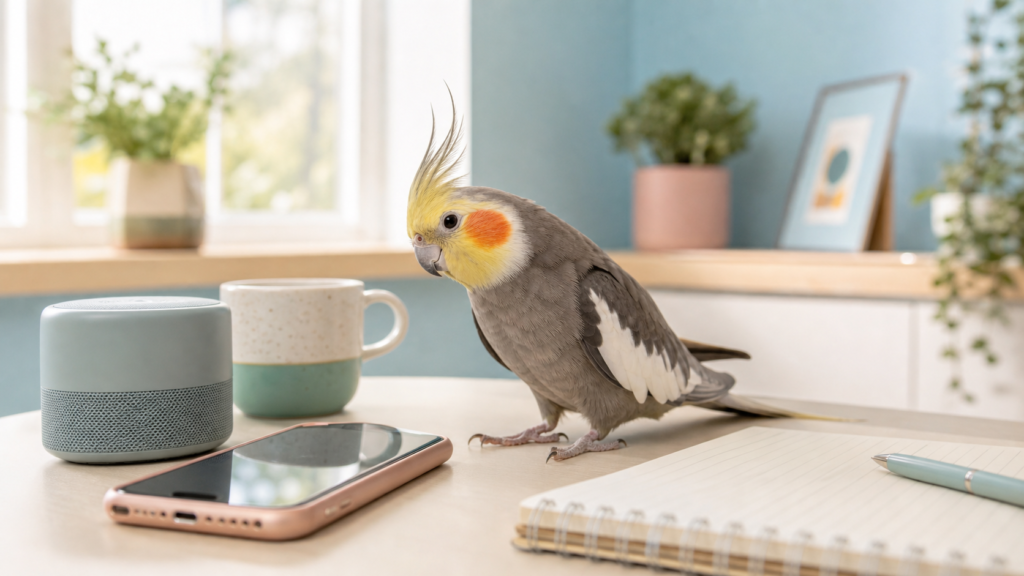
So when a bird copies a beep, whistle or voice, it is not always random noise. Sometimes it is curiosity. Sometimes it is social contact. Sometimes it is a tiny feathered person saying, in the only way available, “I have noticed the important sound.”
Birds Learn The Room Like A Sound Map
Many pet birds live inside a pattern of repeated noises. Morning voices. The kettle. A microwave beep. A door opening. A phone notification. A favourite person laughing. None of these sounds are meaningless if they reliably predict something in the bird’s day.
That is why a bird may copy a household sound before it seems to “make sense” to us. The sound has become connected to routine. If the kettle usually means someone appears in the kitchen, or a phone sound makes everyone look up, the bird may learn that the sound matters.
Mimicry Can Be Social, Not Just A Party Trick
People often treat mimicry like a performance, but for many birds, sound is also social. Birds use calls to stay connected, notice movement and keep track of what is happening around them. A copied whistle or beep can be part of that social loop.
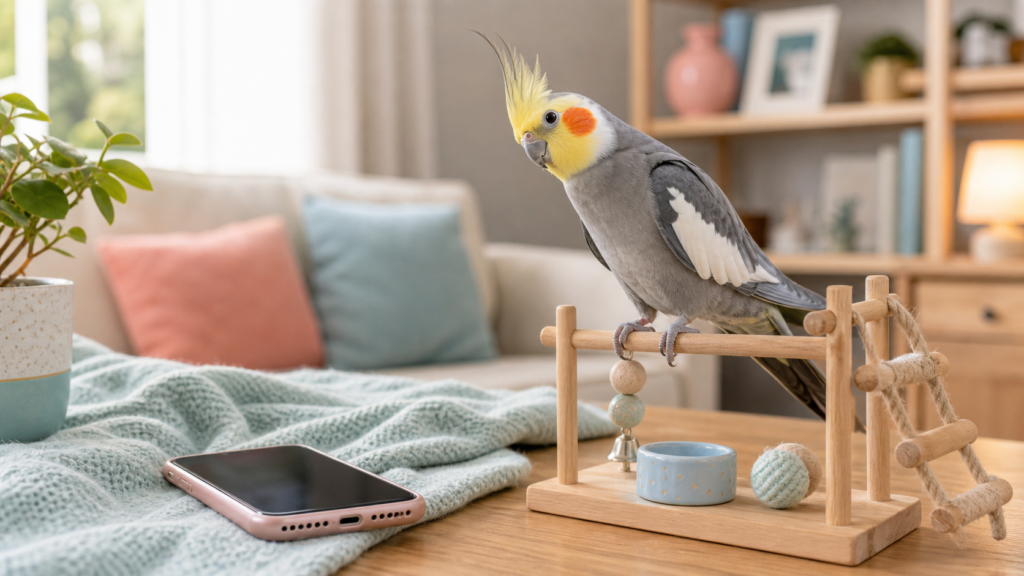
This does not mean the bird understands the sound exactly the way a person does. A cockatiel copying a ringtone is not necessarily thinking about missed calls. It may simply have learned that this sound gets a reaction, belongs to the household rhythm, or feels satisfying to repeat.
Attention Can Accidentally Train The Best Noises
Birds are sharp little pattern detectives. If they copy a sound and everyone laughs, turns around, talks back or starts filming, the sound becomes more rewarding. The bird has discovered a tiny button that makes the room respond.
That is not bad by itself. Shared sounds can be sweet and bonding. The problem starts when every loud or piercing noise gets a big reaction. If screaming earns more attention than calm chirping, the household may accidentally teach the exact sound nobody wanted repeated.
Give The Sound Brain Better Jobs
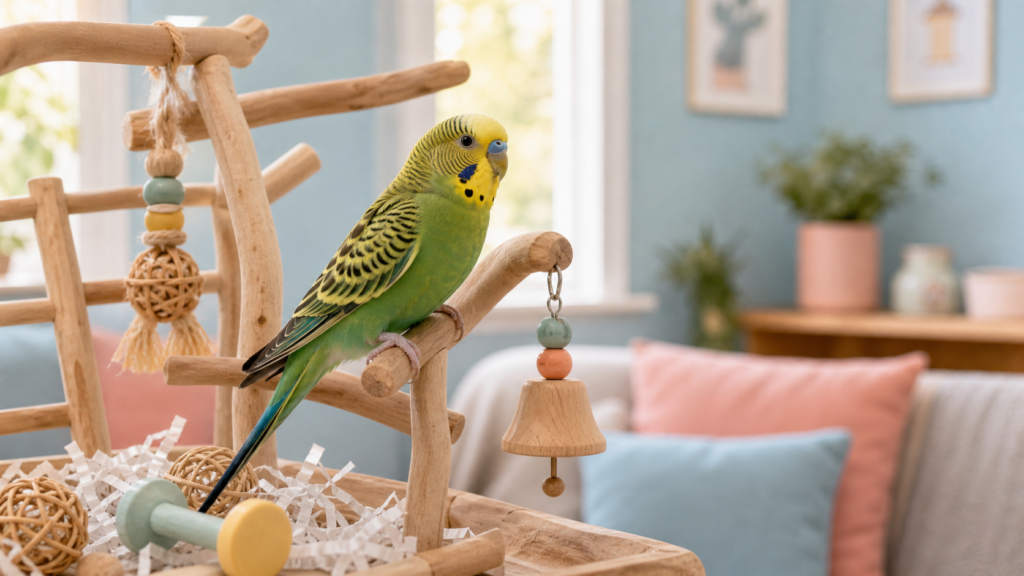
A bird that loves copying sounds may also benefit from safe enrichment. Foraging toys, supervised training, rotation of safe chewable items, calm interaction, predictable routines and quiet social time can all give that busy brain something better to do than shout at the kettle all afternoon.
The goal is not to silence a healthy bird. Birds are naturally vocal. The better aim is to make the day interesting enough that vocal play stays part of a balanced life instead of becoming the only available activity.
When Sound Changes Need A Closer Look
Normal chirps, chatter and copied sounds are one thing. A sudden change is different. If a bird becomes unusually quiet, suddenly much louder, hoarse, distressed, breathy, withdrawn, fluffed up for long periods, uninterested in food, or starts showing stress behaviours, that is worth taking seriously.
Birds can hide problems well, so changes in voice, energy, appetite or breathing should not be brushed off as just a new phase. If something feels sudden or wrong, a qualified avian vet is the safest next step.
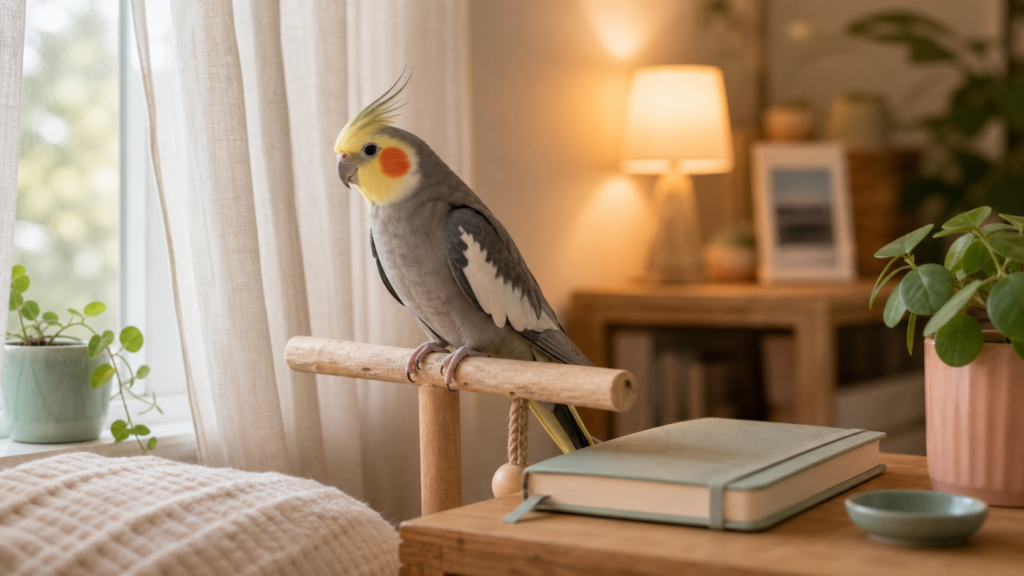
The Home Routine Matters More Than We Think
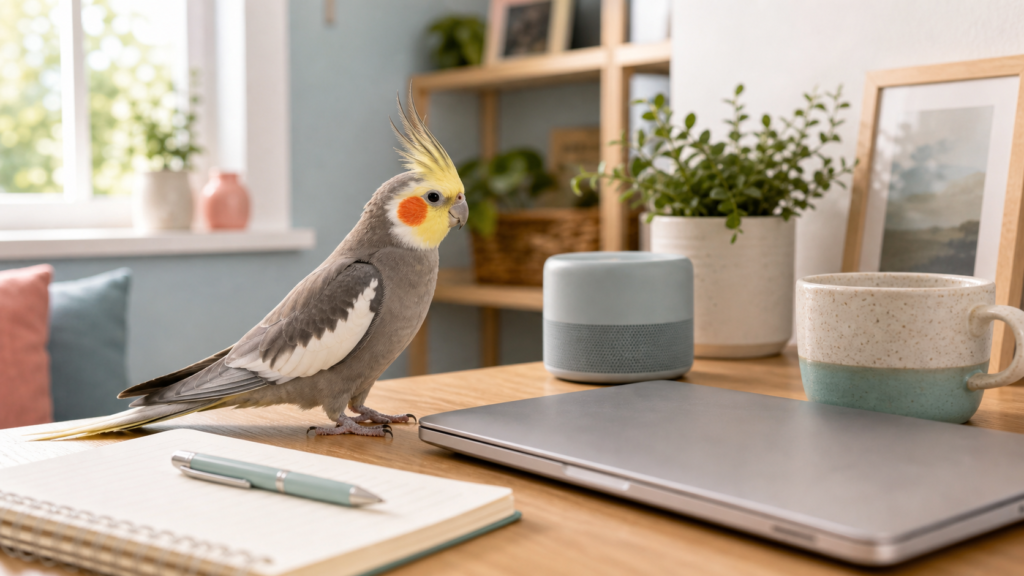
A bird does not need to understand every object in the room to understand that some objects change the day. The phone makes humans move. The kettle brings people into the kitchen. A door sound means someone is arriving. A laptop opening may mean attention is about to vanish into the glowing rectangle.
That is why copied sounds can feel so perfectly timed. The bird has learned the soundtrack of the home, and sometimes it plays the track back at exactly the wrong, funny, or strangely accurate moment.
More Tiny Pet Logic on CloudyAww
The sweetest way to read a sound-copying bird is not “they are being annoying” or “they think they are human.” It is usually softer than that. They are listening, learning, joining in, and testing which noises matter to the flock they live with.
So if your bird copies the kettle, the phone, a whistle, a laugh or the one sound nobody can believe they learned, the tiny sound engineer may simply be reporting for duty. The room made a noise. The bird took notes. And now the household soundtrack has feathers.
If tiny animals doing surprisingly clever things are your favourite corner of the internet, see what guinea-pig popcorn jumps may mean and why rabbits seem determined to chew everything. More warm, practical pet explainers live in Aww Articles.