The Whole Conversation Is Not In The Bark
Dogs can be extremely obvious and completely mysterious at the same time. One minute the tail is moving, the ears are doing something complicated, the paws are halfway committed to a plan, and everyone in the room is trying to work out whether this is joy, nerves, hope, confusion, or the beginning of a snack negotiation.
That is the useful thing about dog body language: it is rarely just one signal. A wagging tail on its own does not explain the whole dog. Ears, eyes, posture, mouth, movement, distance, speed, and the tiny pause before a dog chooses what to do next all matter together.
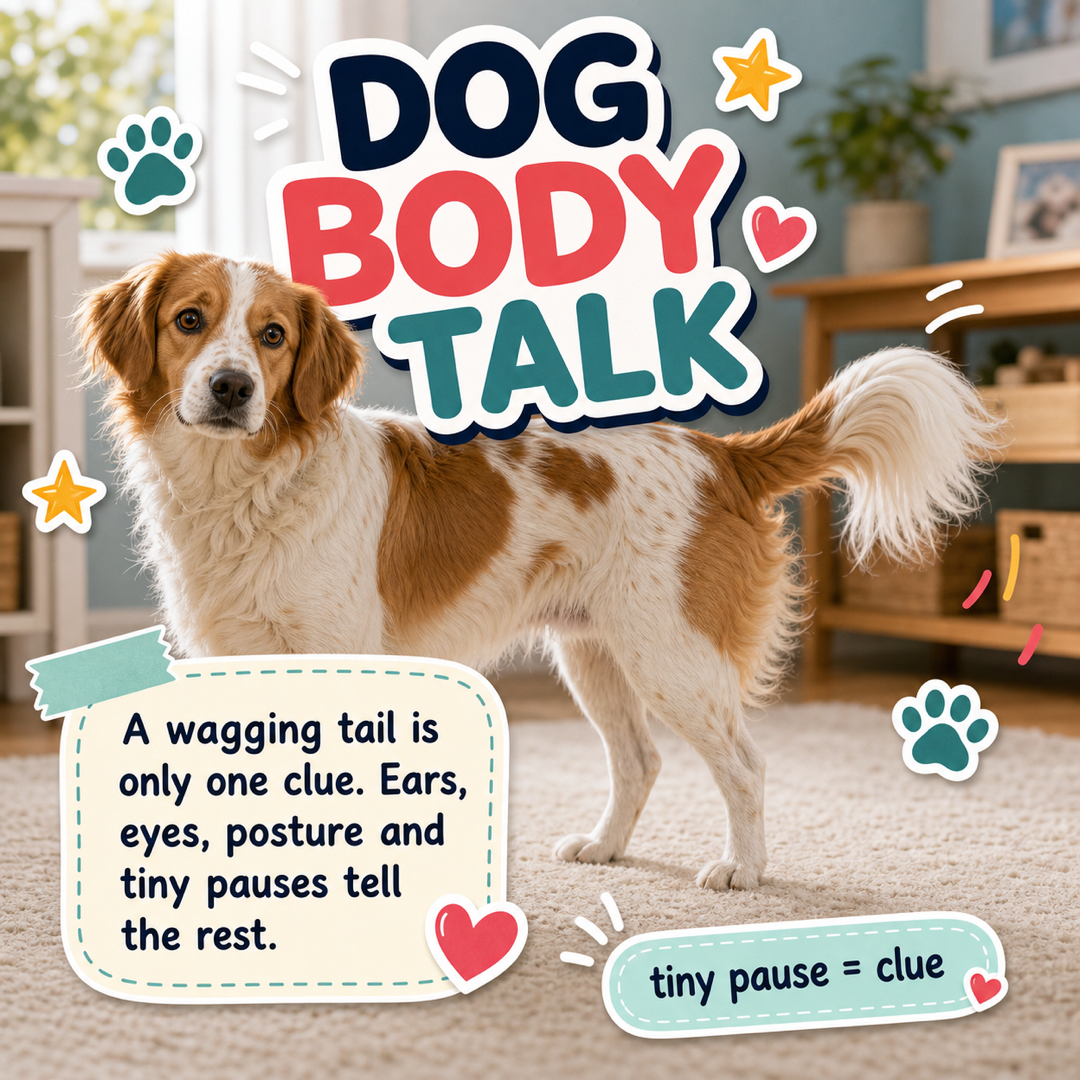
The goal is not to become a dramatic dog detective every time your dog blinks. The goal is softer and more practical: notice the whole picture before you decide what the dog is saying.
Start With The Whole Dog
It is tempting to zoom in on the tail because tails are loud. They move, they thump, they look like the obvious subtitle. But a tail can mean different things depending on the rest of the body. A loose wag with soft eyes and a relaxed body feels different from a fast stiff wag with a tight mouth and a body leaning forward.
A better first question is: does the whole dog look loose or tight?
A loose dog usually moves with soft curves. The body is wiggly, the face looks open, the weight shifts easily, and nothing seems locked in place. A tense dog may look still, tall, low, frozen, stiff, tucked, leaning away, or ready to explode into movement. That does not always mean danger. It does mean the dog is processing something.
Tails Are Clues, Not Subtitles
A tail can tell you about energy, direction, confidence, worry, or uncertainty, but it does not translate perfectly into one human sentence. A high tail may show alertness or confidence. A low or tucked tail may show worry, discomfort, or caution. A broad relaxed wag often feels social and loose. A tiny fast wag on a stiff body can mean the dog is switched on, not automatically happy.
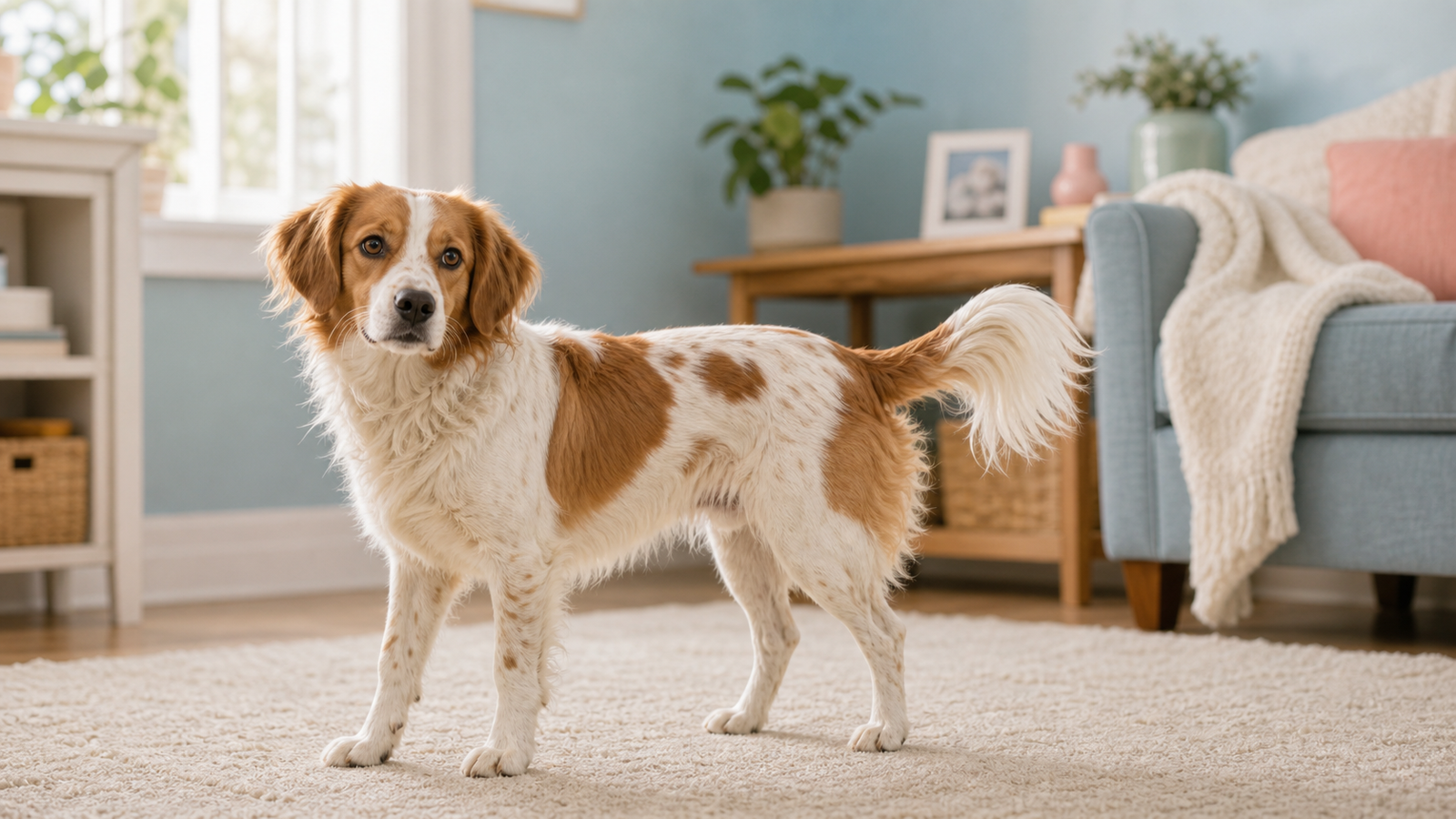
This is why the classic “but the tail was wagging” line can be misleading. The tail is one part of the message. If the mouth is tight, the eyes are hard, the body is frozen, or the dog is trying to create distance, the tail does not cancel that out.
Read the tail with the body. That one habit makes dog body language much less confusing.
Ears And Eyes Add The Fine Print
Ears can be tricky because dog breeds wear their ears differently. A prick-eared dog, a spaniel, a pug, and a terrier are not working from the same equipment. Still, changes from that dog’s normal can tell you something. Ears forward can show interest or alertness. Ears pulled back can be friendly, worried, appeasing, or uncomfortable depending on the rest of the body.
Eyes can be just as important. Soft blinking eyes often feel calmer. A hard stare, wide eyes, whale eye, or a dog repeatedly looking away can suggest pressure. Looking away is not always “ignoring you.” Sometimes it is a polite way of saying, “I need this to be less intense.”
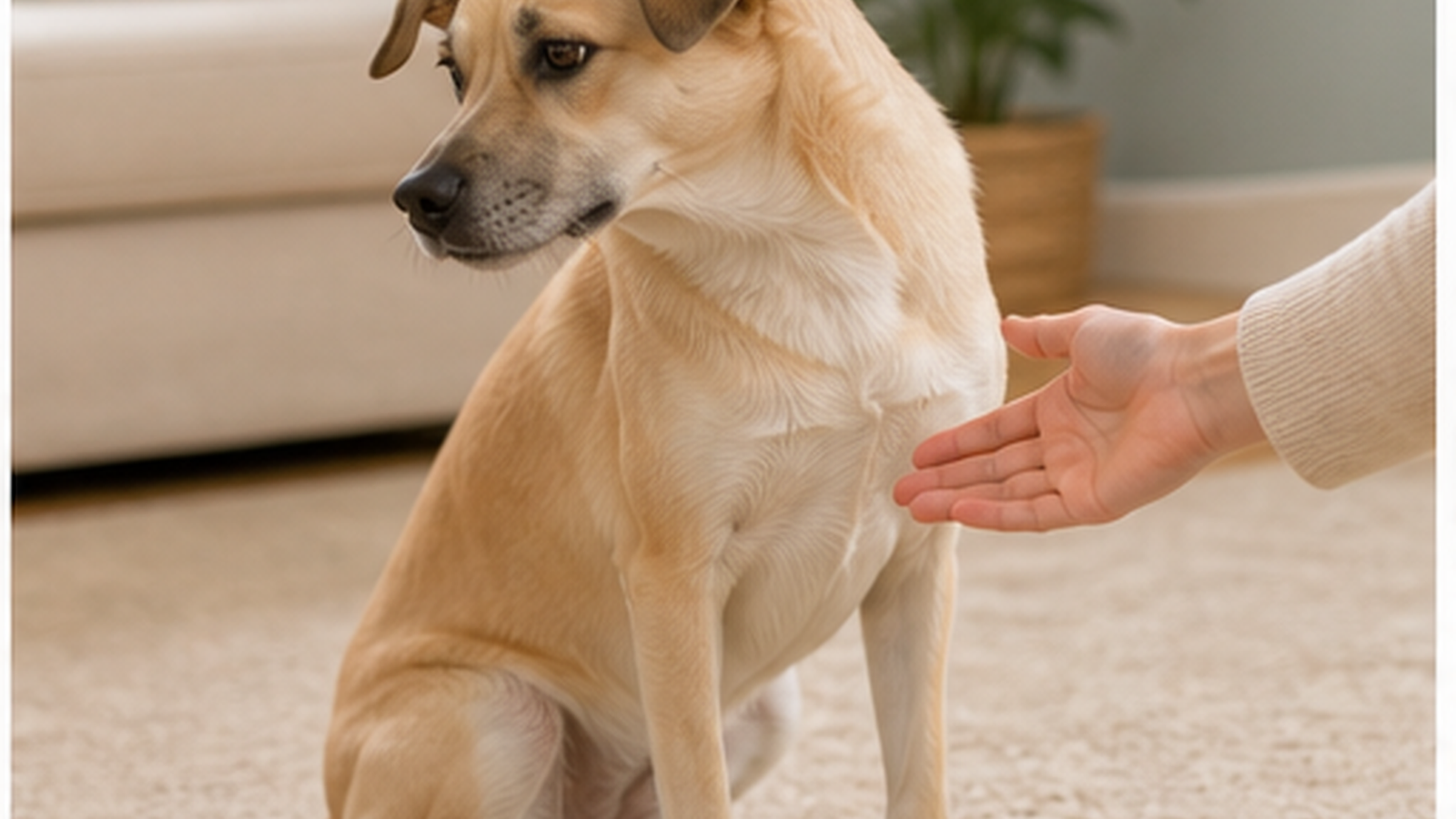
The fine print matters because many dogs do not start by making a huge scene. They start with smaller signals: glancing away, freezing for half a second, licking lips, yawning, turning the head, stepping back, or pausing before they move closer.
The Tiny Pause Is Often The Smartest Part
One of the most useful signals is not dramatic at all. It is the pause.
A dog pauses before stepping through a doorway. Pauses before taking a treat. Pauses when someone reaches down. Pauses near a new object. Pauses when another dog comes closer. That little still moment can be the dog gathering information before deciding what feels safe.
If the pause is soft and curious, the dog may simply be thinking. If the pause is stiff, low, frozen, or paired with tight facial muscles, it may be a request for more space.
Respecting the pause is powerful. Give the dog a second. Let them sniff. Let them choose whether to come closer. Slow your hand down. Make the situation easier. A tiny pause noticed early can prevent a much bigger reaction later.
Happy Usually Looks Loose
Relaxed dogs often look a little inefficient in the best way. The body curves. The tail moves without making the rest of the dog stiff. The mouth may be gently open. The face looks soft. The dog can change direction without bracing. They can choose to move closer or away without seeming trapped.
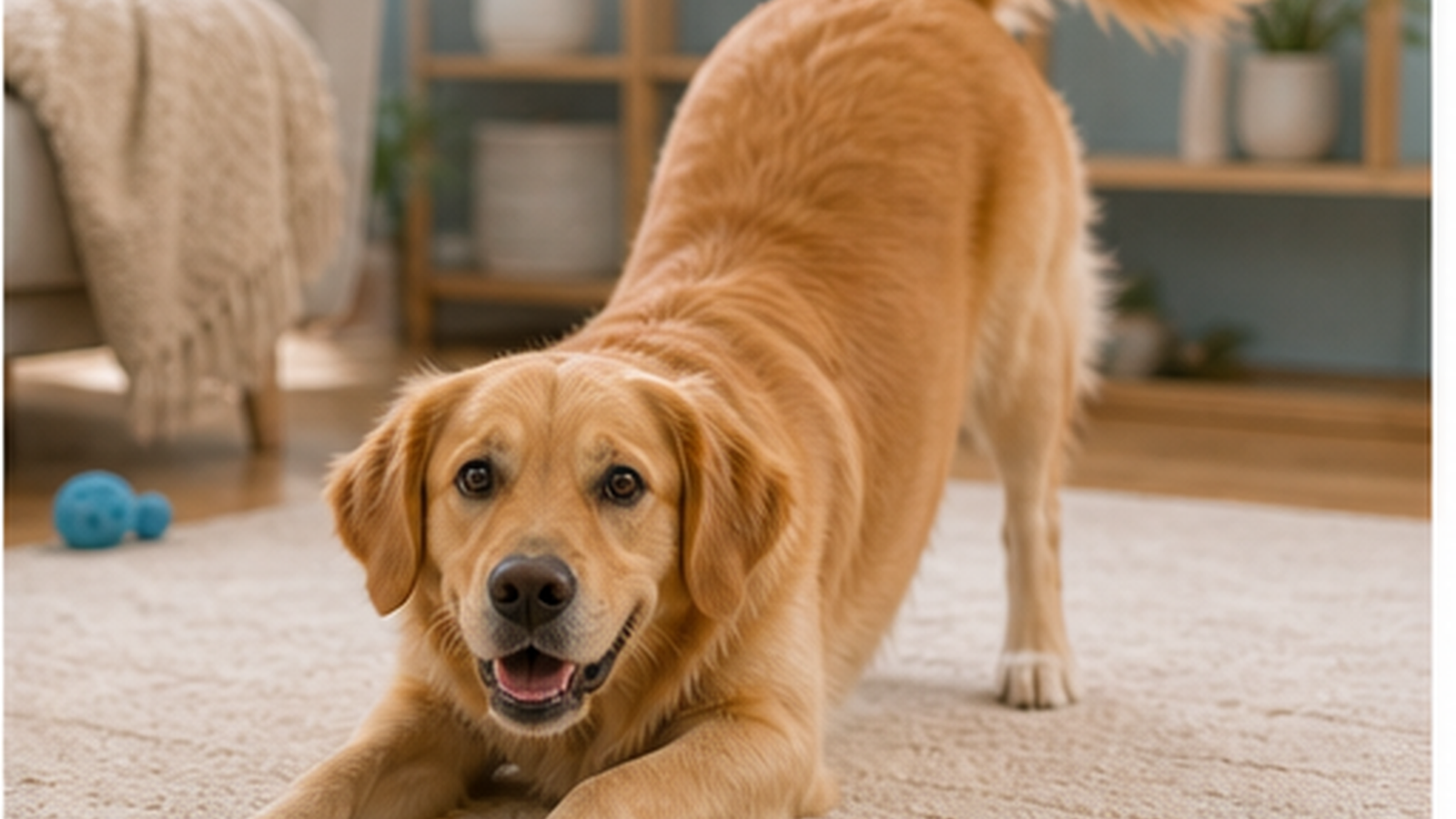
Playful body language often has bounce in it. A play bow, loose side-to-side movement, bouncy steps, and self-interrupting pauses can all be part of friendly play. Even then, good play has breaks. Dogs should be able to pause, shake off, switch roles, and come back without one dog constantly trying to escape.
If the energy is high but the body stays loose and the dogs keep checking in, that is very different from high energy with stiff bodies and no breaks.
Stress Can Look Quiet
Stress is not always barking, lunging, or running away. Sometimes stress looks like doing less. A dog may freeze, turn away, close their mouth, hold their breath, lick their lips, yawn, sniff the ground suddenly, lift a paw, tuck the tail, flatten the body, or move behind a person.
Some of those signals can happen for normal reasons too. Dogs yawn when tired. Dogs sniff because the world is full of smells. The pattern matters. If several signals appear together, or they happen right after a specific trigger, they are worth noticing.
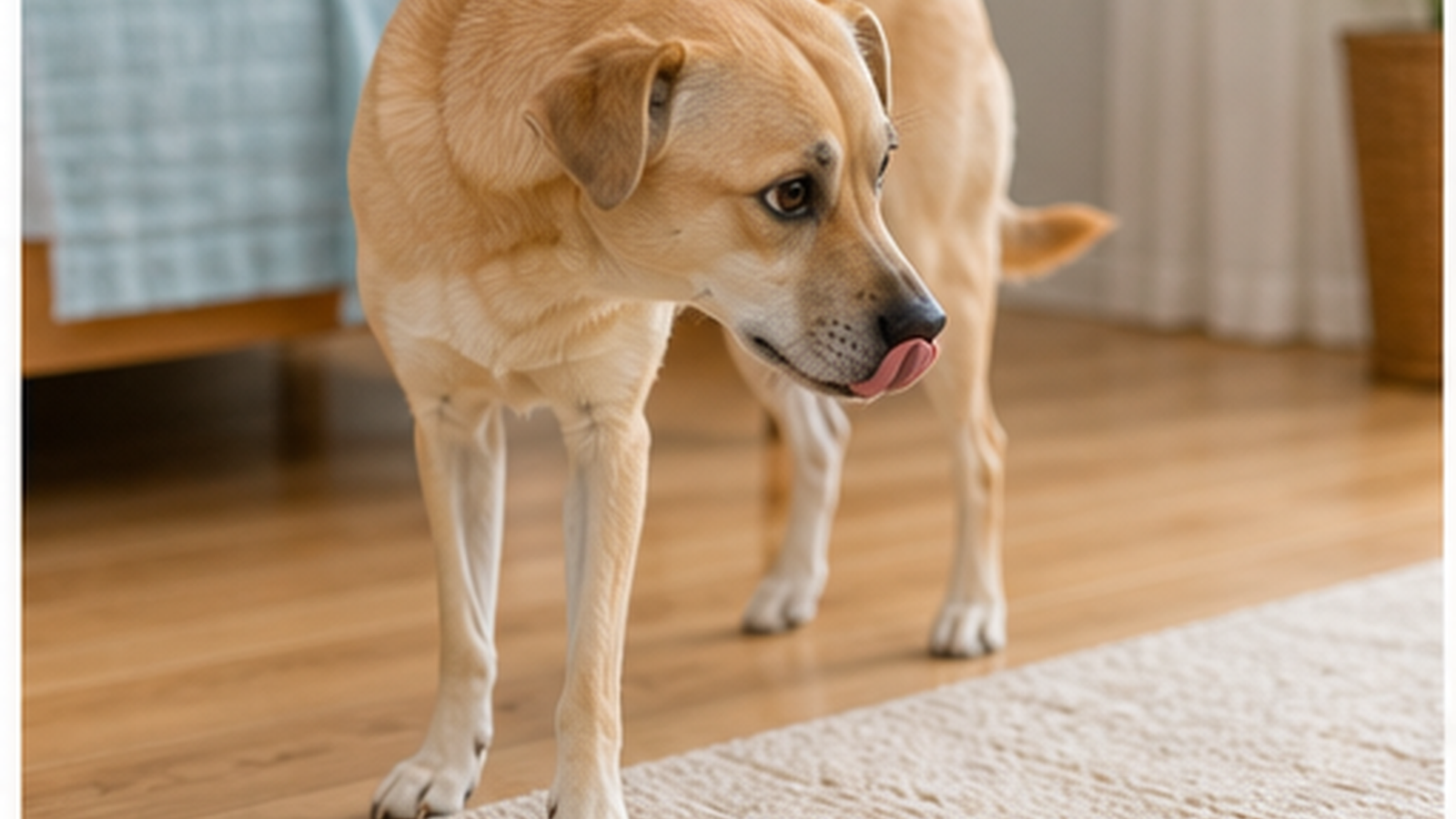
A dog who is quietly stressed is not being stubborn. They may be trying very hard to avoid conflict. The kindest response is usually to reduce pressure: step back, stop reaching, add distance, lower the excitement, or give the dog a clear safe route.
Body Language Changes With Context
The same signal can mean different things in different places. A dog licking lips in the kitchen may be hoping for food. A dog licking lips at the vet, while a stranger leans over them, may be worried. A dog leaning into a favourite person on the sofa may be relaxed. A dog leaning forward toward another dog with a stiff body may be much more intense.
Context is not an excuse to over-explain everything away. It is the thing that keeps the reading fair.
Ask what just happened. Who moved? What changed? Is the dog trying to get closer, get away, hold still, avoid eye contact, or control distance? Is the dog able to leave? Are they recovering quickly, or staying tense?
Children, Guests And Good Intentions Need Extra Space
Lots of dog misunderstandings come from loving humans doing too much. Children may hug, lean, chase, stare, grab, or put their face close because they are excited. Guests may reach over the head, crowd the dog, or assume a wag means permission.
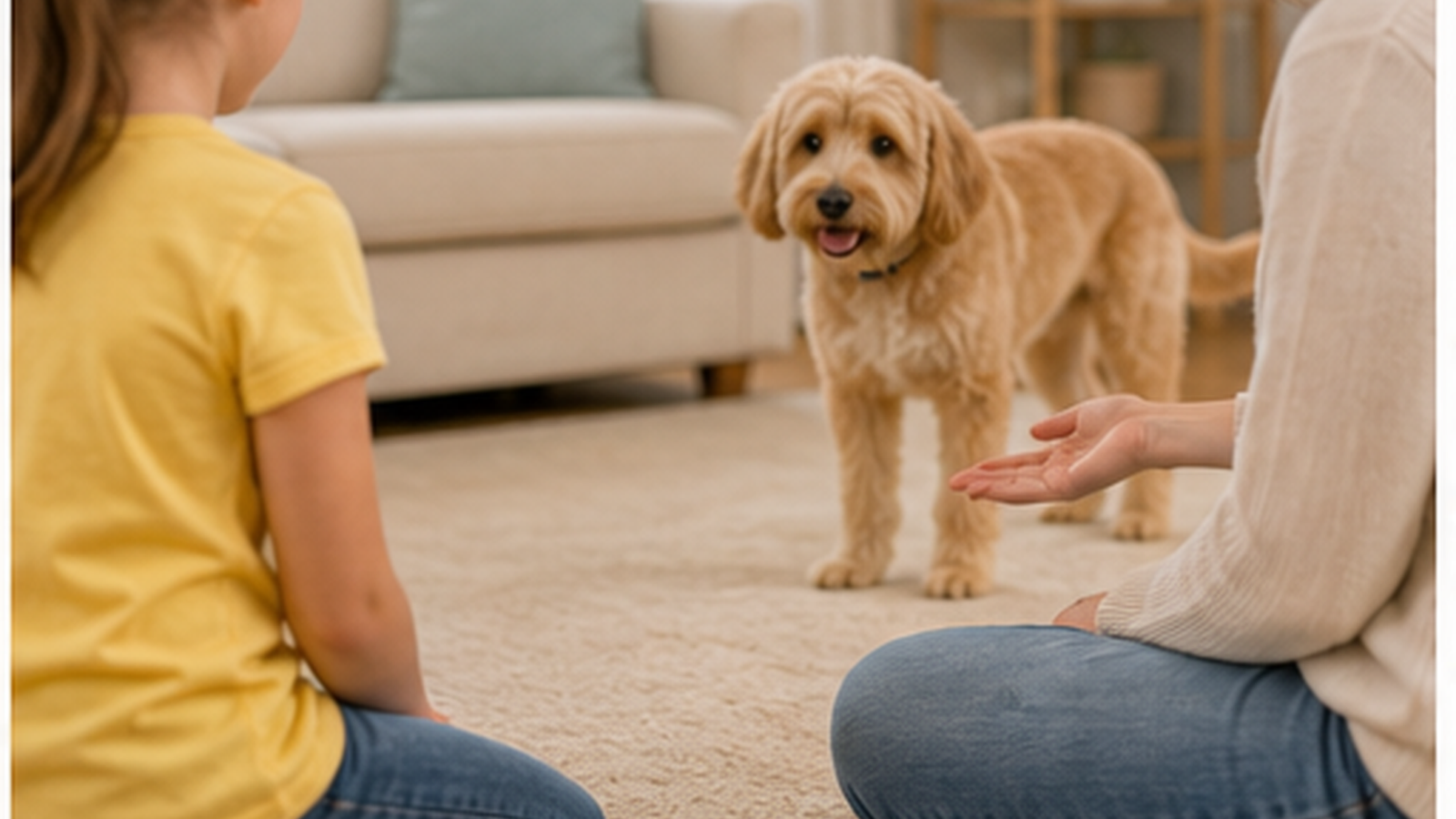
The safer rule is simple: let the dog choose contact. Invite instead of grabbing. Pet briefly, then pause. If the dog moves back in, that is information. If the dog turns away, walks off, freezes, or avoids the hand, that is information too.
Good manners are not only for the dog. Humans can have manners around dogs as well.
When Body Language Needs A Vet Check
Body language can also change when a dog feels physically uncomfortable. A dog who suddenly avoids stairs, dislikes touch, moves stiffly, hides, snaps when handled, stops playing, or seems unusually tense may not be “acting weird” for no reason.
Pain and illness can change behaviour. If the shift is sudden, repeated, escalating, or paired with limping, appetite changes, low energy, panting, guarding a body part, trouble getting up, or unusual sensitivity, it is worth asking a vet.
Behaviour is communication, but sometimes the message is coming from the body.
The CloudyAww Read
Dog body language is not a magic code. It is a habit of looking kindly before deciding. Tail, ears, eyes, mouth, posture, movement, context, and tiny pauses all work together.
The sweet version is this: your dog is already talking. Not in full sentences, obviously. More in soft eyes, stiff pauses, wiggly greetings, careful glances, dramatic snack posture, and the very serious business of deciding whether the room feels safe.
More tiny pet logic lives across CloudyAww, where the funniest animal moments usually have a small real reason hiding underneath them.
Keep following the behaviour trail with What Your Dog May Be Saying With a Paw, Why Dogs Shake Off When They Aren’t Wet, and Why Small Dogs Bark at Big Dogs. More warm, practical pet explainers live in Aww Articles.
Sources and Further Reading