
Dogs can get incredibly excited when their favourite person comes home because reunions are a big emotional moment for them. Your scent, your voice, your footsteps, and your daily routine all tell them the same wonderful thing: their safe person is back.
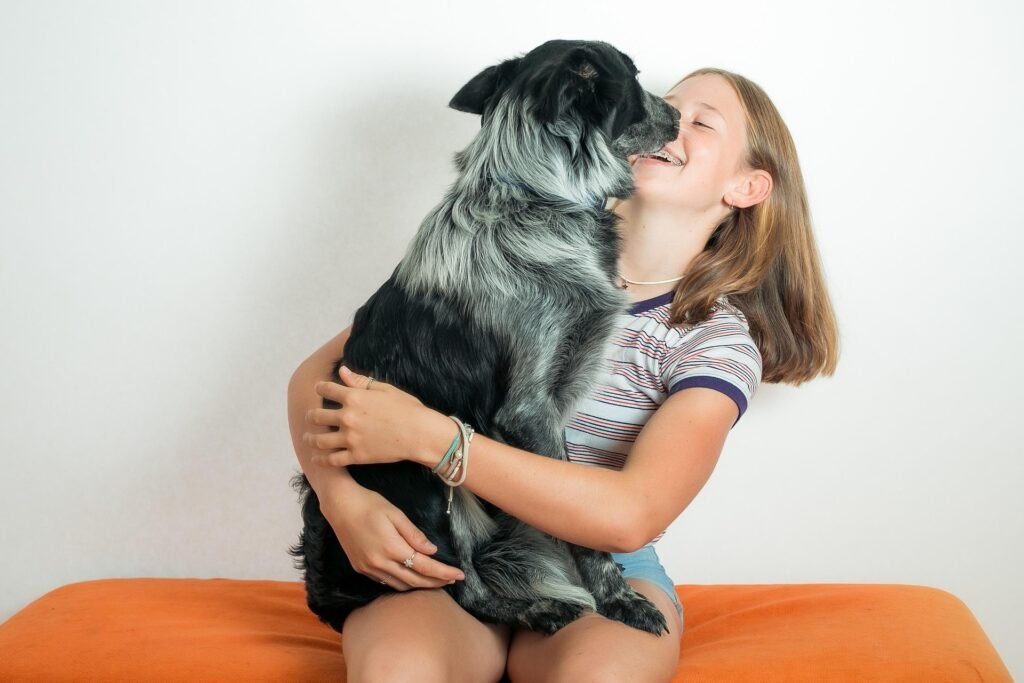
That happy spinning, tail wagging, jumping, whining, squeaking, toy-carrying, or full-body wobbling is often their way of saying: “You came back. I missed you.”
For humans, coming home might simply mean taking off shoes, checking messages, or thinking about dinner. For many dogs, it is one of the clearest emotional events of the day.
Their person disappears, the home becomes quieter, the routine changes, and then suddenly the door opens again. The world makes sense.
Dogs experience the world through scent in a way humans can barely imagine. Long before you say hello, your dog may already know you are near because your smell has entered the space.
Research using brain imaging has shown that familiar human scent can activate reward-related areas in a dog’s brain. In one study, dogs were presented with different scents, including familiar humans, unfamiliar humans, familiar dogs, unfamiliar dogs, and their own scent. The familiar human scent stood out in the dogs’ response.
That does not mean your dog is thinking about you in exactly the same way a human would. Dogs are dogs, with their own emotional world. But it does suggest that the smell of a familiar person can carry special meaning.
This helps explain why some dogs react before you even fully open the door. Your footsteps, keys, car sound, coat smell, work bag, and daily routine all become part of a pattern. Dogs are excellent pattern-readers. They do not need a calendar reminder. They learn the small signs of your return.
By the time you walk in, your dog may already be emotionally ready. The greeting is just the explosion at the end of the countdown.
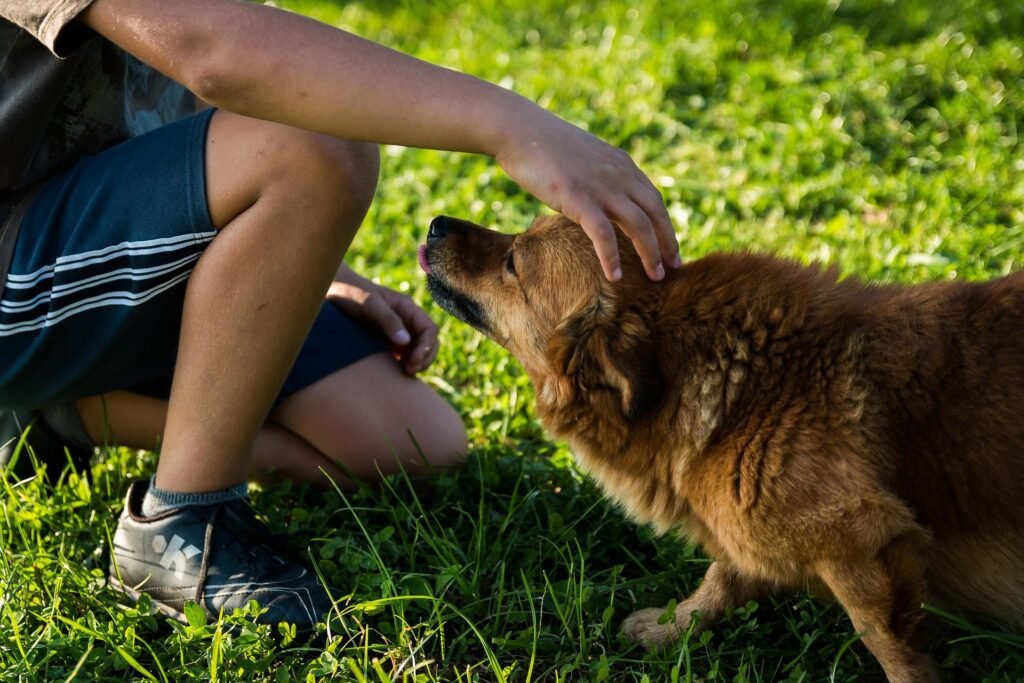
A dog’s excitement is not only about energy. It is also about attachment.
Domestic dogs have lived closely with humans for thousands of years, and many dogs treat their owners as important social figures. That does not mean every excited greeting is separation anxiety. A dog can be deeply bonded and still be emotionally healthy.
But it does mean that your return matters.
In studies of dog-owner relationships, researchers often look at what happens during separation and reunion. Those moments can reveal how strongly a dog seeks contact, comfort, or reassurance from their human.
When you come home, your dog may rush toward you because reunion behaviour helps reconnect the bond. They want to check you, smell you, touch you, hear you, and confirm that everything is back to normal.
This is why dogs often do more than simply wag their tails. Some bring toys. Some lean their whole body against you. Some bark once and then run in circles. Some jump, sneeze, or grab a sock as if they need somewhere to put all that emotion.
It looks chaotic, but underneath the chaos is a very simple message: connection restored.
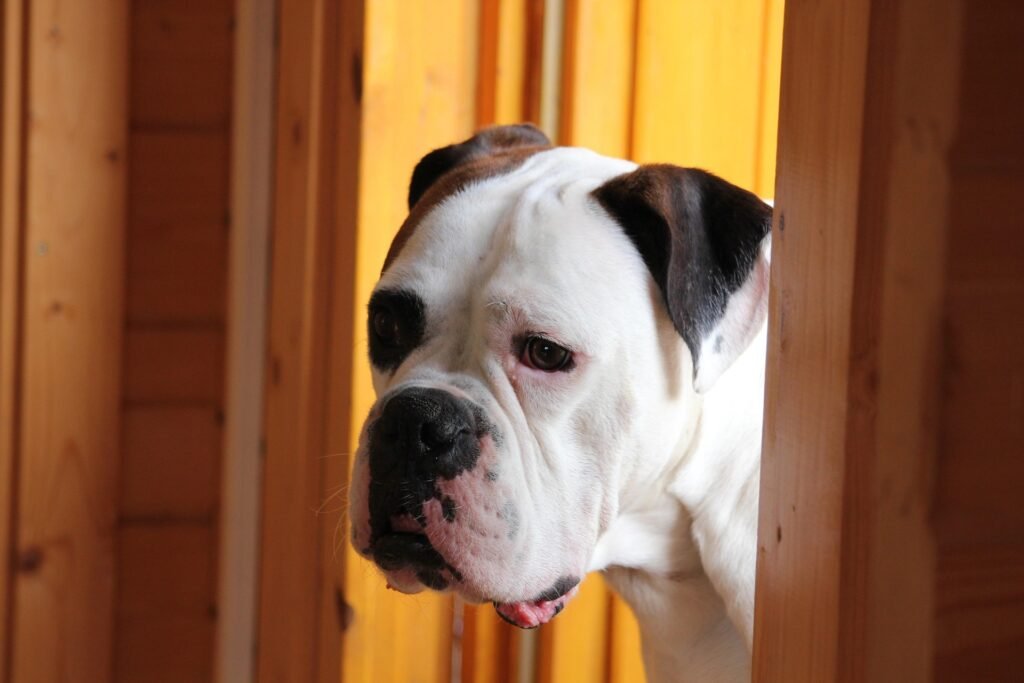
Some dogs greet calmly. Others behave as if you have returned from a five-year expedition across the moon.
There are several reasons for that difference.
Personality matters. Some dogs are naturally more expressive, vocal, or physically energetic. Breed traits can also play a role. A high-energy working breed may show excitement with movement, while a softer lapdog may show it by pressing close and refusing to leave your side.
Routine matters too. If coming home always means attention, dinner, a walk, playtime, or cuddles, your dog may learn that your arrival predicts good things. Over time, the greeting becomes linked with reward.
Your reaction matters as well. If your dog jumps and you immediately speak in a high voice, laugh, bend down, cuddle, or start playing, you may accidentally reinforce the intense greeting.
That does not mean you are doing something wrong. It only means your dog learns: “This big happy behaviour works.”
Age can also change the greeting. Puppies and young dogs often have less emotional control. Their excitement may come out as jumping, mouthing, zoomies, or even excited peeing. Older dogs may still feel the same joy, but show it more softly: a tail thump, a slow walk to the door, or a head pressed into your leg.
The important thing is not whether your dog’s greeting is dramatic. The important thing is whether it is safe, manageable, and comfortable for both of you.
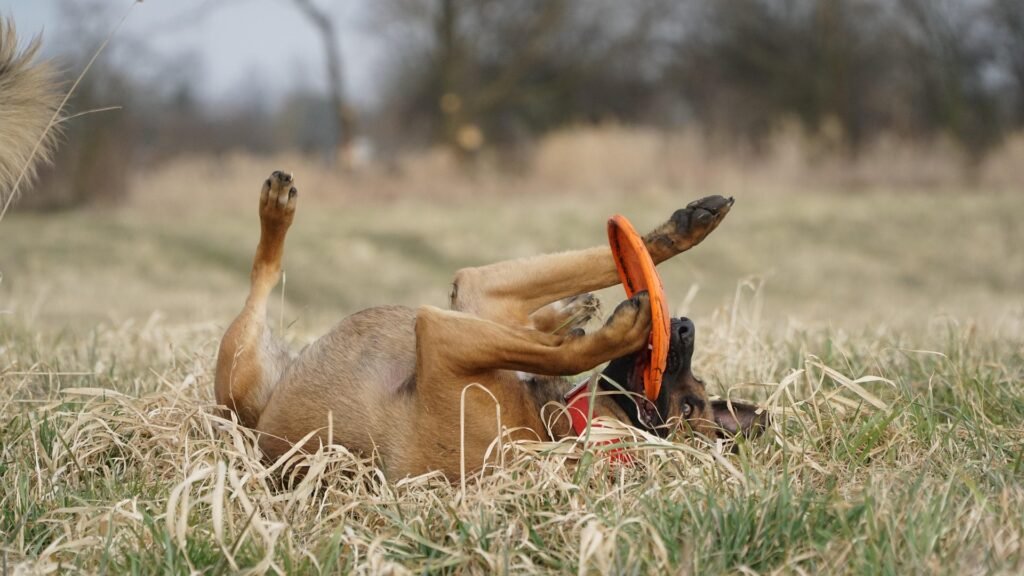
If your dog’s excitement is sweet but a little too intense, you do not have to punish the joy out of them. The goal is not to make your dog stop being happy. The goal is to help them express that happiness safely.
A calm greeting routine can help.
When you come home, try keeping your voice soft and your movements steady. If your dog jumps, avoid turning the moment into a wrestling match. Wait for a slightly calmer behaviour, such as four paws on the floor, a sit, or a pause, then give attention.
For some dogs, giving them a job helps. They may carry a toy, go to a mat, sit near the door, or wait for a release cue. This gives the excitement somewhere to go.
You can also make arrivals less explosive by keeping departures and returns fairly normal. If every exit feels dramatic and every return feels like a festival, some dogs become more emotionally charged around those moments.
A good greeting should feel like this:
“I missed you too. Let’s calm down together.”
That is the sweet spot. Your dog still gets the reunion. You still get the love. The doorway survives.
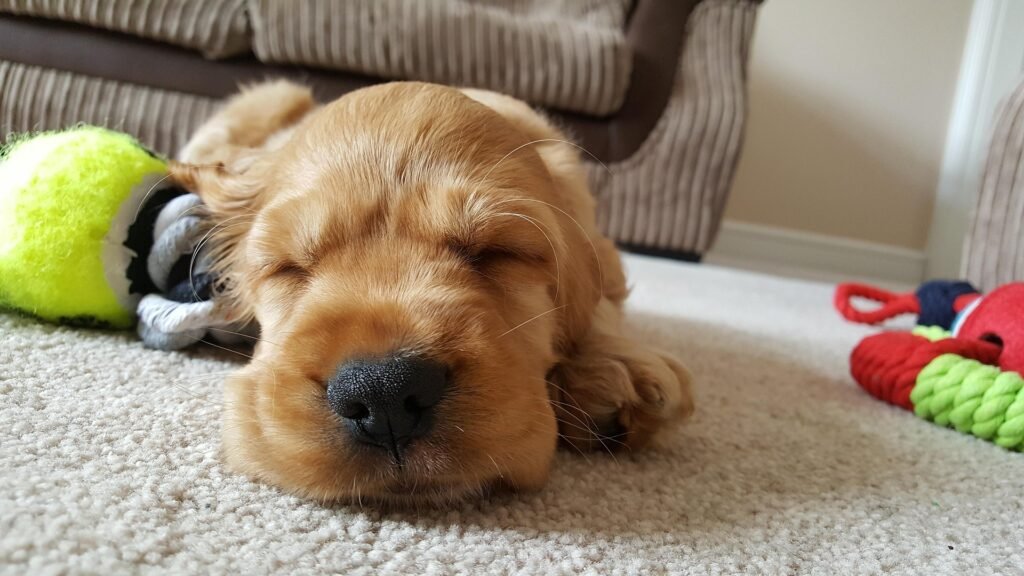
A dog getting excited when you come home is one of the clearest reminders of how deeply dogs notice us.
They remember our smell, our sound, our habits, and our place in their day. They learn the tiny details we barely think about: the sound of the keys, the rhythm of footsteps, the time the house usually changes, the feeling of us returning.
To you, it may be a normal Tuesday.
To your dog, the best part of the day just walked through the door.
And honestly, that is one of the reasons dogs are so easy to love.
Keep following the behaviour trail with Why Dogs Bring You Toys When You Come Home, What Your Dog May Be Saying With a Paw, and A Better Dog Walk Starts With Time to Sniff. More warm, practical pet explainers live in Aww Articles.

At CloudyAww, we love the small moments that make pets feel like family: the happy greetings, the confused little faces, the sleepy cuddles, and all the tiny daily signs that say “you matter to me.”
If this article made you think of your own dog, you can find more soft animal moments on the CloudyAww channel, or keep the cozy feeling going with CloudyAww Chill when you need a gentle background for your day.