

If your hamster walks away from dinner looking as though they have smuggled two tiny cushions into their face, the first thing to know is reassuring: those cheeks are meant to expand.
Hamsters do not always eat where they find food. They often collect it, pack it into flexible cheek pouches and carry it somewhere that feels private enough for sorting, eating or saving. One minute you have a normal-sized hamster. The next, you have a very determined furry pear with urgent storage business.
The useful question is not simply, “Are the cheeks huge?” It is, “What happens next?” Normal pouching has a little story: collect, carry, unload, reset. A cheek that stays enlarged, looks uncomfortable or arrives with changes in eating and behaviour needs a different response.
Built-In Snack Pockets

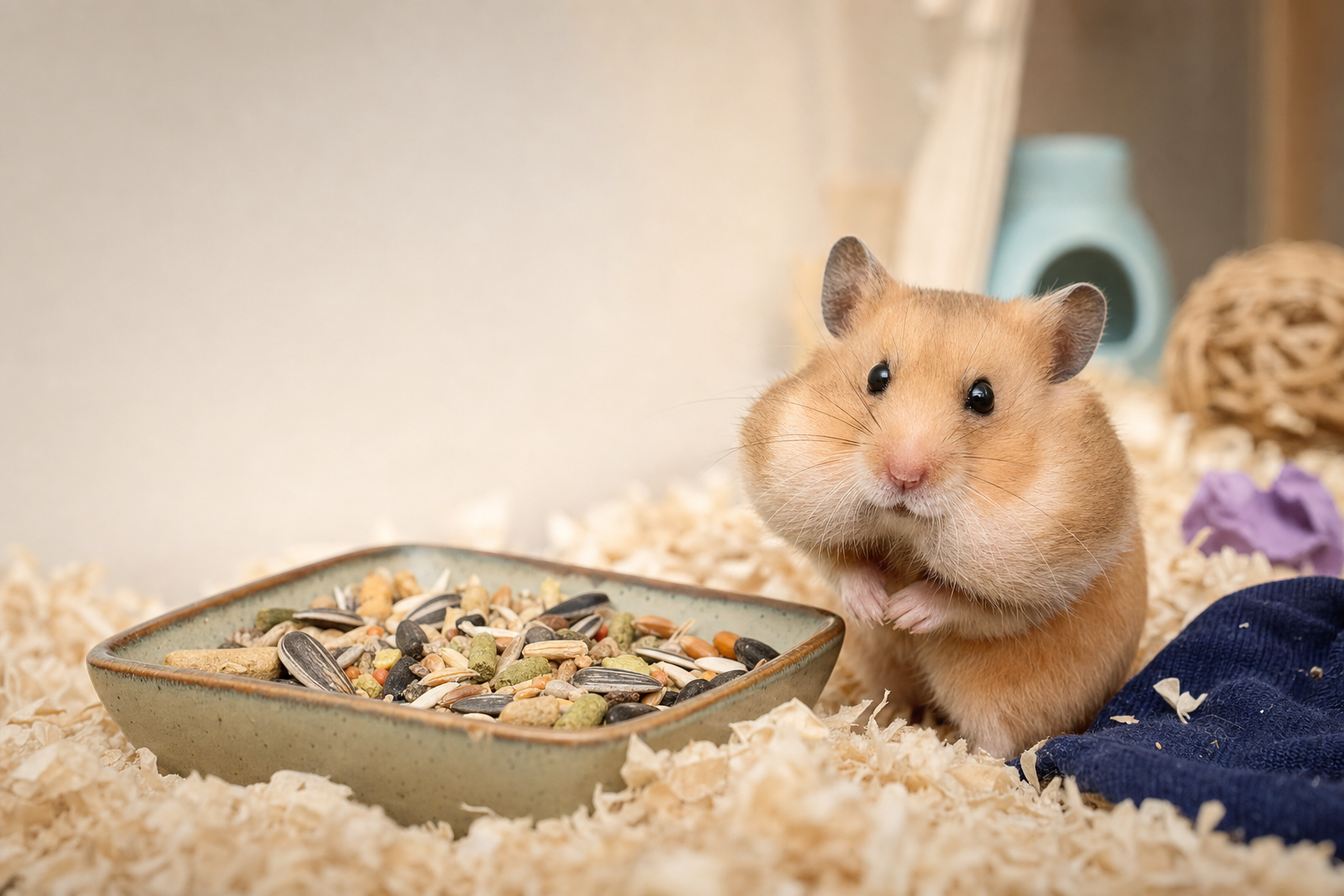
The pouches are not just loose fur around the mouth. They are expandable spaces that open inside the lips and stretch a surprisingly long way back. The MSD Veterinary Manual notes that a full pouch can extend behind the shoulder area and make the head and shoulders look more than twice as wide.
That sounds dramatic because it looks dramatic. A hamster can load both sides until the cheeks form two neat bulges, or use one side more heavily for a moment. Dry food disappears with impressive speed, but the hamster has not swallowed the entire dinner in three seconds. Much of it is cargo.
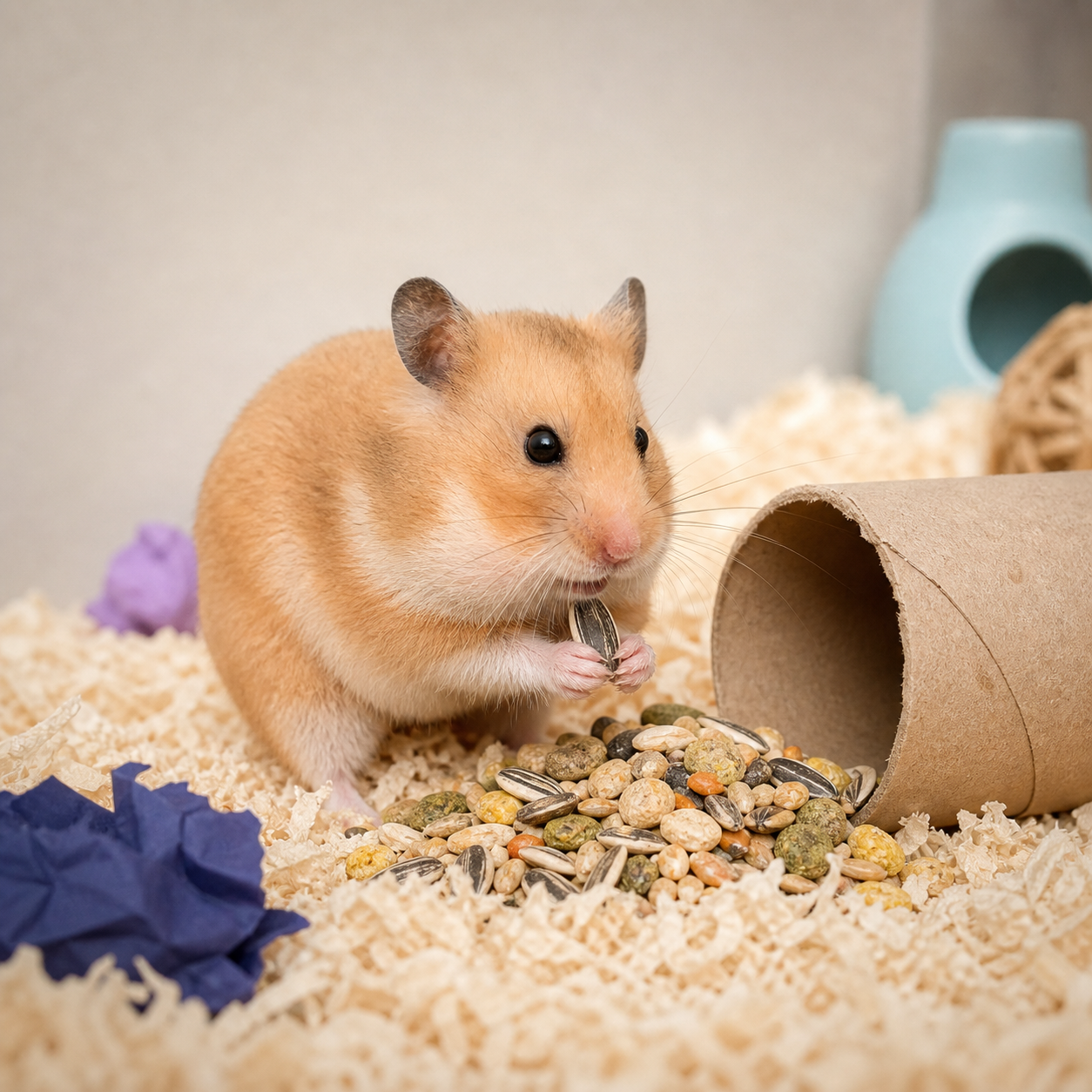
Cheek pouches help a small animal move useful things without lingering in an exposed place. Pet hamsters may use them for food and sometimes for light nesting material. It is a tiny built-in tote bag, except the tote bag has whiskers and strong opinions about floor plans.
Stash Now, Sort Later

The RSPCA explains that hamsters may carry food to a nest or hiding area, then eat it there or save it for later. This is why the route matters. Watch where your hamster goes after the cheeks fill.
You may see a quick gathering session near a dish, a purposeful trip across the enclosure and a pause inside a tunnel or hide. Later, the hamster may emerge with a slimmer face. That complete sequence is much more informative than one freeze-frame of extraordinary cheeks.
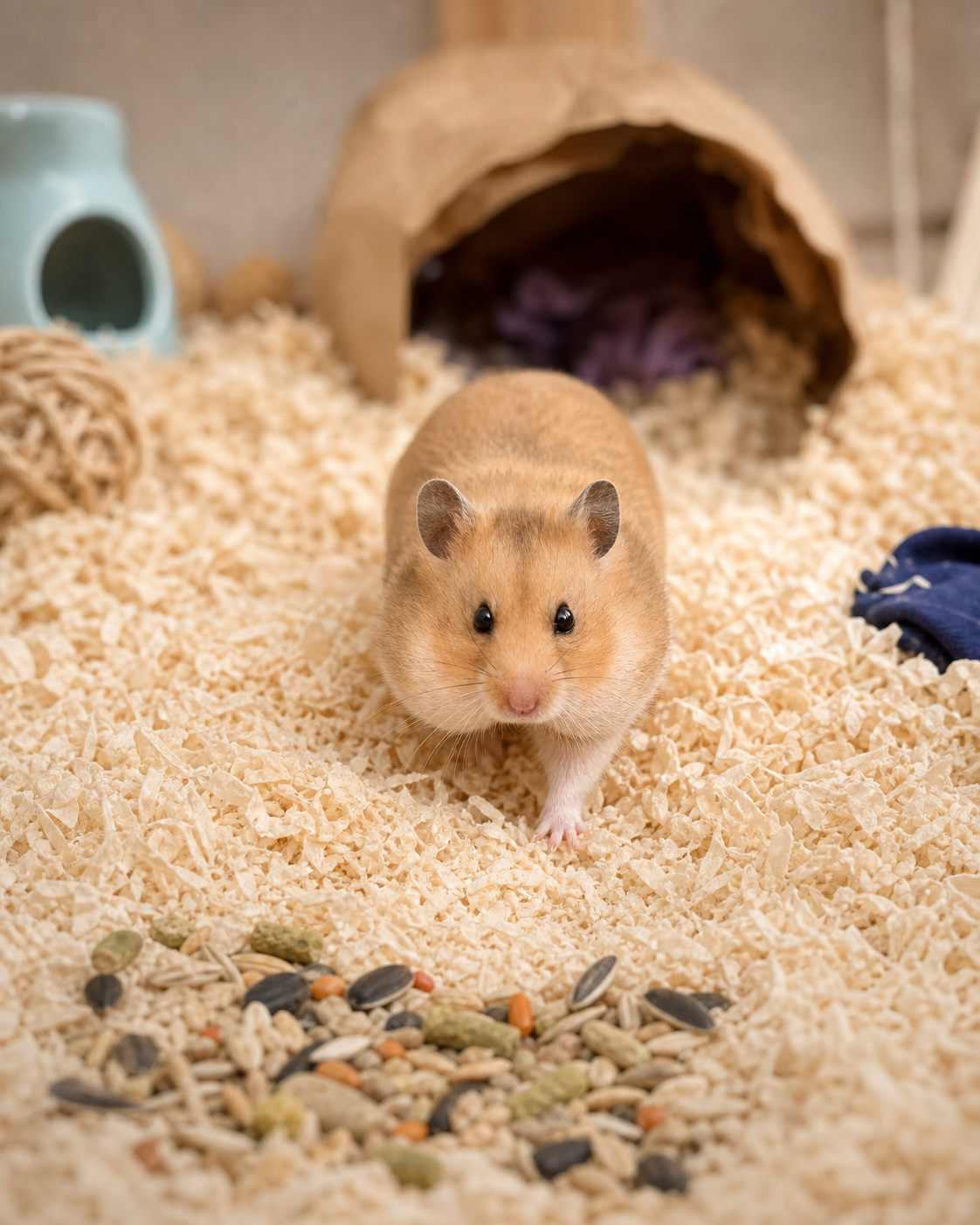
Hoarding is normal hamster behaviour. It can also make humans feel as though the food has vanished into another dimension. Check hidden stores for damp or spoiled fresh food, but do not erase every dry-food stash just because it looks untidy. Blue Cross advises that removing an entire larder can be stressful; when a full clean-out is necessary, a small amount of clean familiar food can help the rebuilt store feel less abruptly empty.
Read the Whole Hamster

Start with three beats: pouch, stash, reset.
Pouch: Did the cheek fill while the hamster was actively collecting food or nesting material?
Stash: Did the hamster travel to a normal hiding or storage place?
Reset: Did the cheek become smaller again after the hamster had time and privacy to unload it?
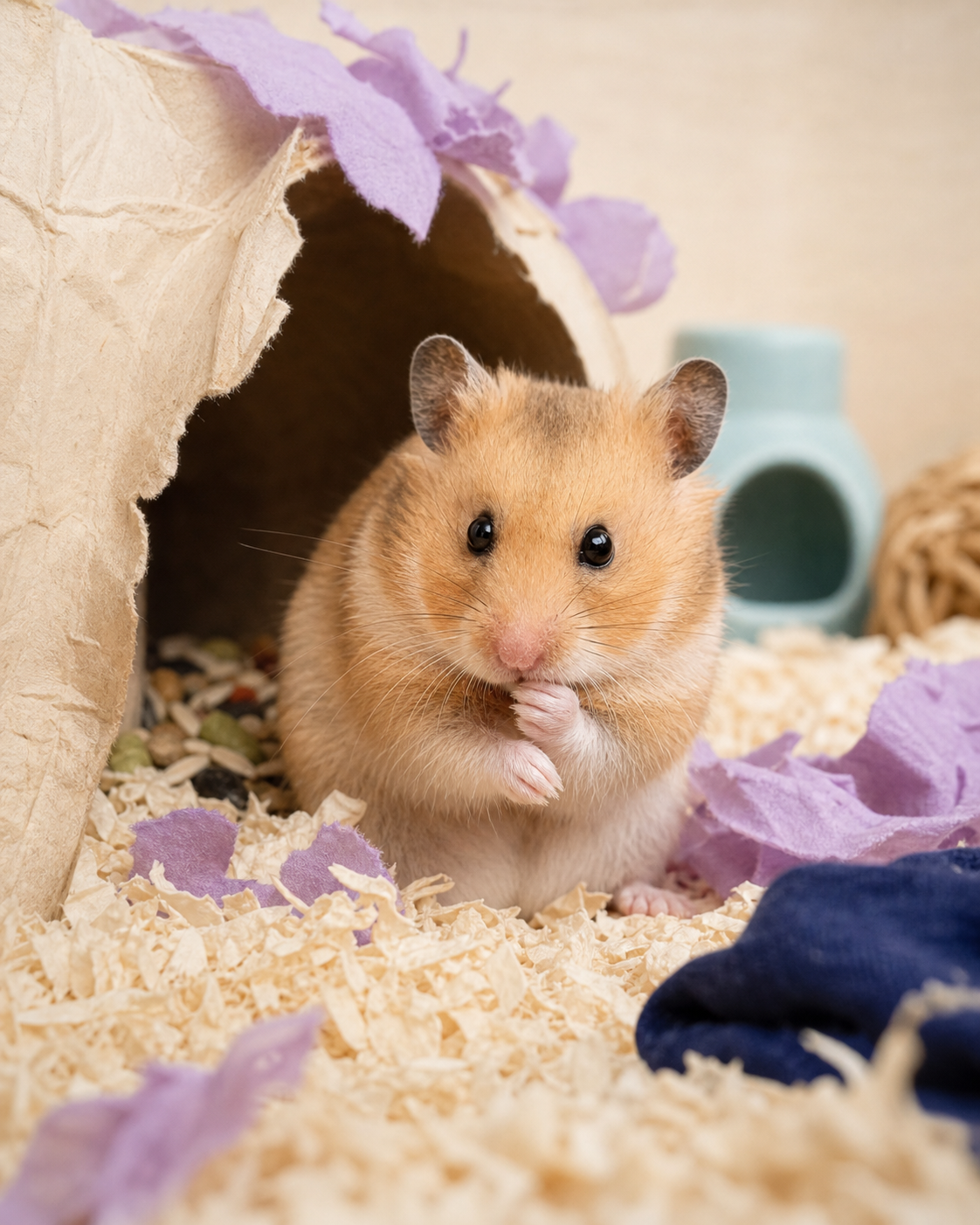
Then read the rest of the animal. A hamster doing ordinary storage work is usually alert, coordinated and interested in the environment. They continue eating, drinking, grooming, exploring and producing normal droppings. The face may look spectacularly wide, but the hamster does not look trapped by it.
One uneven trip is not automatically an emergency. The stronger clue is persistence. If one side remains enlarged after the usual stash routine, or the hamster keeps returning to normal activities without the cheek resetting, move from “funny hamster moment” to “worth a closer check.”
Safe Bites, Safe Trips

A balanced hamster diet should do the nutritional heavy lifting. Follow the instructions for a suitable complete food, introduce changes gradually and keep clean water available. Scatter-feeding part of the dry ration can add natural foraging without turning the enclosure into a bottomless snack buffet.
Fresh foods need smaller portions and faster housekeeping because a hamster may carry them into a hidden store. Damp food can spoil where you cannot immediately see it. Remove old fresh food promptly and keep an eye on warm, humid hiding places.
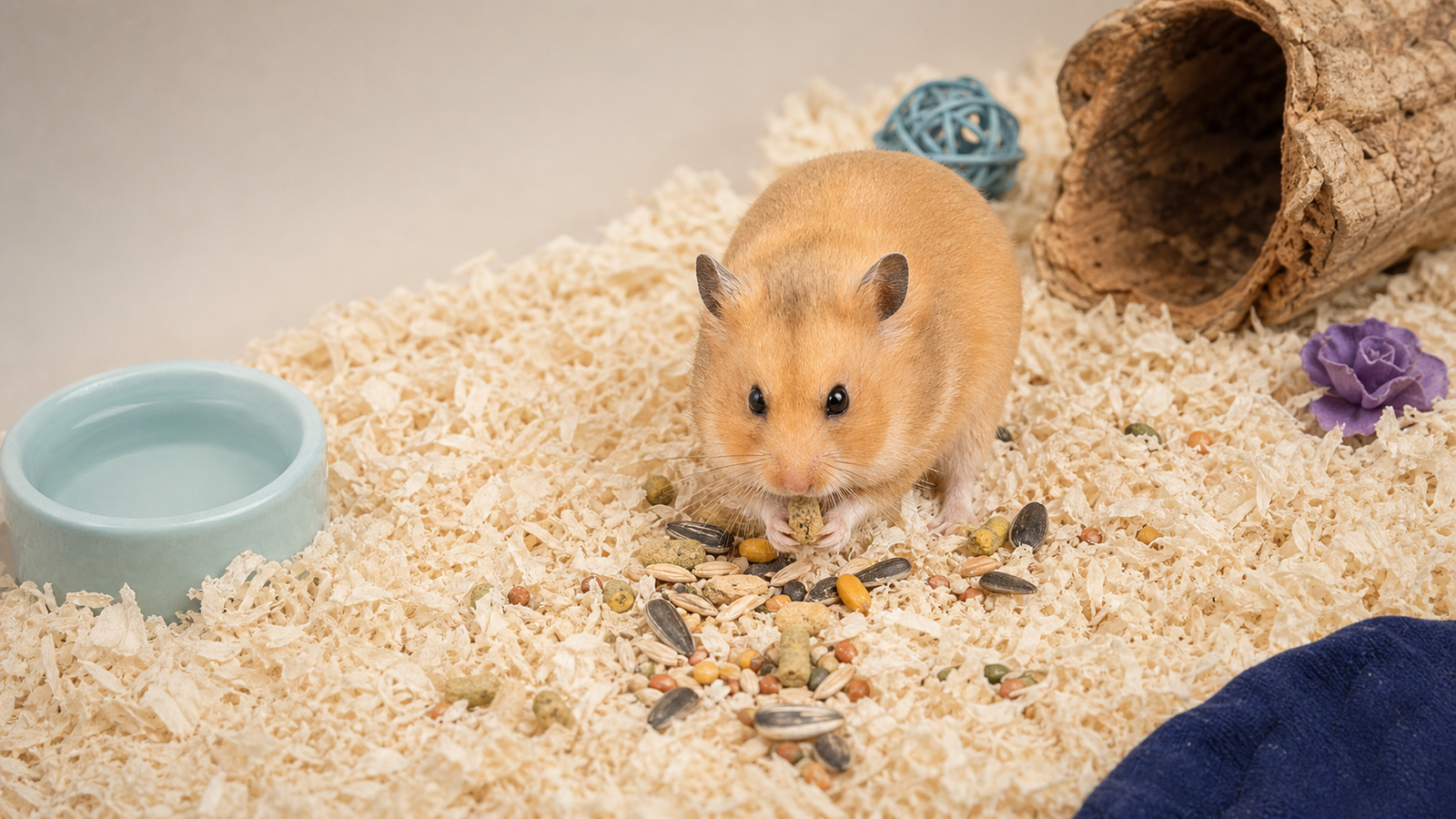
Avoid offering sharp fragments or foods that become gluey inside the mouth. Blue Cross notes that sharp pieces can pierce cheek-pouch tissue and that lodged food can sometimes cause an impacted pouch. If your hamster has dental trouble or needs softened food, ask your vet what texture and clean-up routine are appropriate rather than improvising sticky mixtures.
The aim is not to stop pouching. It is to make the natural journey safer: suitable food, manageable pieces, clean storage areas and enough quiet cover for the hamster to unload without being disturbed.
Hands Off the Pouches

A packed cheek can look as though it needs human assistance. Resist the urge to squeeze it, massage it or pull visible material from the mouth.
Cheek-pouch tissue is delicate, and a struggling hamster can be injured by well-meant handling. Something that looks like a loose seed may be lodged farther back, attached to sticky material or sitting beside irritated tissue. Home extraction can turn uncertainty into damage.
Give the hamster privacy and time to complete the normal unload. If the cheek does not reduce, or the hamster looks uncomfortable, contact a vet who treats hamsters or other small mammals. A clear photo or short video of the cheek before and after the usual stash trip can be useful evidence without forcing extra handling.
When One Cheek Stays Full

A cheek that seems permanently stuffed can be an impacted pouch. Swelling can also have other causes, including injury, infection or a dental problem. The face alone cannot tell you which one it is.
Ask for veterinary advice if a cheek stays enlarged after the hamster would normally unload it, especially if you also notice drooling, a wet chin, a bad smell, discharge, pawing at the mouth, reduced appetite, difficulty eating, lower energy or a clear change in behaviour. The MSD Veterinary Manual’s hamster health guidance also notes that swelling around the neck can accompany a cheek-pouch infection.
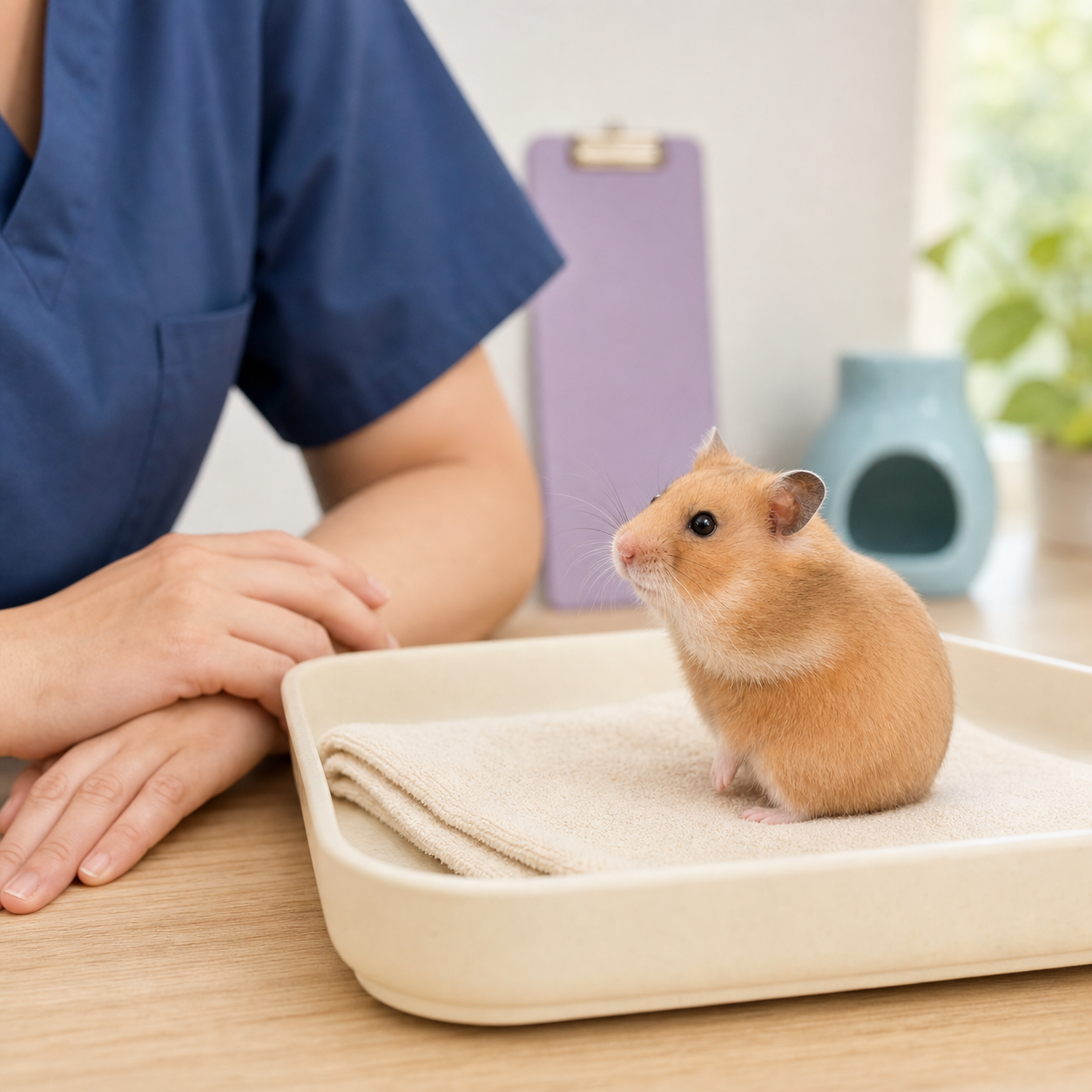
Hamsters are small and can lose condition quickly when they are unwell. “Wait and see” should not become several days of watching a persistent change. A vet can examine the mouth and pouch safely, check the teeth and decide what treatment is actually needed.
The Tiny Cheek Check

You do not need a nightly inspection routine involving torches, spreadsheets and a hamster who has filed a complaint. A calm observation while your pet is naturally awake is enough.
Notice what the face looks like before food. Watch one ordinary collection trip. Check whether the cheeks reduce after time in the hide. Glance at the food store for spoiled fresh items, and keep track of appetite, water, droppings, grooming and activity.
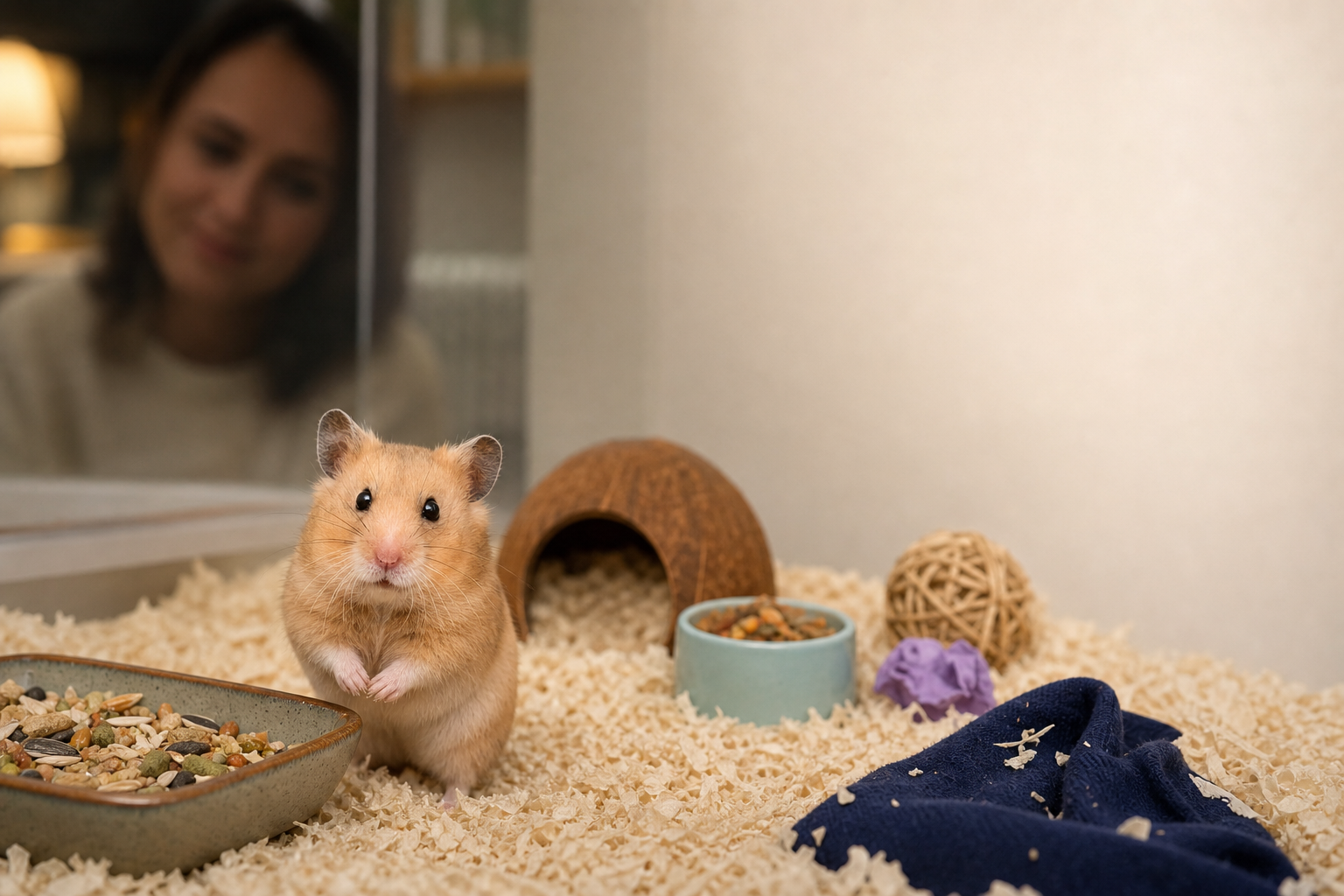
If something changes, write down when you first noticed it and whether the fullness comes and goes. Take a photo from the same gentle angle if the hamster will stay relaxed. Patterns are easier for a vet to assess than “the cheek looked weird at some point yesterday.”
Most of the time, the reset happens and the mystery resolves itself: the impossible cheeks were simply a delivery vehicle.
Tiny Pocket, Big Job

Hamster cheek pouches are one of those animal features that look like a cartoon and work like serious equipment. They let a small forager collect useful food, move it quickly and build a private store.
Enjoy the absurd silhouette. Protect the normal hoard. Let the hamster unload without help. Then pay attention when the routine stops behaving like a routine—especially if one cheek stays full or the hamster’s eating, comfort or energy changes.
That is the CloudyAww read: huge cheeks can be ordinary. A cheek that does not reset deserves a professional look.
For more small-pet moments with a real explanation hiding underneath, read what guinea-pig popcorn jumps may mean, why rabbits chew everything, or why birds copy household sounds. The full cosy library lives in Aww Articles.
Sources and Further Reading
- MSD Veterinary Manual: Hamsters
- RSPCA: What to feed a pet hamster
- Blue Cross: Hamster care
- MSD Veterinary Manual: Disorders and diseases of hamsters
- VCA Animal Hospitals: Owning a pet hamster