

Pets do not always choose the place we designed for them. They choose the place that feels safe, warm, familiar, interesting, or perfectly theirs.
There is a particular kind of pet logic that no human furniture designer has ever managed to defeat.
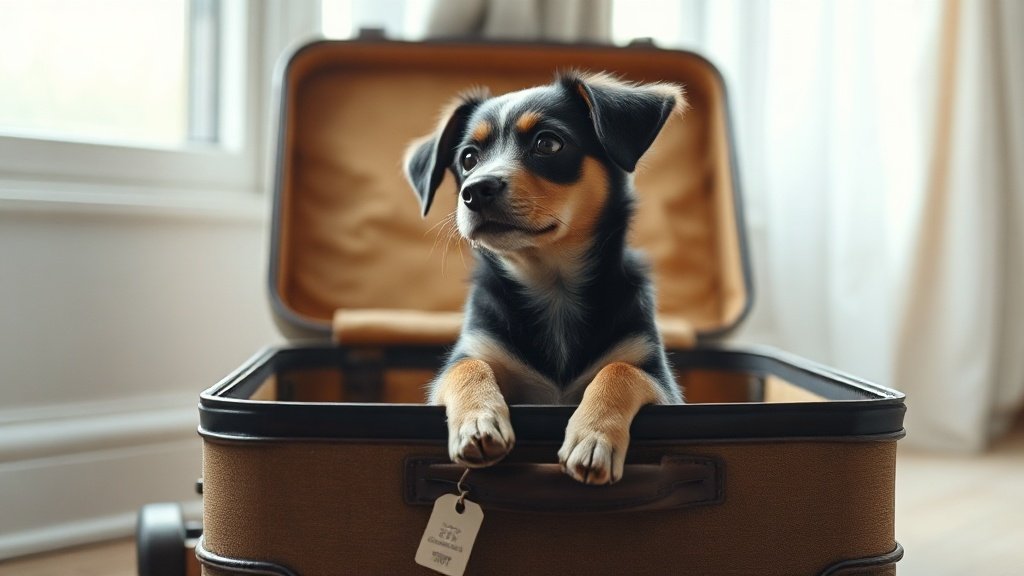
You can buy the soft bed. You can fluff the blanket. You can place it in the warmest, calmest, most thoughtfully chosen corner of the room. Then your dog climbs into a suitcase. Your cat folds itself into a cardboard box half its size. Somebody’s tail is sticking out of a laundry basket, and everyone involved looks deeply satisfied with the decision.
From the outside, it looks absurd. From the pet’s point of view, it may make perfect sense.
The quick answer: strange does not always mean random
Pets often choose strange places because those spots offer something useful: safety, warmth, scent, texture, privacy, visibility, or closeness to their people. A place that looks uncomfortable to us may feel sheltered, familiar, or perfectly positioned to an animal.
For cats, small enclosed spaces can be especially appealing. Boxes, bags, sinks, drawers, and laundry baskets may offer a sense of cover and control. Britannica explains that cats often seek boxes because confined spaces can make them feel protected, sheltered, warm, able to observe without being easily seen, and sometimes less stressed.
Dogs can be a little different. A dog may choose a strange resting spot because it smells like their person, gives them a good view of the room, feels cooler or warmer, or has become part of a routine. In other words, your dog may not be “broken.” He may simply have chosen the household’s most strategic biscuit-adjacent observation post.
Watch the tiny
CloudyAww moment
Here is the little suitcase decision
that started today’s question:
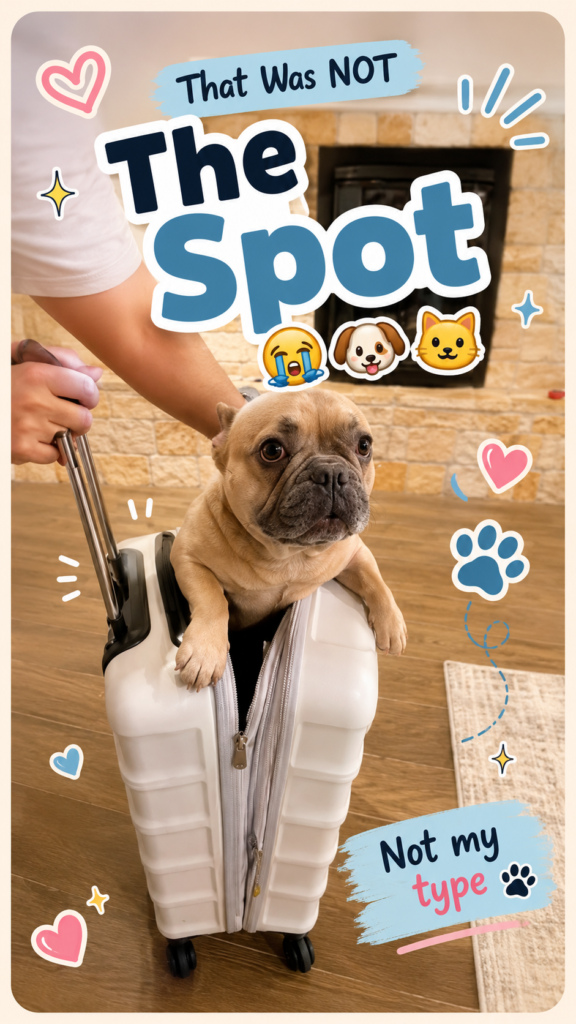
In this CloudyAww Short, the pets do what pets do best: ignore every reasonable option and select the one place that makes everyone ask, “Why there?” A suitcase. A tiny bed. A suspiciously specific corner of the universe. The comedy works because most pet owners have seen some version of it in their own home.
Small spaces feel safer than they look
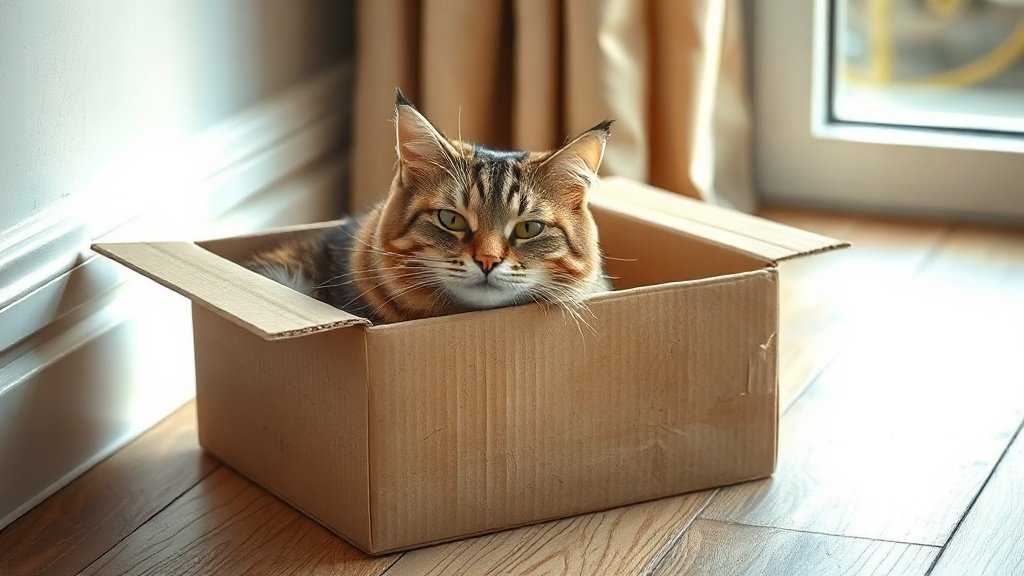
A cardboard box does not look impressive to us. To a cat, it can work almost like a little control room.
Cats are both predators and cautious animals. That combination matters. A small enclosed space lets a cat hide, watch, rest, and decide when to engage. The box is not just “cute.” It can be a shield, a lookout post, a nap pod, and a tiny cardboard theatre for ambush attacks on passing ankles.
There is also research behind the calming power of hiding spaces. A 2014 study in Applied Animal Behaviour Sciencelooked at shelter cats with and without hiding boxes and found that hiding boxes decreased stress at least in the short term. That does not mean every house cat in a cereal box is having a psychological breakthrough, but it does support the broader idea: being able to retreat into a sheltered space can help cats cope.
Warmth is part of the mystery
Some weird pet spots are not about drama. They are about physics.
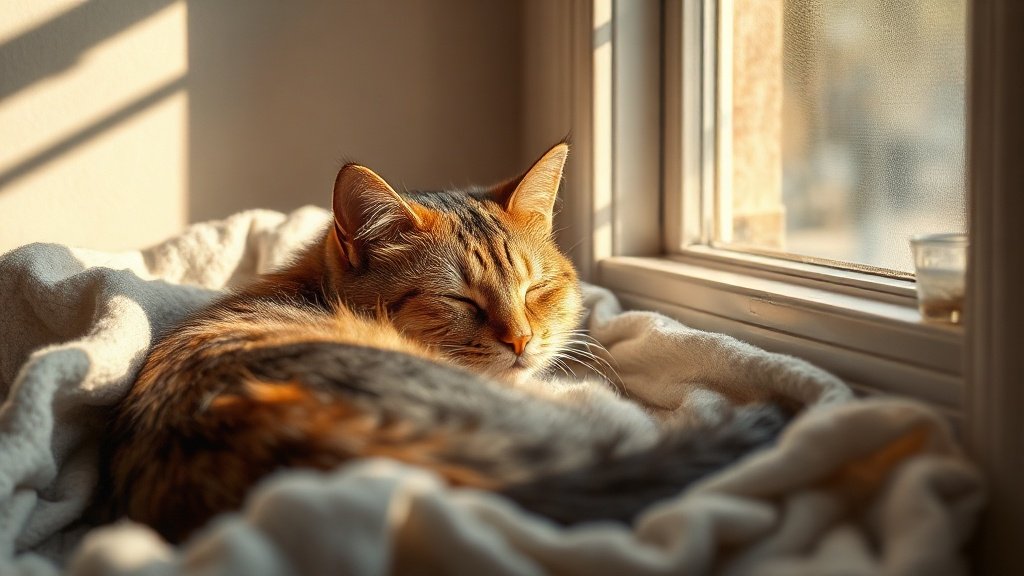
Cardboard holds warmth. A sink may be cool in summer. A laundry pile smells familiar and keeps body heat. A suitcase might carry the scent of a person who has been away. A laptop keyboard, inconveniently, is warm and located exactly where the human is trying to work.
For cats especially, warmth can be a strong attraction. Britannica notes that boxes can help retain body heat and that snug enclosed spaces can create a warmer, cozier environment.
So when a cat chooses a box over a bed, the cat may not be rejecting luxury. It may be choosing insulation, edges, scent, and privacy. Apparently, cardboard has better marketing than we thought.
Dogs choose strange places too, but not always for the same reason
Dogs are not usually as box-obsessed as cats, but they still make deeply questionable seating decisions.
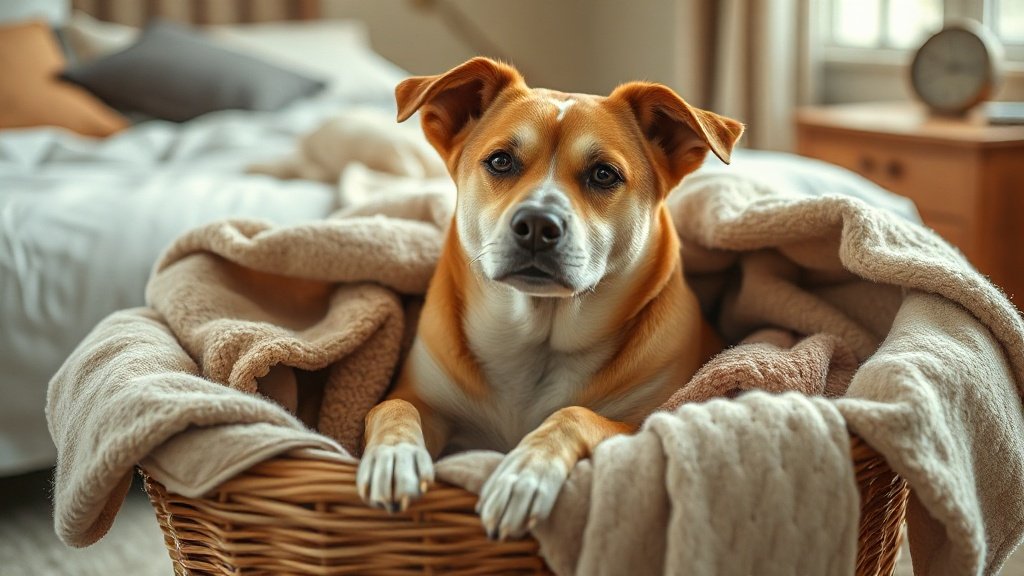
A dog might squeeze into a tiny bed because it smells like another pet, because the raised edges feel comforting, or because nobody has informed him that he is no longer puppy-sized. A dog may rest near a doorway because it gives him a view of who enters. He may choose the kitchen because food-related miracles happen there. He may curl up on clean laundry because it smells like his people and because, from his perspective, it was clearly placed there as a luxury dog mattress.
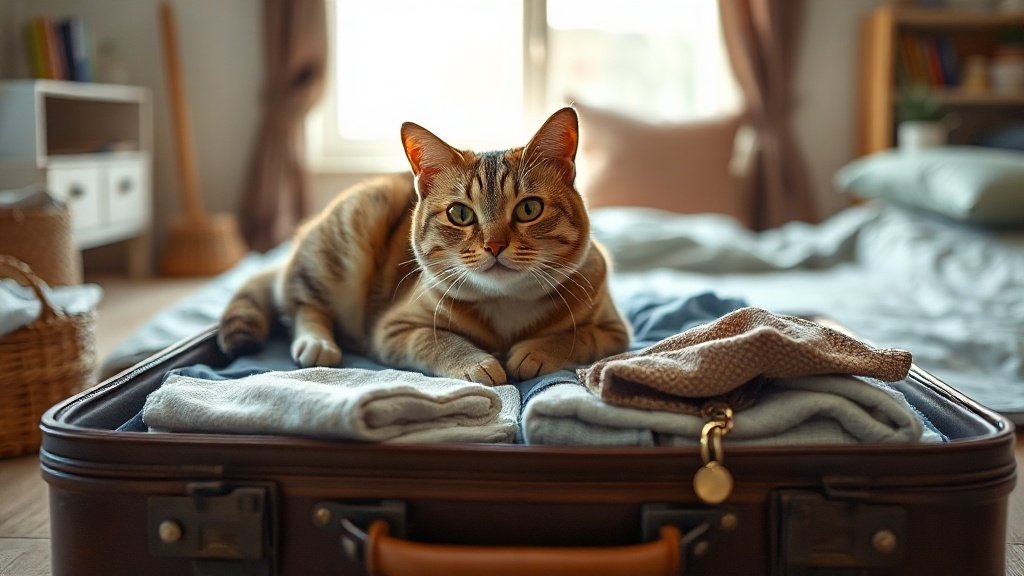
The safest way to write about dogs is not to pretend there is one universal explanation. Dogs may choose resting spots because of temperature, smell, routine, visibility, proximity to people, or plain comfort. That is why the suitcase in the CloudyAww video is funny but not meaningless. To us, it is luggage. To a dog, it may be a soft, enclosed, person-scented platform with excellent emotional architecture.
Scent can make the “wrong” place feel right
Humans look at a suitcase and see travel. A dog might smell their person. A cat might smell a new object that entered their territory and decide it needs immediate inspection, occupation, and possibly legal ownership.
Scent is a major part of how pets understand the home. Blankets, shoes, bags, laundry, and luggage all carry information. That makes them interesting, reassuring, or worth claiming. A dog lying on your hoodie may simply be choosing the place that smells most like you. A cat sitting inside your suitcase may be investigating a new object, enjoying the enclosed shape, or gently informing you that your trip has been cancelled by feline management.
This is why the “wrong spot” is often only wrong to us. To the animal, the spot may be warm, scented, enclosed, elevated, hidden, or socially important.
When weird sleeping spots are normal, and when to pay attention
Most of the time, a pet choosing a strange place is harmless. It can be comfort-seeking, playful, curious, or simply part of that animal’s personality.
But sudden changes are worth noticing. VCA Animal Hospitals notes that cats often hide signs of illness or pain, and owners should pay attention to changes in sociability, energy, appetite, litter box use, grooming, posture, and overall behaviour.
That does not mean every cat in a box is a medical mystery. Pattern matters. A cat who has always loved boxes is probably just being a cat. A cat who suddenly hides all day, stops eating, avoids contact, or seems painful is telling you something else.
The same general principle applies to dogs. Weird favourite spots can be normal. A sudden, dramatic change in where they hide, sleep, or avoid people deserves more attention.
The real answer: pet logic is practical, not random
The funny thing about pets choosing strange places is that the behaviour sits right between comedy and sense.
A dog in a suitcase is ridiculous. A cat in a box is classic. A pet sleeping on the one tiny square of paper in an otherwise empty room feels like performance art.
But underneath the joke, there is usually a reason: shelter, warmth, scent, texture, visibility, curiosity, habit, or comfort. Pets do not always choose the place we designed for them. They choose the place that works according to their own little map of the world.
And sometimes, apparently, the map says: suitcase.
A tiny CloudyAww note
CloudyAww is built around these tiny animal decisions: the dramatic ones, the cozy ones, and the ones that make absolutely no sense until you look a little closer.
If your pet has a strange favourite spot, they may not be ignoring comfort. They may simply have found their own version of perfect.
Even if that version is halfway inside a box that was meant for recycling.
For more tiny animal moments, visit the Daily Awws page, or watch the latest CloudyAww Shorts for daily pet chaos, soft comedy, and very serious decisions made by very small creatures.
Keep following the behaviour trail with What It Means When Pets Block Doors, Laptops and Your Favourite Seat, What It Means When Cats Choose the Worst Shortcut, and Why Cats Knock Things Off Tables. More warm, practical pet explainers live in Aww Articles.