

Pets do not always ask for attention politely.
Sometimes they stare. Sometimes they bark. Sometimes they meow like they have filed an official complaint. Sometimes they climb onto your laptop, put a paw on your arm, follow you from room to room, or sit there looking deeply betrayed because you dared to exist without focusing on them for twelve seconds.
And honestly? That is part of why we love them.
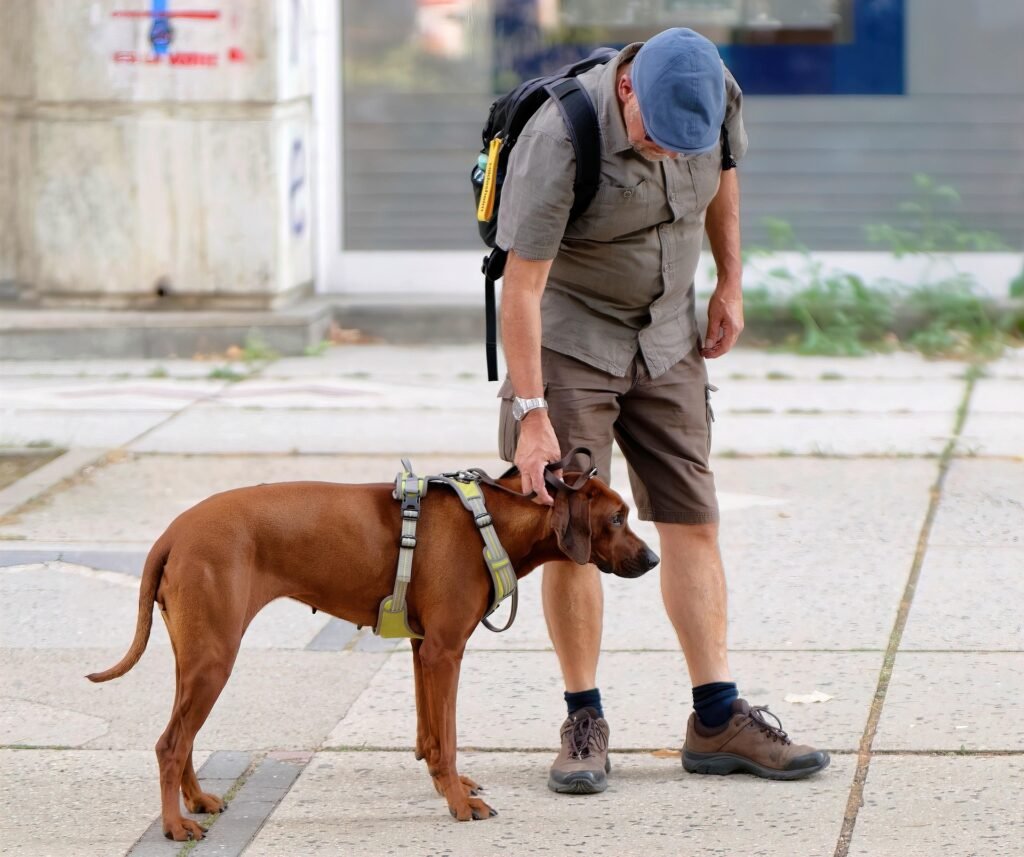
A pet asking for attention is not always being “naughty.” In many cases, they are communicating. Dogs and cats use body language, sounds, movement, eye contact, and repeated little behaviours to tell us that they want something from us. That “something” might be play, food, comfort, company, reassurance, or simply the joy of being noticed.
Dogs especially are highly social animals. They often learn that certain behaviours get a human reaction, such as barking, pawing, whining, jumping, nudging, or bringing a toy. If the human looks, laughs, talks, moves, or gives affection, the dog may learn: “Excellent. This button works.” 🐶✨ The American Kennel Club describes attention-seeking behaviour as anything a dog does to get a person to notice them, including barking, whining, jumping, pawing, or mouthing.
Watch the tiny
attention report here:
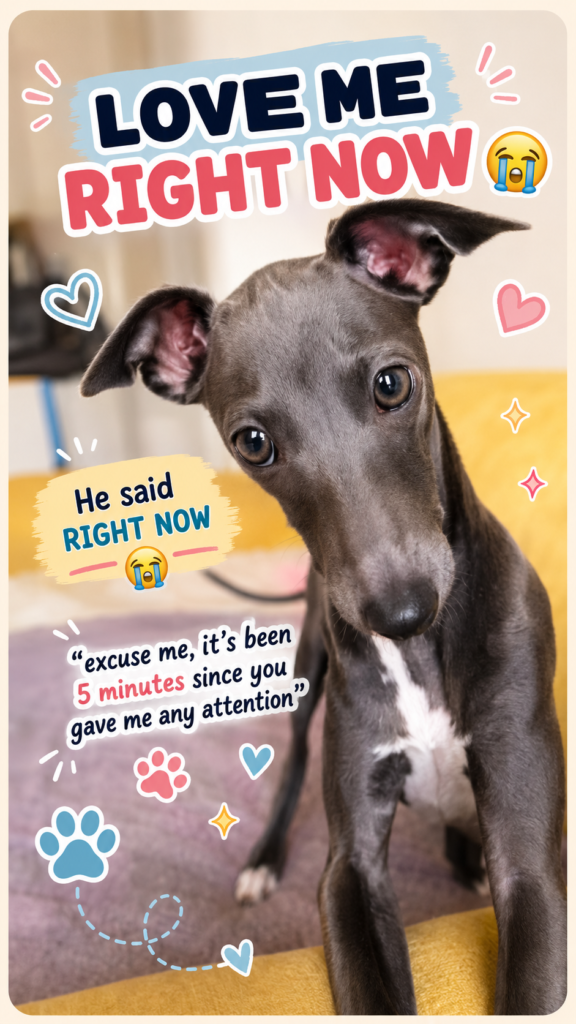
Why Dogs Ask for Attention
Dogs are social little chaos satellites.
They often want contact, routine, interaction, and feedback from their favourite people. A dog might ask for attention by staring, pawing, barking, whining, leaning on you, bringing a toy, sitting too close, or performing a tiny emotional theatre show beside your chair.
Sometimes the reason is simple: they are bored, excited, under-stimulated, or hoping for play. Purina notes that dogs may demand attention when they are bored, frustrated, lacking exercise, lacking mental stimulation, or not getting enough social contact.
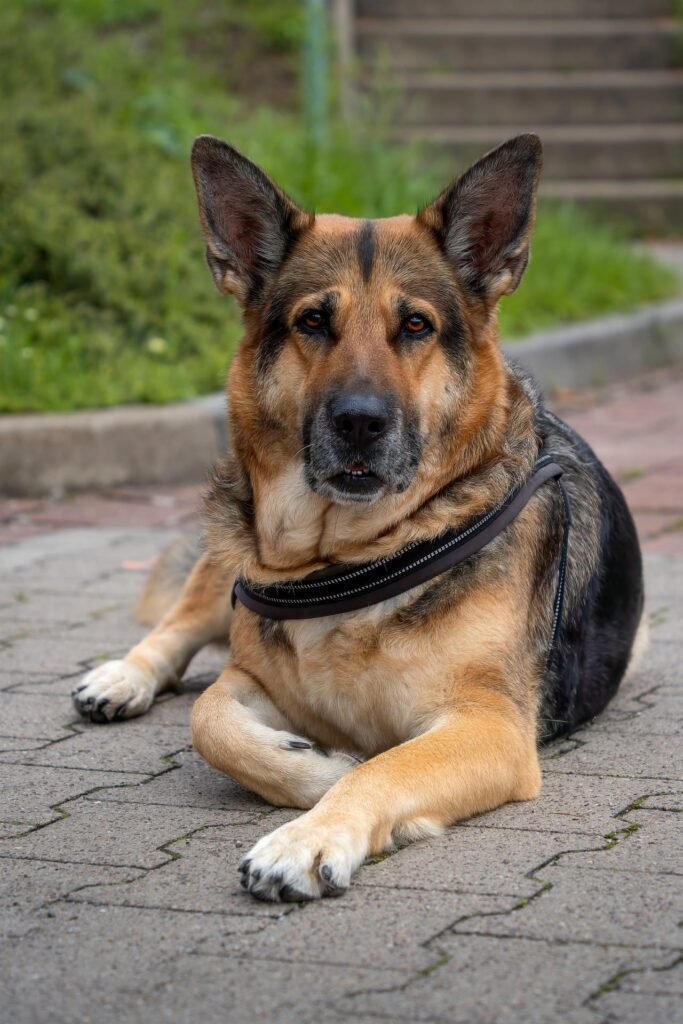
This is why the moment can look so dramatic. The dog is not thinking, “I shall become viral content today.” They are thinking something closer to:
“Hello. I am here. You are there. This situation needs correction.”
Dogs are very good at learning what gets a response. If barking makes you look up, barking becomes useful. If pawing makes you laugh, pawing becomes useful. If stealing a sock makes everyone suddenly very interested, congratulations, the sock has become a communication device.
Veterinary behaviour experts often describe attention-seeking behaviours as learned patterns because humans can accidentally reward them by reacting, even when the reaction is negative. Tufts University explains that barking, pawing, stealing, and similar behaviours can be reinforced when they successfully get a person’s attention.
🐾 ✨ 🥰
Why Cats Demand Attention Too
Cats do it differently, but they absolutely do it.
A cat might meow, chirp, stare, walk across your keyboard, knock something off a table, follow you into the bathroom, sit on your chest, or hover near you with the haunted seriousness of a tiny unpaid supervisor.
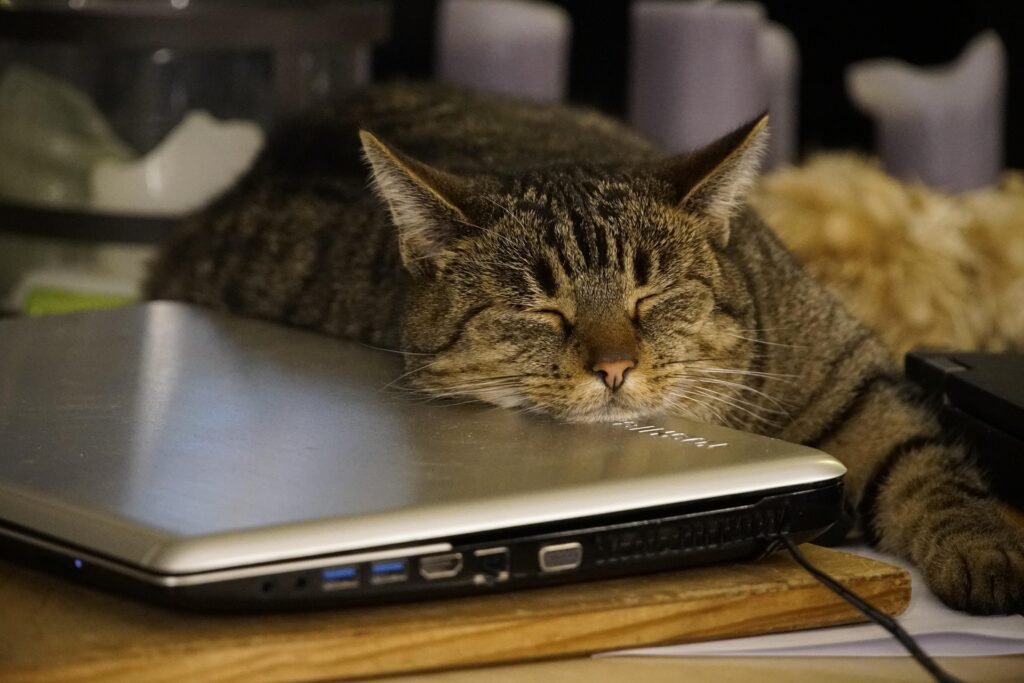
Cats meow for many reasons, including greeting people, asking for things, and letting us know something is wrong. The ASPCA explains that adult cats mainly meow at humans rather than other cats, probably because meowing gets people to do what they want.
That is what makes cat attention-seeking so funny. It often feels deliberate because, in a way, it is communication. A cat learns that certain sounds, movements, and dramatic little interruptions get a reaction from the human.
The Anti-Cruelty Society notes that some unwanted cat behaviours can be attempts to get attention, and that cats can learn which behaviours do or do not work.
So when your cat plants themselves between you and your screen, they may not be ruining your productivity. They may simply be opening a meeting.
Agenda item one: “Me.”
Attention Is Not Always Bad
A pet wanting attention is not automatically a problem.
Sometimes it is sweet. Sometimes it is funny. Sometimes it is a sign that your pet feels safe enough to ask for connection. Dogs and cats are not decorations in the house. They are living little emotional creatures with needs, preferences, moods, and routines.
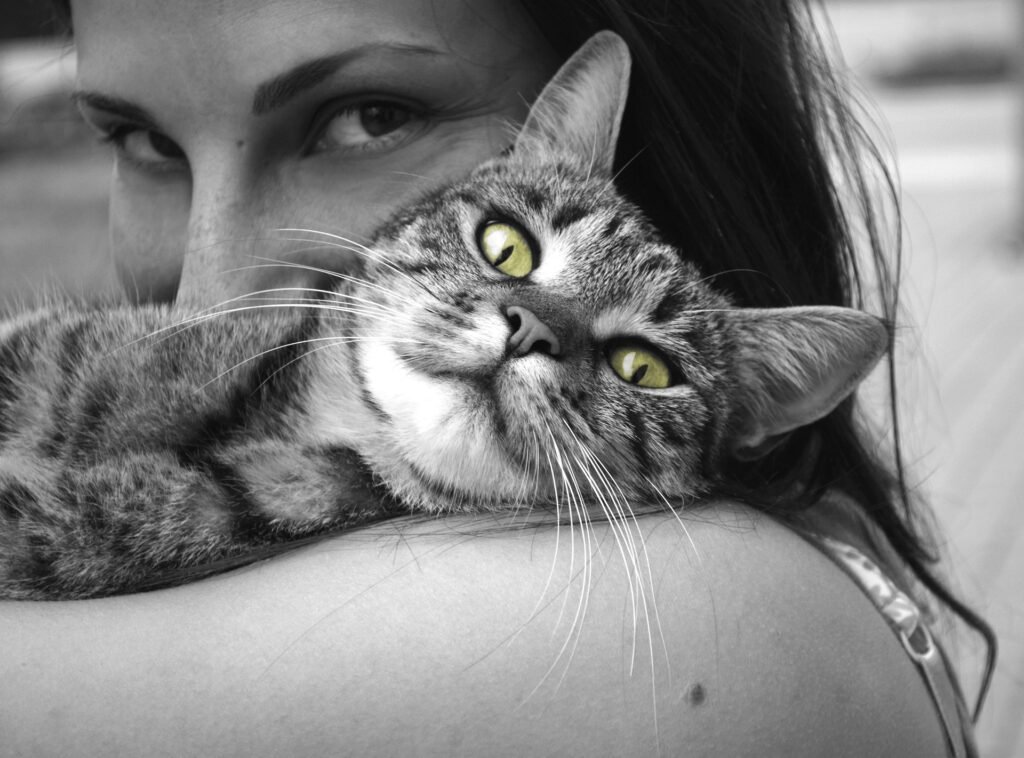
The important thing is context.
A pet asking for attention can mean:
they want to play
they are bored
they want comfort
they are excited
they want food or water
they need the toilet or litter tray
they are stressed by a change
they simply want to be near you
But if a behaviour suddenly changes, becomes intense, or seems unusual for your pet, it is worth paying attention. Some attention-seeking behaviour can be linked to stress, discomfort, pain, anxiety, or a change in routine. Rover notes that changes in meowing, pawing, or movement can sometimes point to discomfort or a need for help.
So yes, the drama is cute. But the tiny actor may still be telling you something real.
The Funny Part: They Know What Works
The funniest part is that pets are excellent little researchers.
They test things.
One bark.
One stare.
One paw.
One slow blink.
One dramatic flop.
One deeply offended face from across the room.
Then they observe the human response.
If the human reacts, the pet may decide the system works. This is how a tiny behaviour can become a full daily ritual. The dog does one little paw tap, the human says “What do you want?”, and suddenly the paw tap is now an official button.
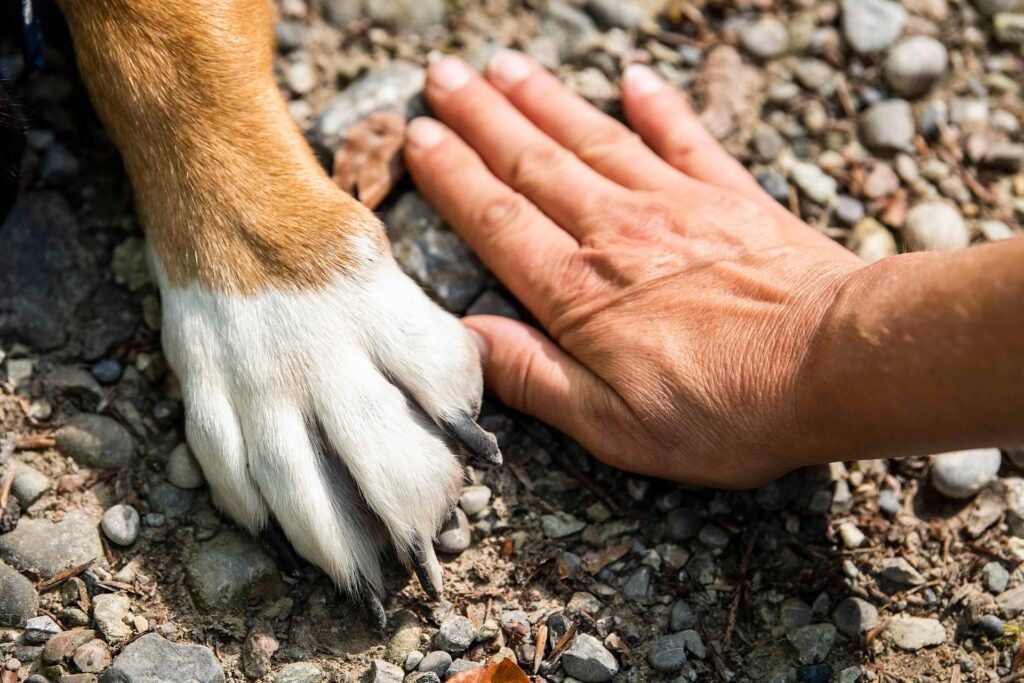
That does not mean pets are being manipulative in a villain way. It means they are learning. Animals repeat behaviours that get results. Humans do the same thing, except we call it “checking notifications.”
Pets just have fluffier user interfaces.
How To Respond Gently
If your pet is asking for attention in a cute, healthy way, giving them affection, play, or calm connection is lovely.
But if the behaviour becomes too much, it can help to reward calmer behaviour instead. For example, instead of reacting to frantic barking or pawing, you can wait for a calmer moment, then give attention, play, or praise. That teaches the pet that calm communication works better than chaos.
A simple routine can also help: regular playtime, walks, enrichment toys, cuddle time, feeding routines, and quiet rest. Pets often feel better when they know connection is coming and do not need to launch a full emotional campaign every time.
And of course, if something feels wrong, unusual, painful, or sudden, checking with a vet is always safer than guessing.
🐱🐕 😺
A Tiny CloudyAww Thought ☁️🐾
At CloudyAww, these tiny dramatic moments are exactly the kind of little everyday stories we love.
A dog asking for attention.
A cat acting personally offended.
A puppy filing a complaint with its whole face.
A tiny pet deciding that love is not optional today.
They are funny because they are dramatic, but they are also sweet because underneath the drama is usually something simple: “Notice me. I like being near you.”
And honestly, that is a pretty cute message to receive.
🐶 📺 🐱
For more tiny animal dramas, cozy pet stories, gentle articles, and soft little internet moments, visit the CloudyAww world anytime.
Keep following the behaviour trail with Why Do Pets Misunderstand What We Want?, Why Do Pets Turn Small Moments Into Big Drama?, and Why Pets Look So Offended When They “Talk Back” 😭🐶🐱. More warm, practical pet explainers live in Aww Articles.