
What Your Pet Might Be Trying to Tell You
Some pets have a gift for appearing exactly where they are least convenient.
You open your laptop, and a cat sits on the keyboard. You try to leave the room, and a small furry security guard appears in the doorway. You finally sit down after a long day, and your favourite spot has already been claimed by someone with paws.
It is funny because it feels so deliberate. A pet blocking a door, laptop, bed or chair can look like tiny household management. The truth is usually softer, stranger and more interesting: pets may be asking for attention, seeking warmth, following scent, guarding a valued space, copying routines, or simply choosing the most important place in the room.
In other words, sometimes “access denied” is not random.
It is pet logic.
Pets Notice What Gets Your Attention
Many pets are experts at finding the exact object, doorway or chair that matters most in the moment.
If you are working on a laptop, the laptop suddenly becomes interesting. If you are trying to leave a room, the doorway becomes important. If you sit in the same chair every evening, that chair becomes part of the home routine.
To us, it looks like our pets are deliberately blocking us. Sometimes they are simply placing themselves where the action is. They notice what we touch, where we look, where we sit, and what seems to take our attention away from them.
That is why a cat on a keyboard or a dog lying across a hallway can feel so personal. Your pet may not understand emails, basketball games or human schedules, but they do understand one thing very well: this object or place has your attention, so it must be important.
Watch the “Access Was Denied” Pets
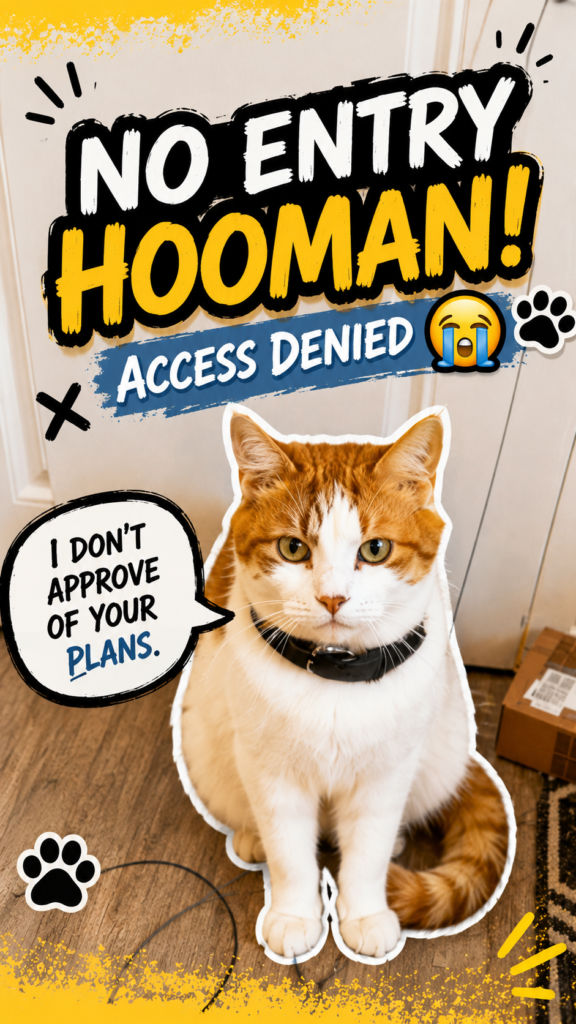
Some pets do not just live in the house. They enforce the house rules.
From doors to screens to favourite spots, these animals made it very clear that access was not currently available:
Your Pet Wants to Be Where the Action Is
A lot of “access denied” behaviour starts with a very simple pet rule: if the human cares about something, that thing must be important.
That is why laptops, phones, TV screens, books, doorways and favourite chairs suddenly become prime real estate. Your pet may not know what an email is, why a basketball match matters, or why you need to leave for work on time. They just notice that your attention has moved somewhere else.
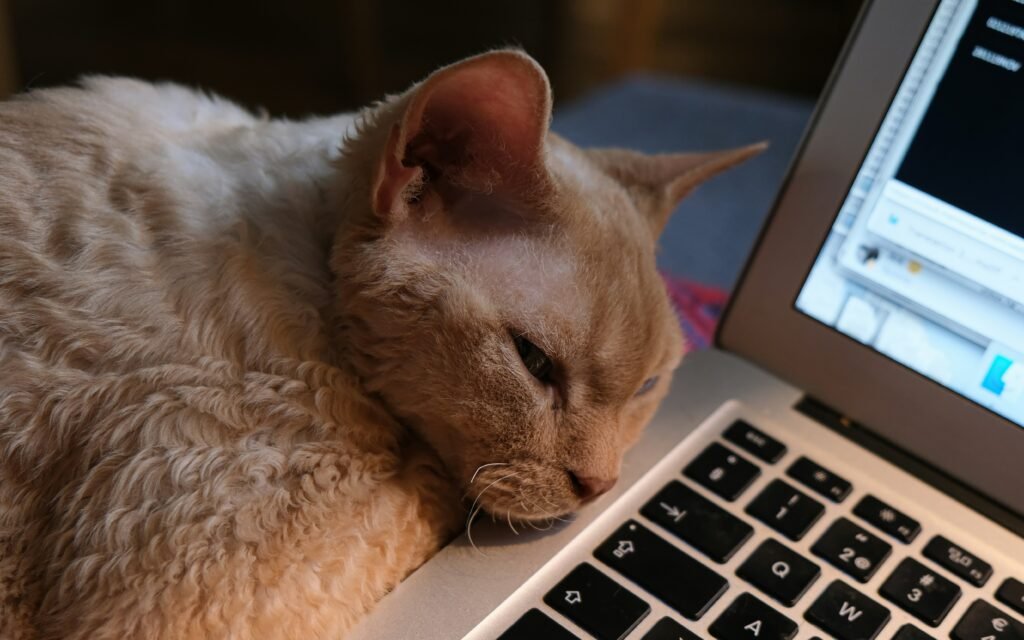
For cats, a laptop can be especially tempting. It is warm, raised, covered in familiar human scent, and usually placed right where your hands and eyes are focused. From a cat’s point of view, that is not “your work setup.” That is a heated throne in the middle of the attention zone.
Dogs can do a similar thing with doorways, hallways, sofas and beds. They may place themselves where people move most often because it keeps them close to the household action. Sometimes they want attention. Sometimes they want comfort. Sometimes they have simply discovered the most inconvenient place in the room and decided it has excellent emotional value.
So when your pet blocks your path, they may not be trying to ruin your day.
They may just be saying: “I noticed this matters. Therefore, I am involved.”
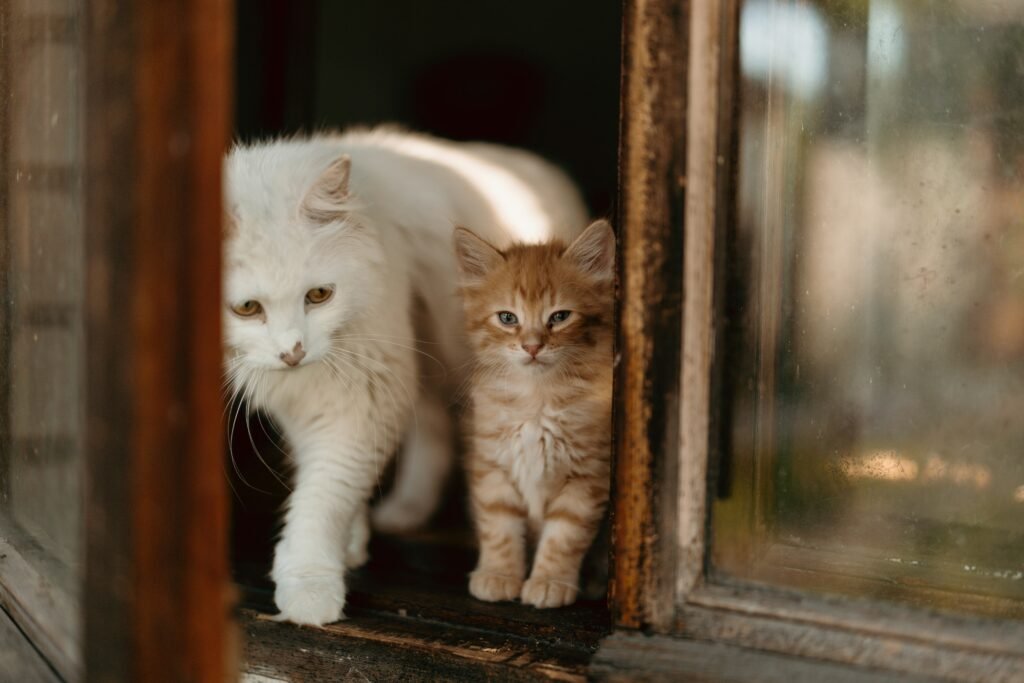
Doorways Can Become Tiny Checkpoints
A doorway is not just a doorway to a pet.
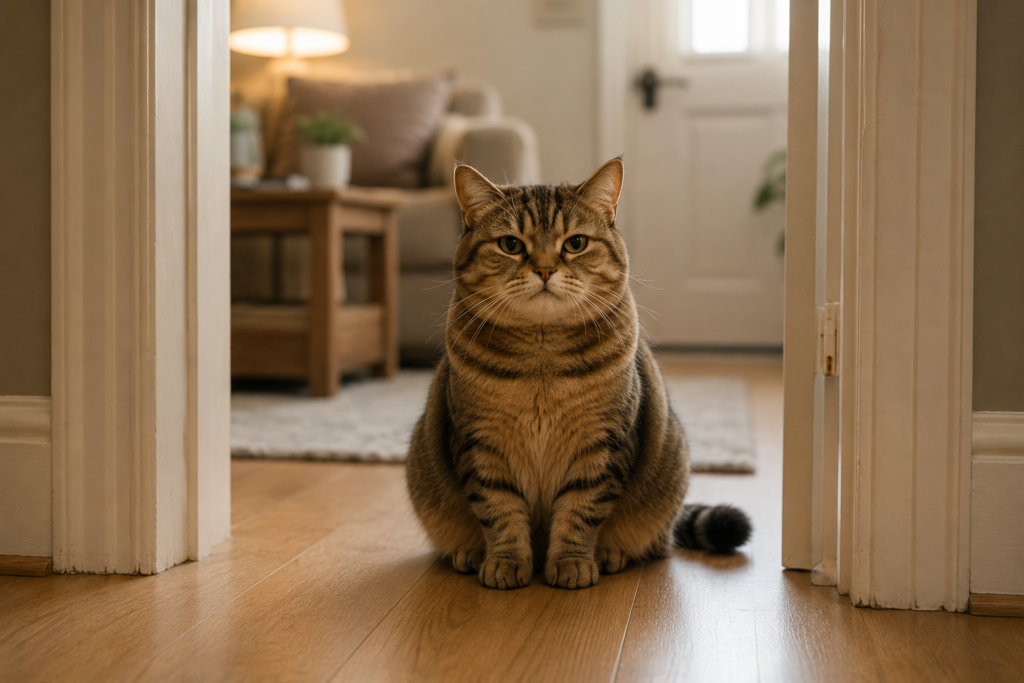
It is a place where movement happens. People enter. People leave. Other pets pass through. Interesting sounds come from the other side. If a pet wants to watch the household, control a space, or simply stay close to the action, a doorway is a perfect little checkpoint.
That is why a cat sitting in front of a door can look so official. They are not wearing a badge, but the energy says otherwise.
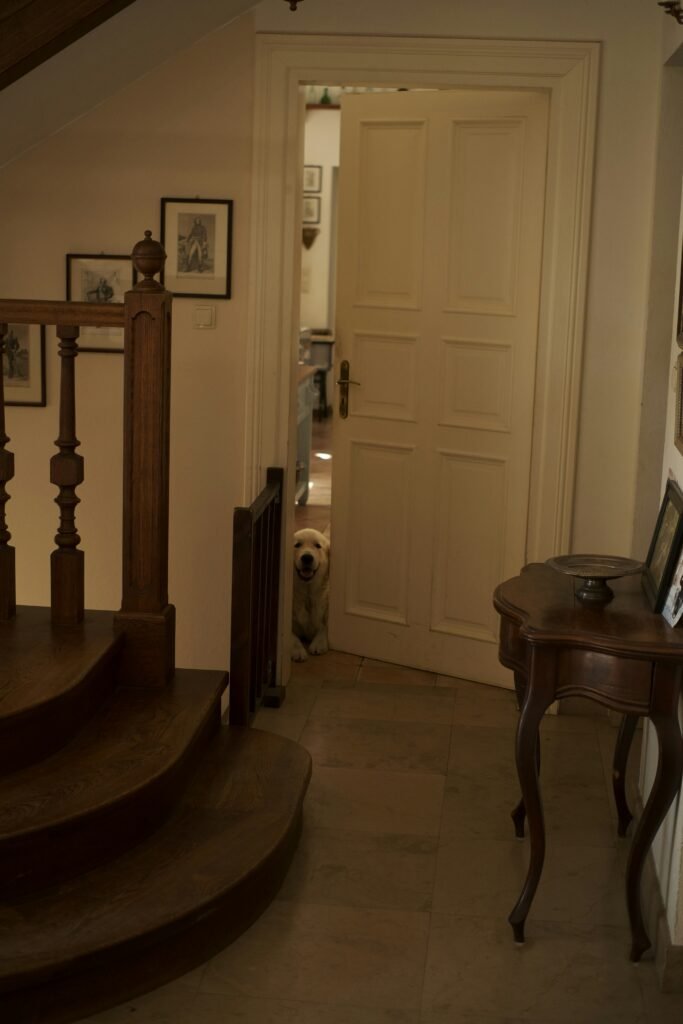
Sometimes this behaviour is relaxed and funny. A cat sits in the middle of the path. A dog lies across the hallway. Everyone has to step around the furry traffic cone. In those cases, it is usually just comfort, curiosity, attention, or habit.
But doorways can also matter in multi-pet homes. If one animal blocks another animal from passing, especially with staring, swatting, chasing or stiff body language, it can be a sign of tension around space. The funny version of “access denied” should still feel safe and calm.
If the doorway guard looks relaxed, soft and sleepy, you probably just have a tiny house manager.
If the doorway guard looks tense, it may be time to give everyone more space.
Favourite Seats Smell Like Comfort
Pets are excellent at noticing routines.
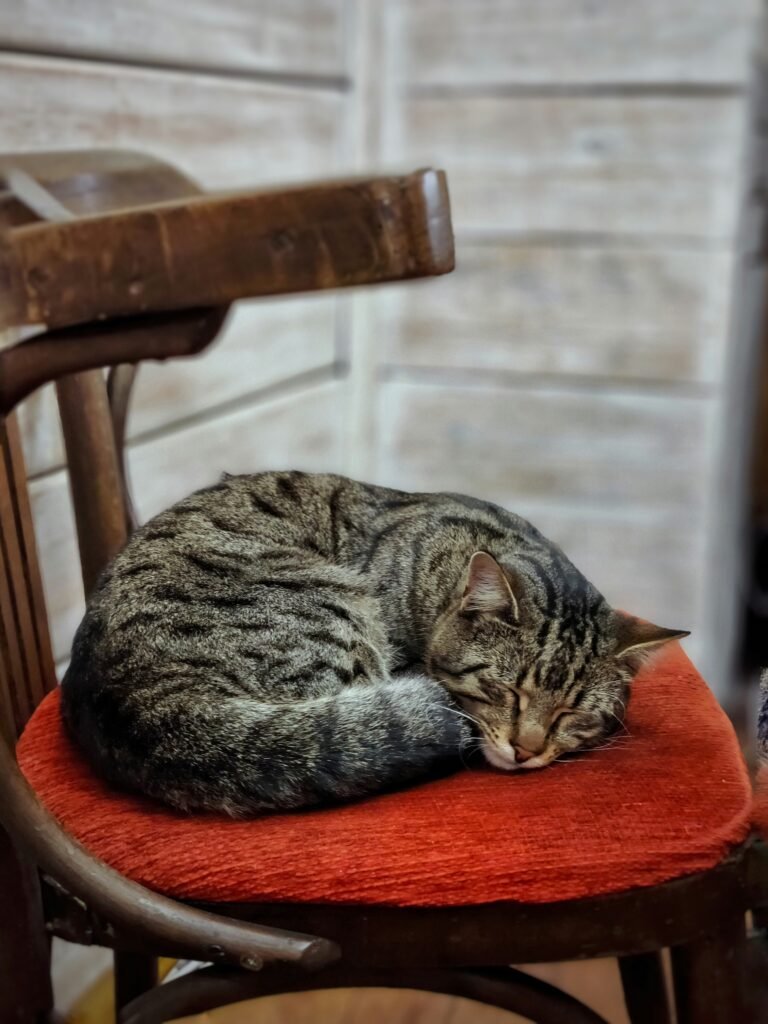
If you sit in the same chair every evening, that chair becomes part of the emotional map of the home. It smells like you. It feels familiar. It may be close to blankets, warmth, snacks, or the best view of the room.
So when your cat steals your chair or your dog takes your spot on the sofa, it is not always random cheekiness. They may be choosing a place that feels safe, warm and connected to you.
Of course, pets also learn what gets a reaction. If stealing the chair makes you laugh, talk to them, move closer, or gently negotiate with them like they own the building, the behaviour can become part of the routine.
That does not mean your pet is plotting against you.
It means your favourite seat has accidentally become a very important shared resource.
Blocking Can Be a Form of Attention-Seeking
Attention-seeking gets described like a bad thing, but often it is just communication with extra paws.
If a dog is bored, under-stimulated, excited, or craving contact, they may learn to place themselves directly in the way. A doorway, hallway, sofa, bed or laptop area becomes the stage where they can guarantee a response.
Cats can be quieter, but just as strategic. Sitting on a keyboard, standing in front of a screen, walking between you and your book, or blocking a doorway can all work as tiny reminders: “Hello. I am also here. Please update your priorities.”
The important part is not to reward every interruption with a full ceremony, but also not to ignore the message completely. Sometimes a short play session, a puzzle feeder, a walk, or a better resting spot nearby can reduce the need for dramatic access control.
Your pet may not be trying to be difficult.
They may simply have discovered that blocking the important thing is the fastest way to become the important thing.
When “Access Denied” Is Not Just a Joke
Most pet blocking is harmless and funny. A cat on a laptop, a dog across the hallway, or a pet stealing your favourite seat can be part of normal home life.
But it is still worth watching the body language.
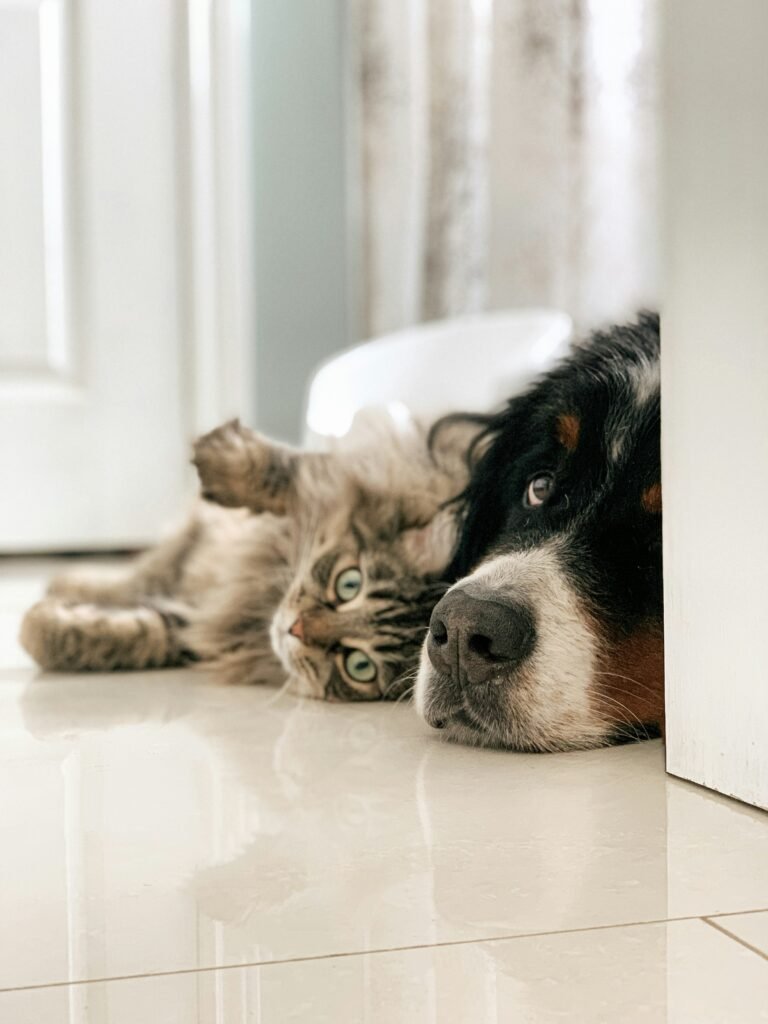
If a pet is relaxed, soft, blinking, loose-bodied or gently curious, the moment is probably just silly household behaviour. If a pet is stiff, staring hard, growling, swatting, snapping, chasing another animal away, guarding food, or refusing to let another pet pass, the situation needs more care.
This is especially true around food bowls, beds, doorways, toys and resting spots. Those can become valuable resources for some animals.
The safest approach is to keep things calm. Do not force a pet out of the way if they seem tense. Give them space, redirect gently, and make sure every animal in the home has enough safe resting places, food areas and quiet routes.
The funny CloudyAww version of “access denied” should always be the safe version: silly, readable, gentle and not frightening for the animal.
The Funny Truth About Pet Logic
Pets block things because those things matter.
They block laptops because laptops steal attention. They sit in doorways because doorways control movement. They claim chairs because chairs smell like comfort. They lie in hallways because hallways are where the household passes by.
To us, it can look like tiny rule enforcement. To them, it may simply be warmth, habit, curiosity, affection, attention, or a favourite spot that happens to be exactly where we need to go.
That is what makes the behaviour so funny. It feels dramatic, but underneath it is usually very ordinary pet logic.
So next time your pet parks themselves in the most inconvenient place possible, you may not be dealing with chaos.
You may just be dealing with a very small manager enforcing the house rules.
More Tiny Pet Logic on CloudyAww
At CloudyAww, we collect the small, funny and oddly meaningful moments that make pets feel like tiny characters in our homes.
One day they are blocking a doorway like security. Another day they are stealing a chair, judging a laptop, misunderstanding a simple request, or enforcing house rules nobody else agreed to. These moments are silly, but they are also part of why living with animals feels so warm, surprising and full of personality.
If this made you smile, you can explore more cute pet moments, funny animal behaviour and tiny house-rule chaos across CloudyAww’s Daily Awws and Aww Articles.
Keep following the behaviour trail with Why Do Pets Misunderstand What We Want?, Why Dogs and Cats Demand Attention: The Cute Reason Pets Act So Dramatic, and Why Do Pets Choose the Weirdest Places to Sit or Sleep?. More warm, practical pet explainers live in Aww Articles.








More everyday pet behaviour, tiny mysteries and practical guides live in Aww Articles.