

Some pets do not simply notice a new bag, box or suitcase. They approach it like it has been placed under official household investigation.
A shopping bag appears by the door, and suddenly your cat is inside it. A delivery box lands in the hallway, and your dog needs to smell every corner. Shoes, luggage, coats, backpacks and grocery bags can all become part of the same serious little routine.
It looks funny because pets can seem so focused. The tilted head, the slow sniff, the paw near the opening, the suspicious stare. For a moment, they are not just being cute. They look like tiny inspectors trying to understand what changed in their world.
Most of the time, this behaviour is normal. Pets use scent, sound, texture and routine to make sense of their home. A new object can carry outdoor smells, food traces, unfamiliar materials or simply the exciting mystery of something that was not there before.
So when your pet begins “inspection time,” they may not be causing trouble. They may be reading the room in the most pet-like way possible.
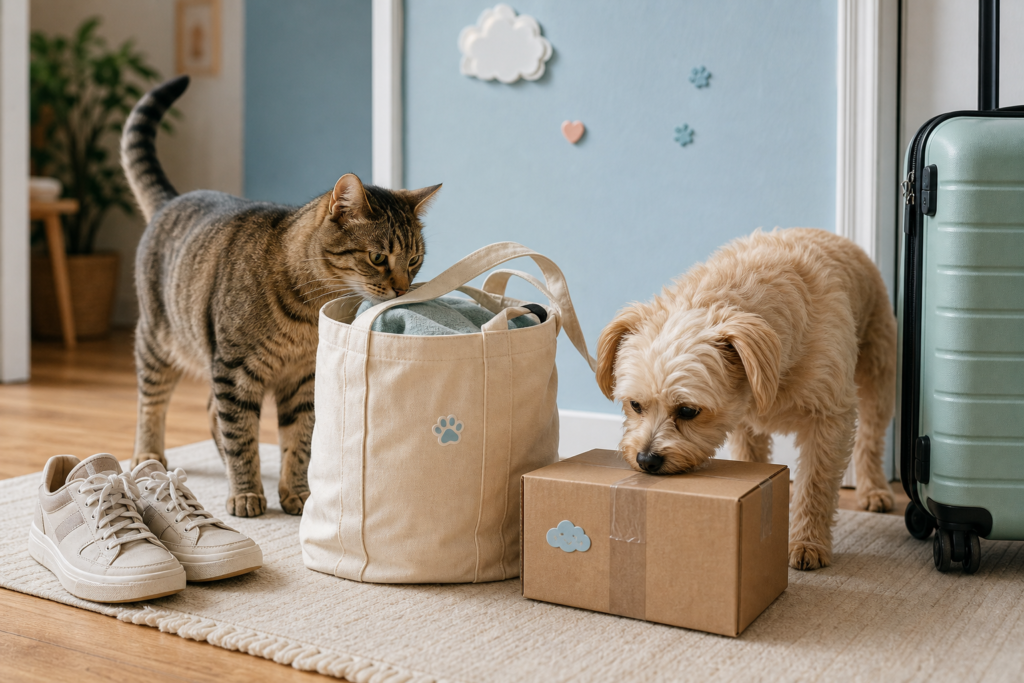
New Objects Carry New Information
To us, a bag is just a bag.
To a pet, it can be a small news report from the outside world.
It might smell like another house, a shop, a car, pavement, food, rain, grass, other animals, or the person who packed it. Even an ordinary cardboard box can bring in a whole layer of scent and texture that was not there ten minutes ago.
That is why inspection can look so official. Your pet is not necessarily trying to cause trouble. They may be collecting information in the way that makes the most sense to them.
For dogs, sniffing is not just a hobby. It is one of the main ways they understand the world. For cats, new objects can trigger curiosity, play, caution or all three at once. A box, bag or suitcase changes the map of the room, and many cats want to know exactly what that means.
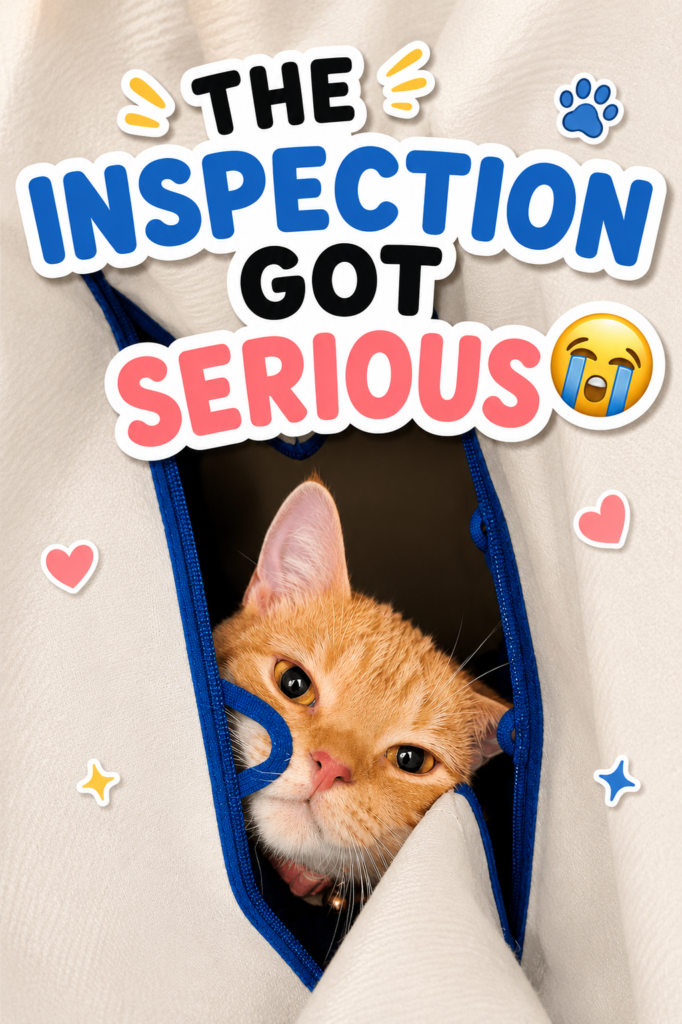
Watch The Inspection Got Serious
See the tiny inspection department in action here:
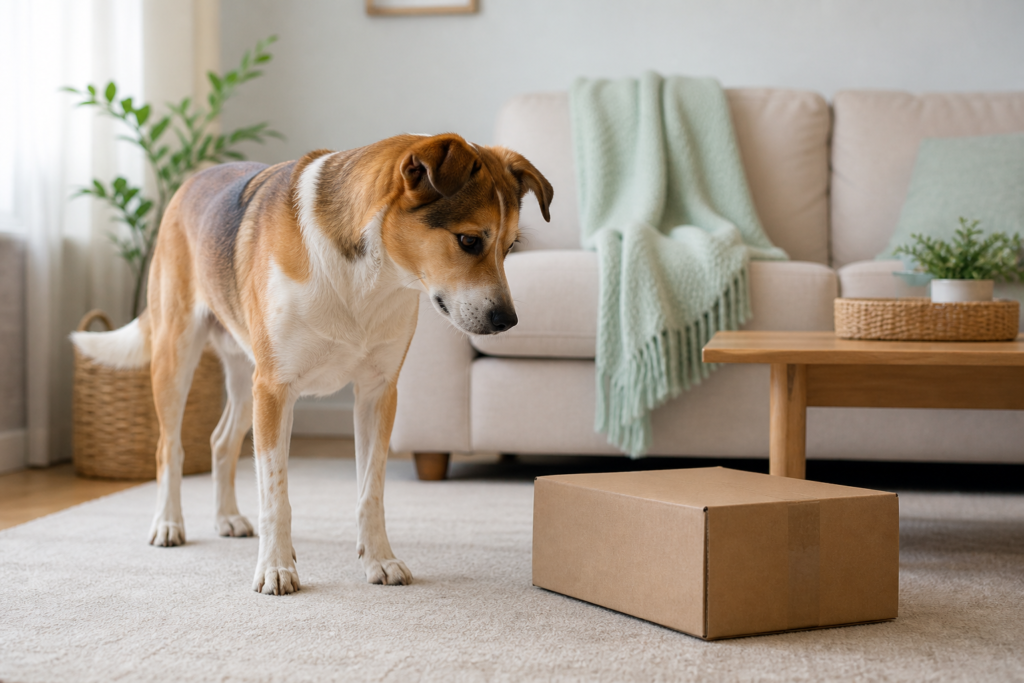
The Serious Face Does Not Always Mean Fear
Some inspections are cautious, but caution is not always the same as fear.
A pet might pause because the object moved. Or because the bag made a crinkly sound. Or because the suitcase is usually connected to you leaving the house. Or because the delivery box smells new enough to deserve a meeting.
That little frozen moment can be your pet processing information.
The best response is usually calm and boring. Let safe objects be sniffed for a moment. Avoid forcing your pet toward something they are unsure about. If they back away, give them space. If they approach, let them investigate without turning it into a big event.
The inspection department works better without pressure.
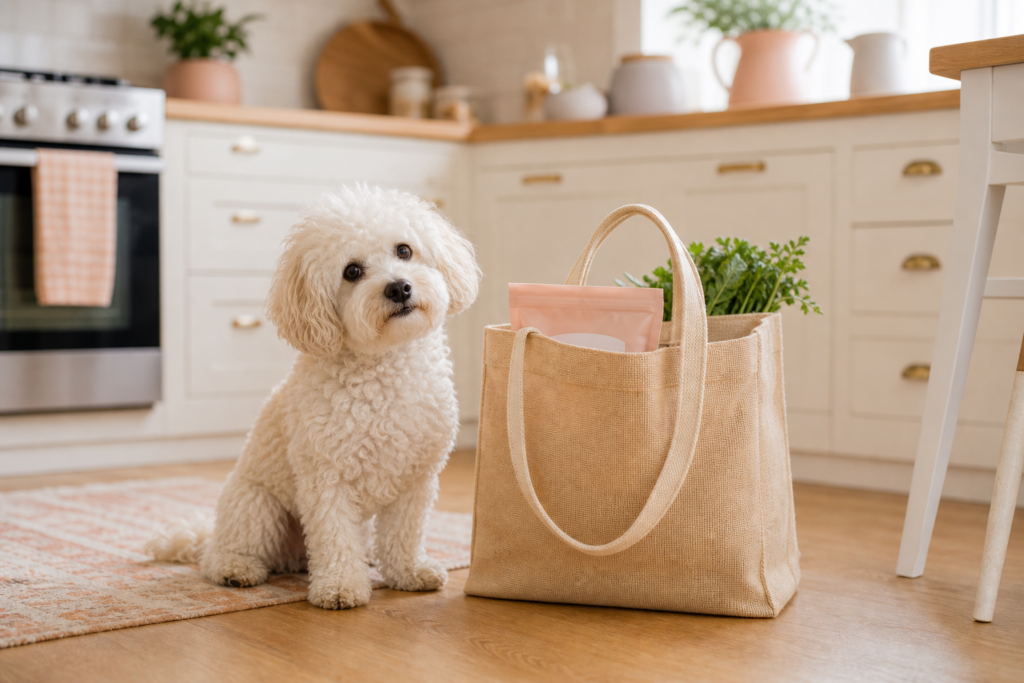
Some Bags Have Trained Your Pet Perfectly
Pets are very good at learning patterns.
A grocery bag might mean food. A backpack might mean you are leaving. A suitcase might mean the house routine is about to change. A takeaway bag might carry the most important smell of the day.
So when your pet rushes toward a bag, they may not be reacting to the object itself. They may be reacting to the history attached to it.
This is why some inspections look almost dramatic. Your pet has seen this item before, or something like it, and they have learned that it often leads to something interesting. Food, walks, visitors, travel, treats, or a change in the usual rhythm.
In their mind, the object is not just sitting there. It is making an announcement.
Inspection Time Can Be Healthy Enrichment
A safe little inspection can be good for your pet.
Sniffing, watching, touching and exploring are all ways animals use their brain. A new box, a different bag, a changed room or an unfamiliar smell can become a small enrichment moment without needing expensive toys.
The key word is safe.
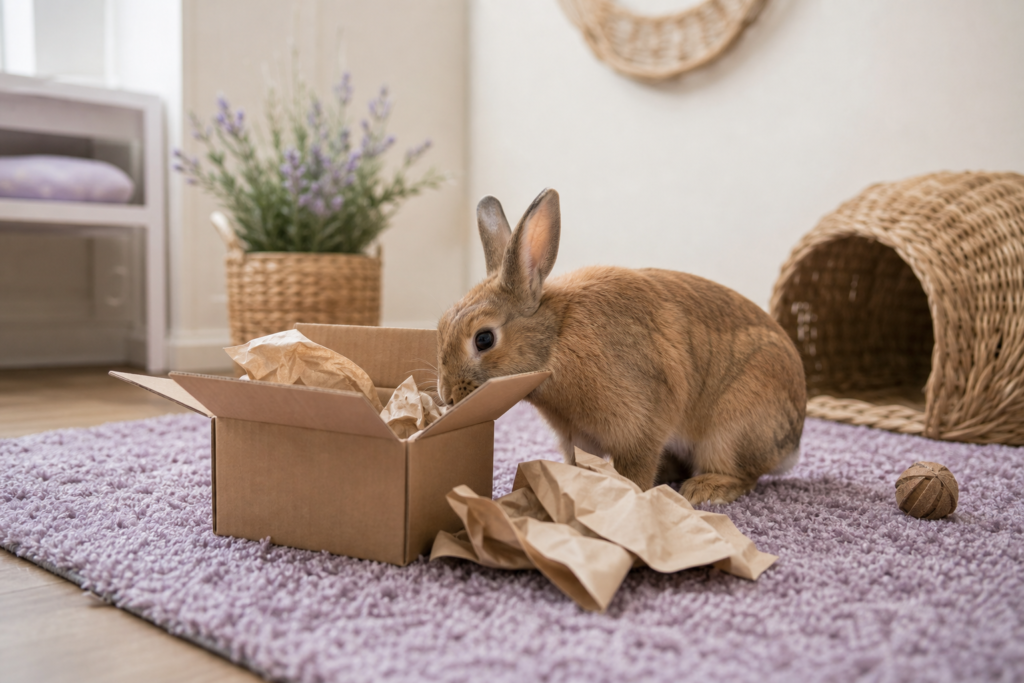
Let your pet investigate things that cannot hurt them. A clean cardboard box, an empty tote bag, a blanket, a safe parcel or a harmless household object can all become part of their curious little world.
But avoid anything sharp, toxic, breakable, sticky, hot, heavy, or easy to swallow. Handles, plastic bags, string, ribbons, food packaging and small loose parts can turn a funny inspection into a problem very quickly.
The best version of inspection time is simple: your pet gets to be curious, and you quietly make sure the tiny detective is not investigating anything dangerous.
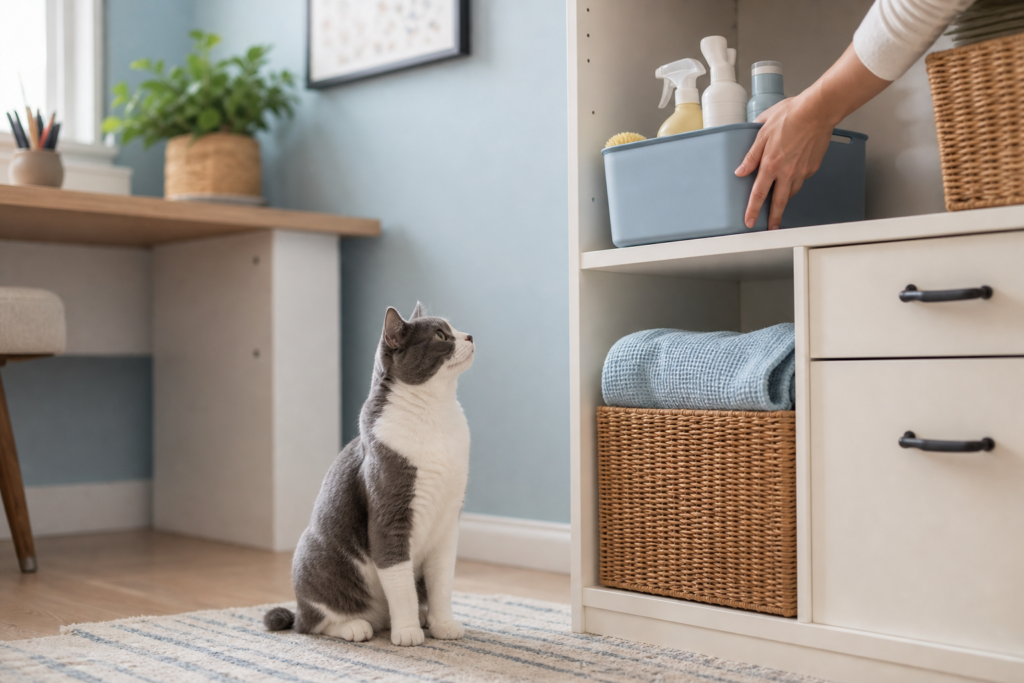
When Inspection Needs a Little Boundary
Some inspection moments are cute. Others need a quiet boundary.
If your pet is trying to climb into a plastic bag, chew packaging, pull at string, dig through food wrappers or investigate something heavy, sharp or breakable, it is time to gently redirect them.
You do not need to panic or turn it into a dramatic scolding session. Most pets are not being naughty in that moment. They are following curiosity. The goal is simply to make the safer choice easier.
Move risky items out of reach, offer a safe alternative, or guide your pet toward something they are allowed to inspect. A cardboard box, snuffle mat, safe toy, blanket pile or treat puzzle can give them the same “I must investigate this” feeling without the danger.
A good boundary does not ruin the fun. It keeps the tiny detective employed in a safer department.
Some Inspections Are Really About Routine
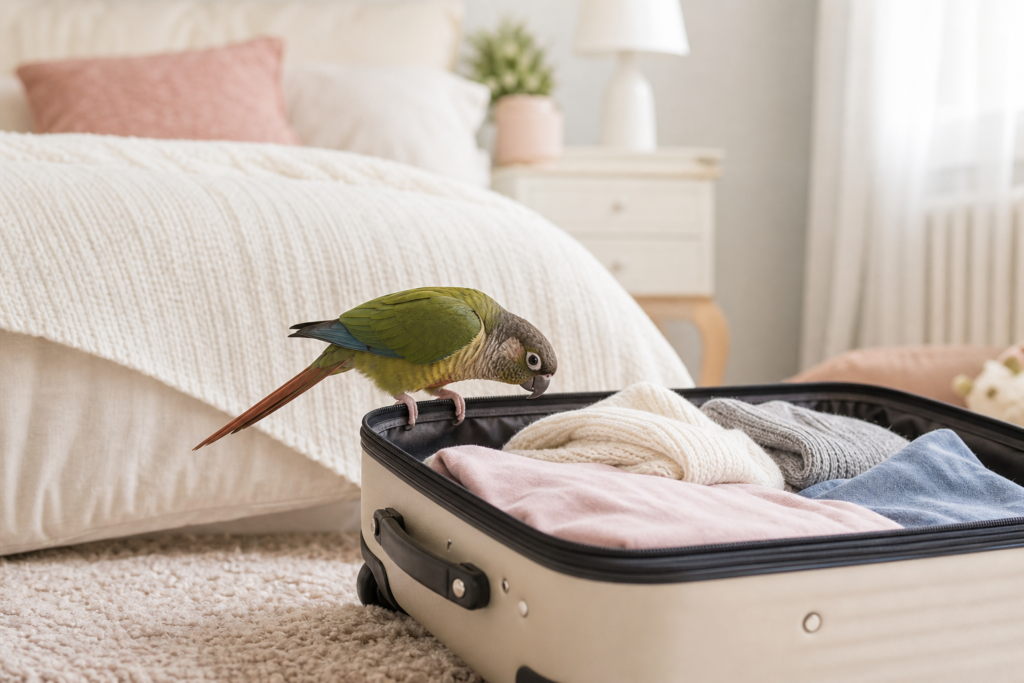
Suitcases are a perfect example.
Some pets become very interested in luggage because it often means something is about to change. You might be packing for a trip, coming home from somewhere new, or moving objects around in a way that breaks the usual rhythm of the house.
That can make a suitcase feel important.
Your pet may sniff it, sit inside it, lie on top of it or quietly watch from nearby. Sometimes it looks funny. Sometimes it looks dramatic. But underneath the comedy, your pet may be noticing a shift in routine.
If your pet seems unsettled around packing, try keeping the mood calm. Let them inspect safely, keep familiar blankets or toys nearby, and avoid turning the whole thing into a stressful performance.
To your pet, the suitcase may not just mean travel. It may mean, “something is changing, and I need to understand it.”
The Tiny Inspection Department Is Usually Doing Its Job
Inspection time can look dramatic, but most of the time it is simply your pet being curious, careful and wonderfully tuned in to their environment.
They notice what arrives. They notice what moves. They notice what smells different, sounds strange or interrupts the normal flow of the room.
That does not mean every bag, box or suitcase needs to become a pet playground. Safety still matters. But when the object is harmless, a little supervised investigation can be a sweet reminder of how much your pet is paying attention.
So the next time your cat climbs into a bag or your dog studies a delivery box like official evidence, you can smile at the tiny seriousness of it all.
The inspection department may be small, but it takes the job very seriously.
☁️🐾 A tiny cloud note
At CloudyAww, we love the little moments where pets make ordinary life feel strangely important. A bag becomes a mystery. A box becomes evidence. A suitcase becomes a whole emotional event.
For more tiny investigations, dramatic faces and soft animal chaos, visit CloudyAww and follow the Daily Awws.
Keep following the behaviour trail with What It Means When Pets Try to Use Human Things, When Suitcases Make Pets Suspicious, and What It Means When Pets Block Doors, Laptops and Your Favourite Seat. More warm, practical pet explainers live in Aww Articles.