
Sometimes a pet does one tiny thing, and somehow the entire house becomes part of the plot.
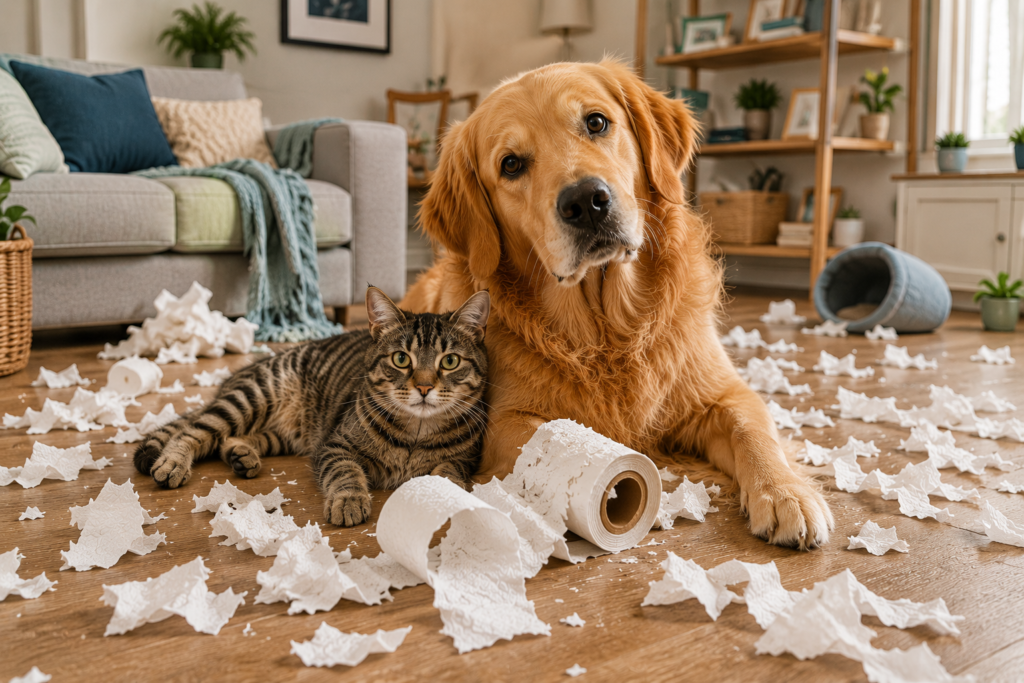
One toilet roll becomes a snowstorm. One laptop becomes a cat bed. One sock becomes a high-speed robbery with paws. It looks random, dramatic, and deeply personal, but most pet chaos usually has a much simpler explanation.
Cats and dogs are not normally trying to ruin your sofa, cancel your work call, or redecorate the hallway with shredded paper. They are often following instincts: chewing, scratching, exploring, playing, seeking attention, burning energy, or trying to make sense of something interesting. The funny part is that their tiny decision often becomes everyone’s problem.
This article looks at why pets cause chaos at home, why it is not always “bad behaviour,” and how to tell the difference between harmless silliness and a sign your pet might need more support, enrichment, or routine.
The tiny moment that starts everything
Pet chaos often begins with something tiny: a loose bit of paper, an open cupboard, a soft blanket, a suspicious cardboard box, or a laptop that is clearly too warm and important to ignore.
To a human, these things are ordinary household objects. To a pet, they can look like entertainment, comfort, territory, prey, or a problem that needs immediate investigation.
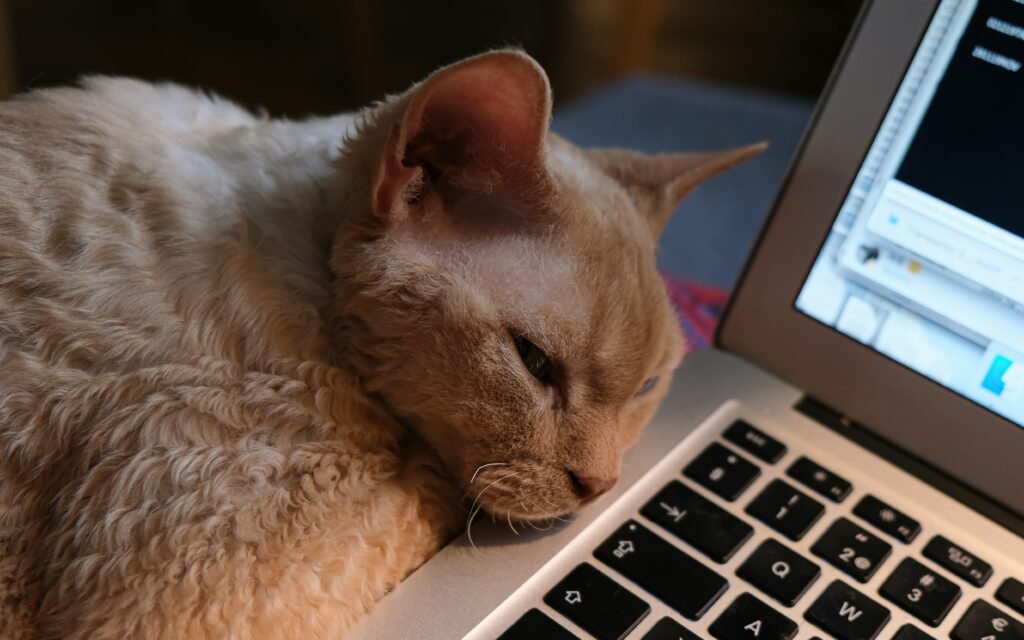
That is why a cat may sit on your keyboard with the confidence of a tiny manager, or a dog may proudly carry off a sock like it has completed an ancient quest. The object is not just an object anymore. It has become part of their little world.
The funny part is that pets rarely understand the human side of the situation. They do not know you were about to send an email, fold laundry, or keep the toilet roll attached to the holder. They just know something interesting appeared, and their brain said, “yes, this belongs in today’s adventure.”
Pets are not always “being naughty”
It is easy to look at a shredded cushion or scratched chair and think your pet chose chaos on purpose. But a lot of these behaviours are normal animal behaviours happening in the wrong place.
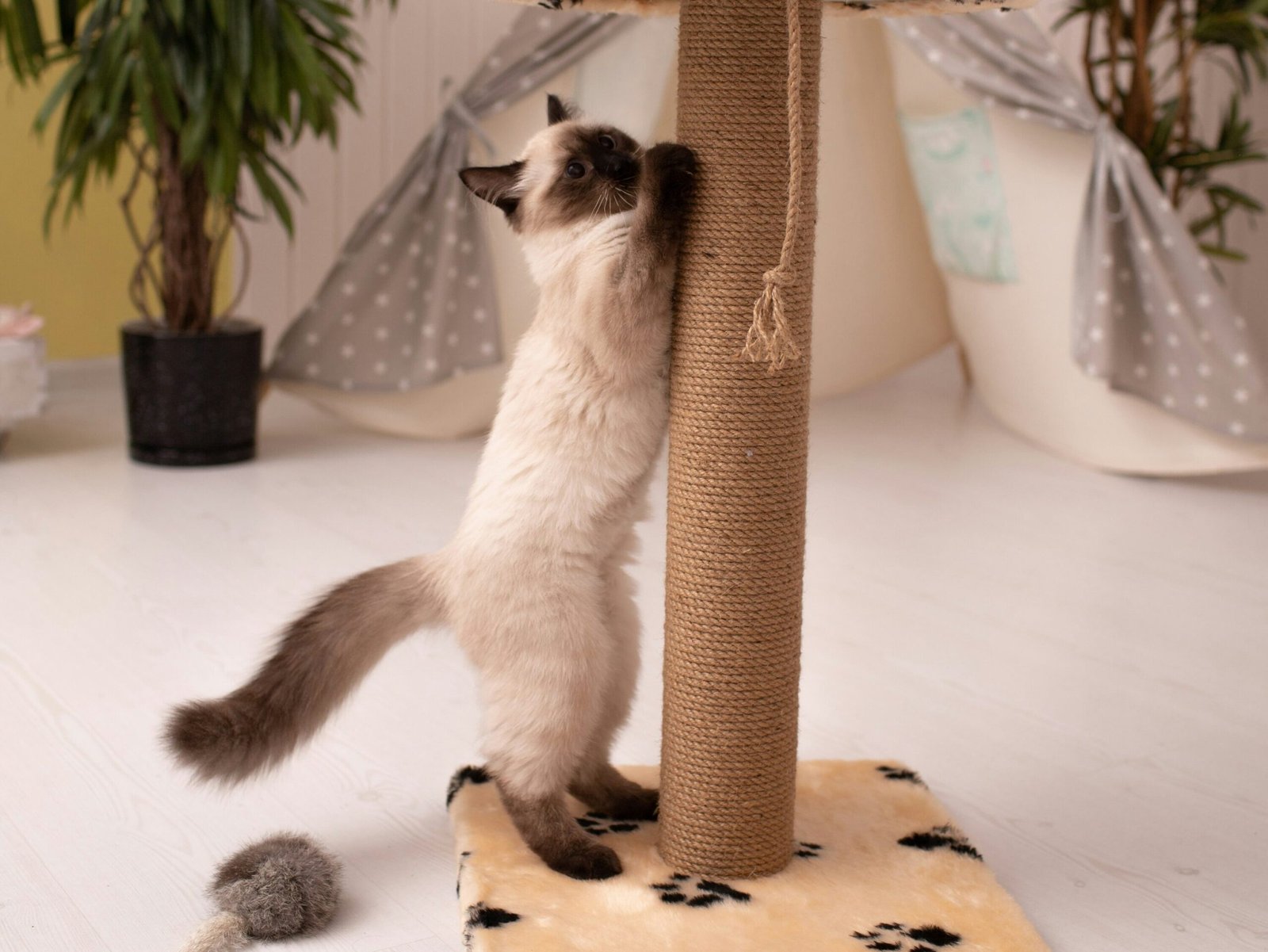
Dogs chew to explore, soothe themselves, relieve teething discomfort, or fight boredom. Cats scratch to stretch, play, mark territory, and keep their claws healthy.
The problem is not always the behaviour itself. The problem is the chosen target. A dog chewing is normal. A dog chewing your favourite shoe is less ideal. A cat scratching is normal. A cat choosing the sofa instead of the scratching post is where the household meeting begins.
That does not mean every mess should be ignored. It means the first question should usually be, “What need is this behaviour meeting?” rather than “Why is my pet plotting against me?”
Most of the time, they are not plotting. They are just very committed to being themselves.
Watch the tiny chaos unfold
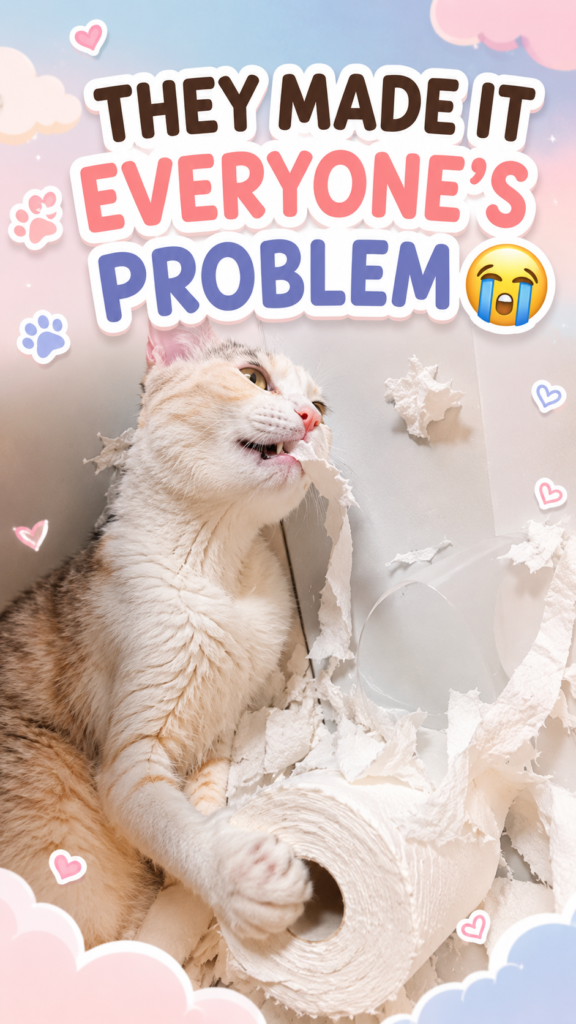
This little Short is exactly the kind of pet moment we’re talking about: one tiny decision, one confused household, and suddenly everyone has to deal with the consequences.
Some pets do not simply make a mess. They create a full situation:
Boredom turns small ideas into big projects
A bored pet can become a tiny home renovation team with no training and very strong opinions.
If there is not enough play, movement, sniffing, climbing, chewing, scratching, or problem-solving, cats and dogs may start inventing their own activities. Unfortunately, their chosen hobbies do not always respect furniture, curtains, cables, laundry, toilet roll, or your emotional attachment to clean floors.
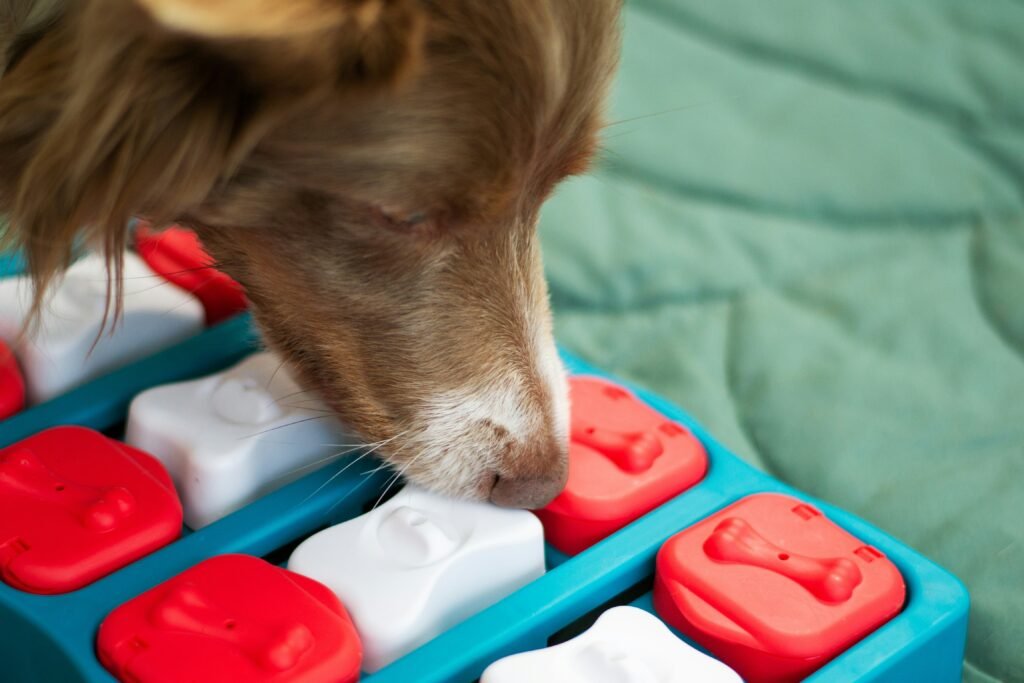
Dogs often need both physical exercise and mental work. A walk helps, but sniffing games, training, puzzle feeders, and safe chew toys can also give their brain something useful to do.
Cats need their own version of this too. Climbing spaces, scratching posts, hunting-style play, window watching, puzzle feeders, hiding spots, and rotating toys can all help turn that little chaos engine toward something safer.
When pets do not get enough good outlets, the forbidden thing can become the most exciting thing in the room. That is when the toilet roll becomes confetti, the plant becomes a science experiment, and the sofa corner becomes a personal art project.
Some chaos is really communication
Sometimes a pet makes something everyone’s problem because they want something from the humans around them.
A cat sitting on your laptop may not understand deadlines, but it probably understands that the laptop has your attention. A dog dropping a toy into your lap for the tenth time may not be trying to annoy you. They may be trying to say, “I am here, I am bored, and this meeting would be better with a tennis ball.”
Pets communicate with the tools they have: body language, noise, movement, proximity, and repetition. If a behaviour gets a reaction, even a frustrated one, some pets quickly learn that it works.
That does not mean you should reward every dramatic interruption. But it does mean the behaviour may have a reason behind it. Your pet might need play, food, routine, reassurance, a bathroom break, or simply a few minutes of direct attention.
The trick is to notice the message without letting chaos become the only way your pet gets heard.
When to laugh and when to help
Most pet chaos is harmless, especially if it happens once in a while and your pet seems relaxed afterwards.
A cat knocking something over, a dog proudly stealing a sock, or a pet sitting exactly where they should not sit can simply be part of life with animals. They are curious, emotional, energetic little creatures sharing a human home, and sometimes their logic is not compatible with furniture.
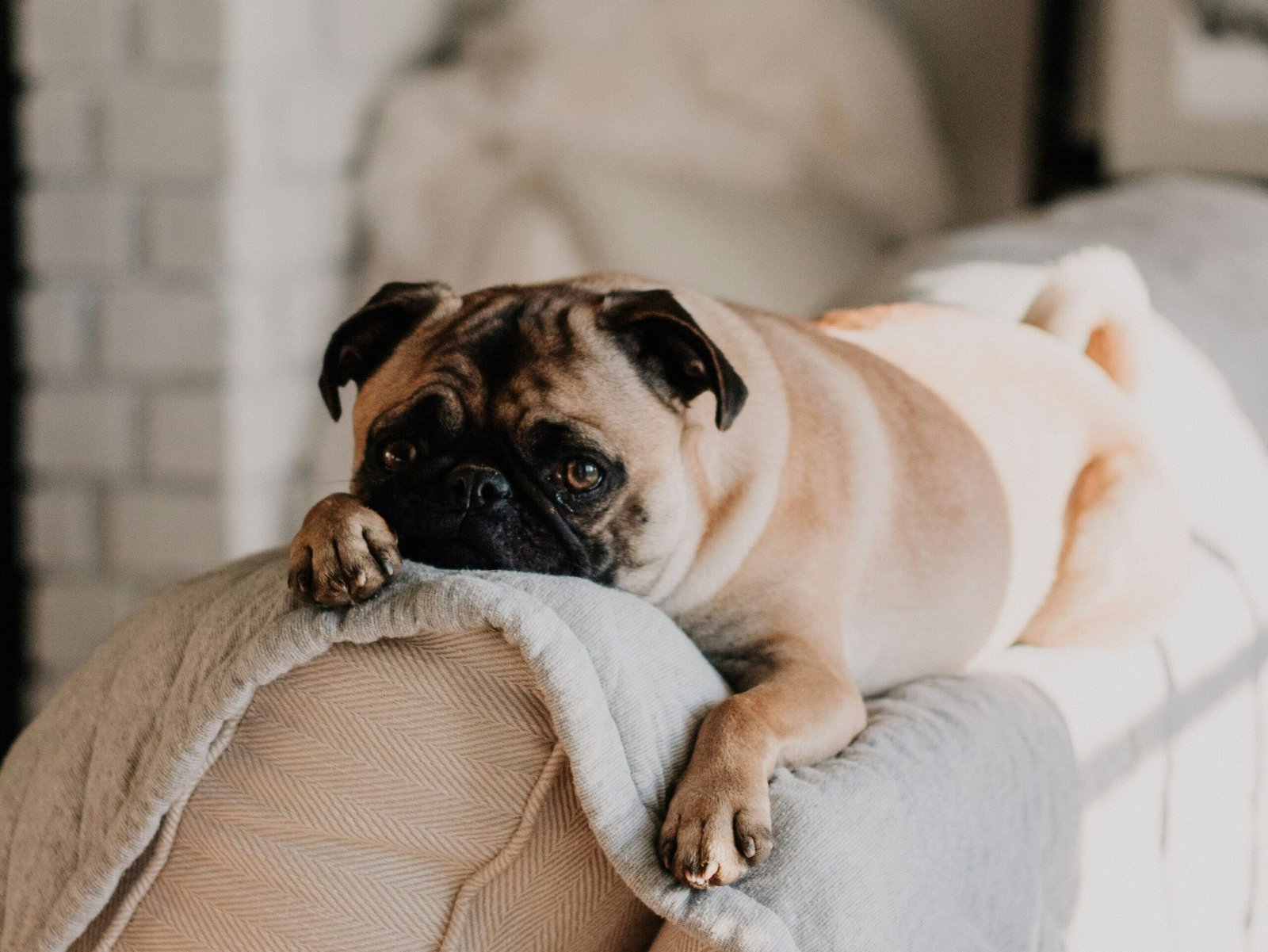
But repeated chaos can be a sign that something needs adjusting. If your pet keeps chewing dangerous objects, scratching the same furniture, destroying things when left alone, hiding after being told off, or acting stressed, it is worth looking deeper.
The question is not only, “Did they make a mess?” It is, “Are they getting enough safe ways to play, chew, scratch, climb, rest, and get attention?”
If the behaviour feels intense, sudden, unsafe, or linked to anxiety, it may be time to speak with a vet or a qualified behaviour professional. Cute chaos is funny. A stressed pet needs help, not just a caption.
How to give the chaos somewhere better to go
The goal is not to remove your pet’s personality. A completely chaos-free pet would probably be a houseplant with opinions.
The better goal is to give that energy somewhere safe, fun, and allowed. If your dog loves chewing, offer safe chew toys and rotate them so they stay interesting. If your cat loves scratching, make sure the scratching post is stable, tall enough, and placed somewhere your cat actually wants to use it.
Small changes can make a big difference. A short play session before work, a puzzle feeder, a sniffing game, a cardboard box, a window perch, or a toy basket can turn “destroy the house” energy into something much easier to live with.
It also helps to reward the behaviour you want. If your pet uses the scratching post, settles on their own bed, chews the right toy, or plays with an enrichment puzzle, notice it. Quiet good behaviour is easy to miss, but it is worth reinforcing.
Pets will still be weird. They will still choose the wrong place, steal the wrong sock, and look deeply proud of decisions nobody approved. But with better outlets, the chaos becomes softer, safer, and a little less likely to involve the toilet roll.
Why their little dramas feel so familiar
Part of the reason pet chaos is so funny is that it feels strangely human.
A cat who refuses to move from the laptop looks like someone ignoring responsibilities. A dog who steals a sock and runs away looks like someone making one bad decision and fully committing to it. A pet sitting proudly in the middle of a mess looks like they are waiting for applause instead of consequences.
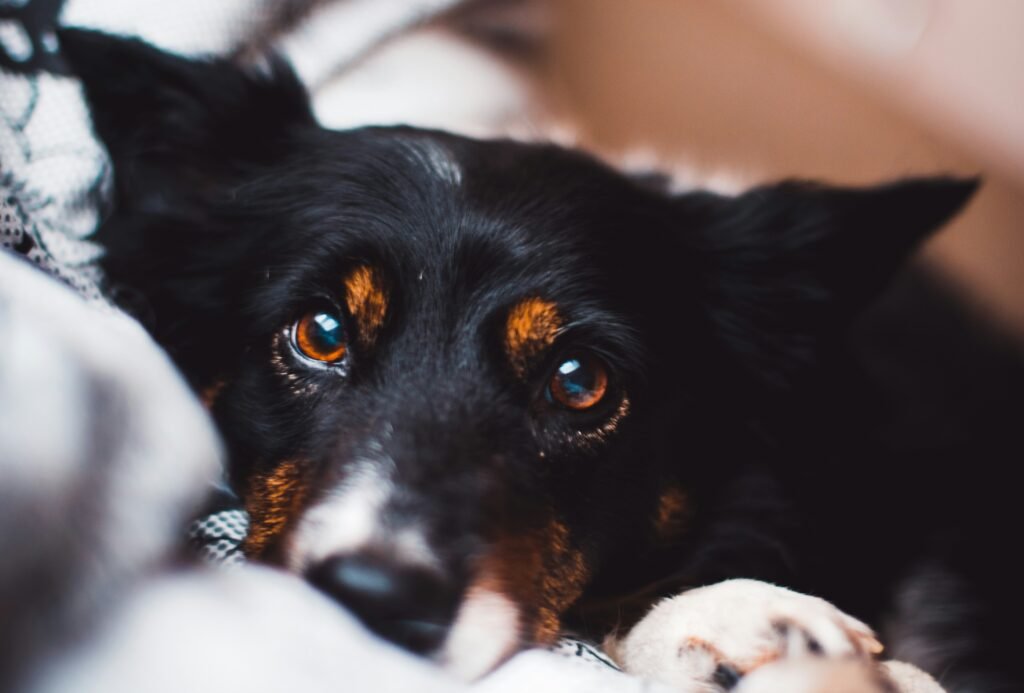
Of course, pets are not thinking exactly like people. They are following smells, textures, routines, instincts, curiosity, and whatever tiny idea just lit up in their brain. But the expression on their face can make the whole situation feel like a miniature comedy scene.
That is why these moments work so well in videos. You do not need a long explanation. One look at the guilty dog, the stubborn cat, or the pet sitting in the completely wrong place, and the story is already there.
They did one tiny thing. Somehow, everyone had to deal with it.
A little note from CloudyAww
At CloudyAww, we love these tiny animal dramas because they are funny at first glance, but often sweeter when you look a little closer.
A pet making a mess is not always just a pet being naughty. Sometimes it is boredom, curiosity, instinct, attention-seeking, or a tiny creature trying very hard to understand a human house full of strange rules.
That is what this little cloud-world is here for: cute videos, gentle explanations, cozy animal stories, and small daily resets for anyone who needs a warmer corner of the internet.
If today’s little chaos crew made you smile, we hope the rest of your day feels a tiny bit softer too. ☁️🐾
Keep following the behaviour trail with Why Do Pets Misunderstand What We Want?, Why Dogs and Cats Demand Attention: The Cute Reason Pets Act So Dramatic, and What It Means When Pets Try to Use Human Things. More warm, practical pet explainers live in Aww Articles.