

The hallway suddenly has a tiny race event
One minute the house is calm. The next minute a cat launches down the hallway like the floor has issued a personal challenge.
Cat night zoomies can be extremely funny when everyone is safe. They can also be confusing if they happen right as the humans are trying to sleep and the cat appears to have opened a private athletics department.
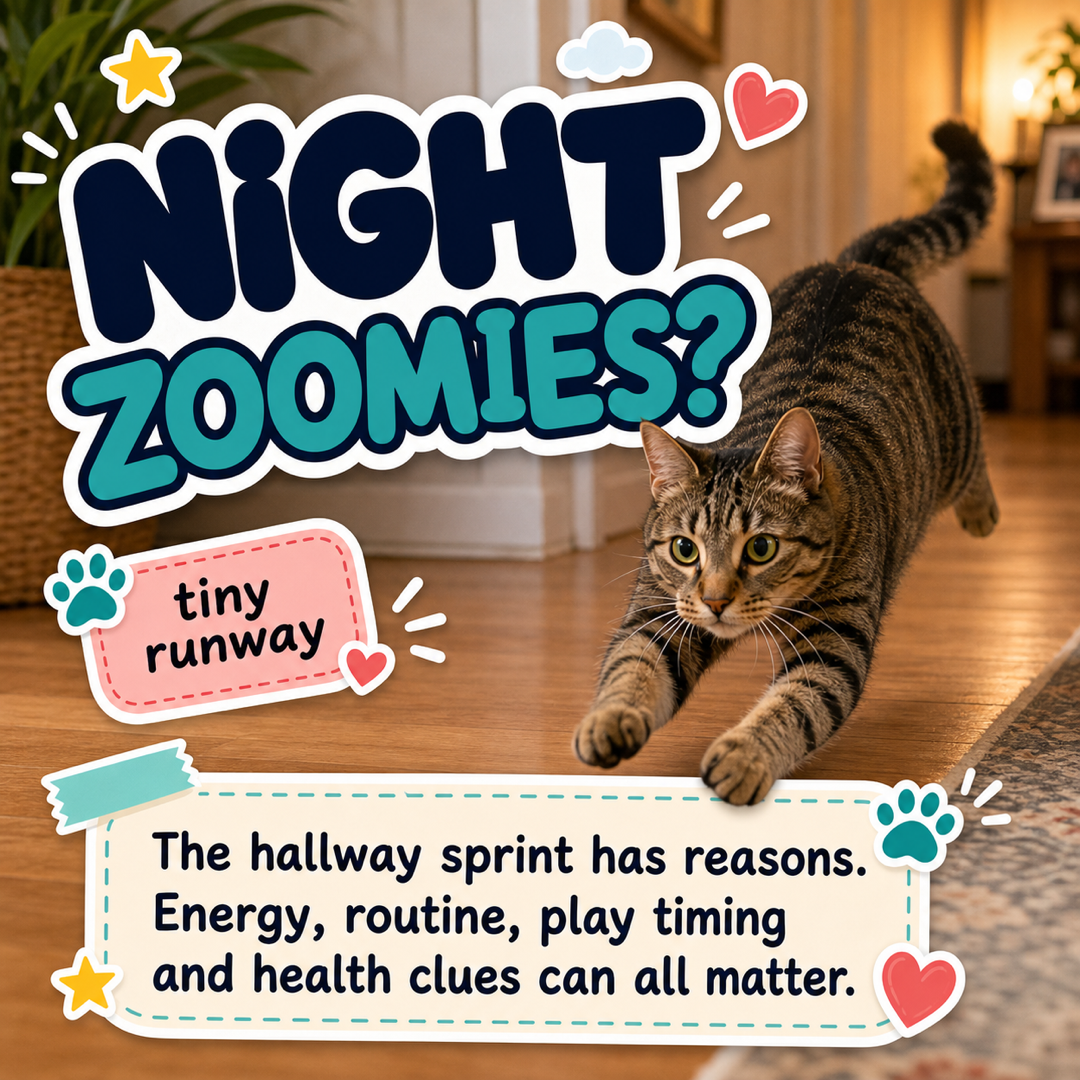
The short version is: many cats are built for short bursts of activity, especially around times of day when hunting would naturally matter. Indoor cats may also save up energy, attention, curiosity, or frustration until the quiet hours make the whole house feel like a stage.
The useful goal is not to punish the sprint. It is to understand what feeds it, give the cat better outlets earlier, and notice when a new or intense change might need a health check.
Cats are made for short bursts
Cats are not tiny dogs with different software. They are predators designed for watching, stalking, pouncing, chasing, grabbing, and then resting again. That rhythm can look very dramatic in a home, because the “prey” may be a toy mouse, a dust shadow, a blanket wrinkle, or absolutely nothing visible to the human eye.
A normal zoomie burst is often brief. The cat looks alert, loose, playful, and able to recover afterward. They may sprint, skid, hop sideways, bounce off furniture, chase a toy, or dash from room to room before suddenly acting as if nothing happened.
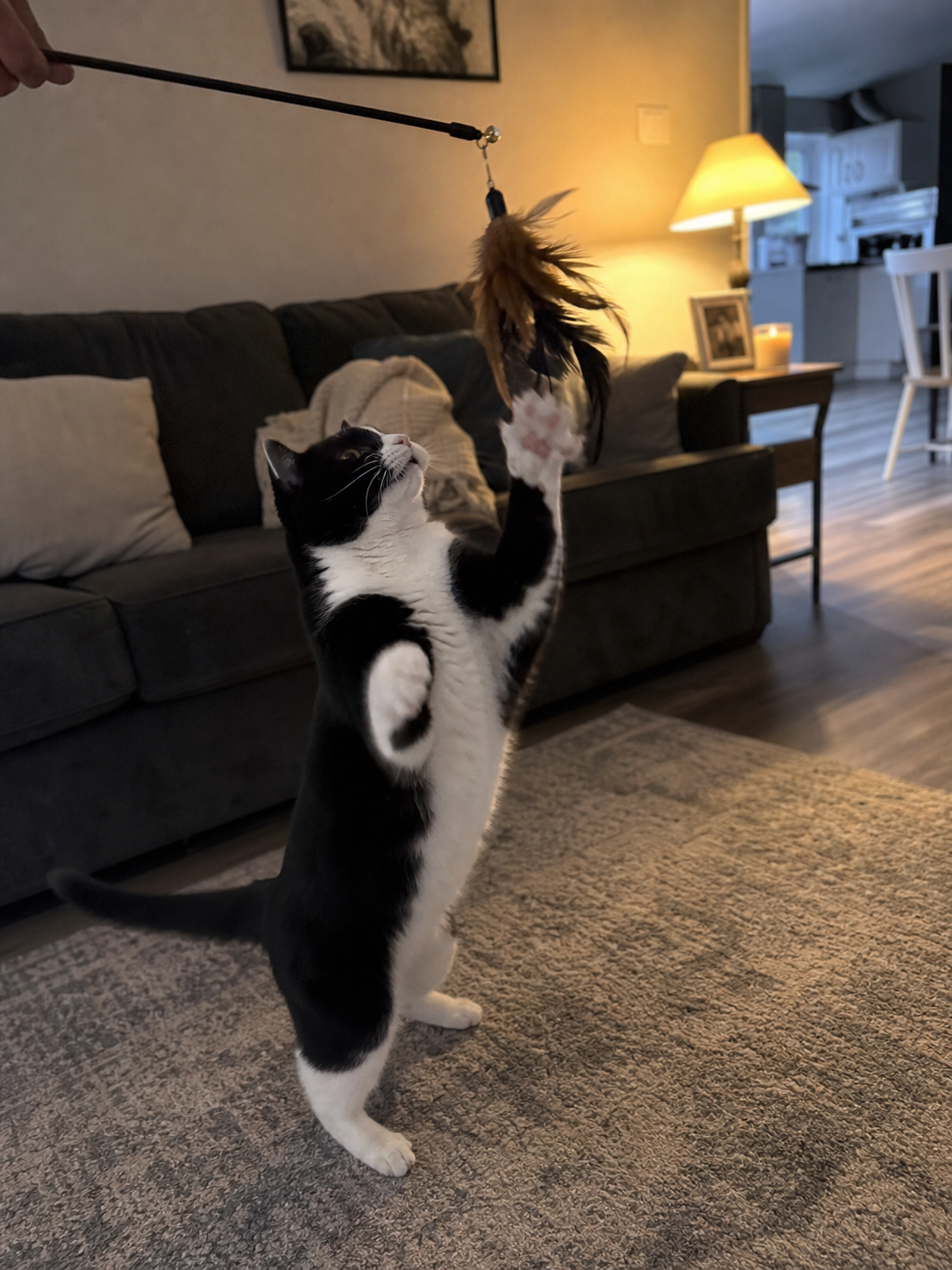
That does not mean every night sprint is automatically fine, but it does mean the behaviour has a normal cat-shaped explanation. A cat who spent much of the day sleeping may simply have a fully charged battery at the worst possible hour.
The CloudyAww version: the cat did not break. The cat’s tiny engine just found an empty runway.
Why it often happens at night
Many cats are most active around dawn and dusk, and some indoor routines push that energy later. If the day was quiet, the evening was boring, dinner was exciting, or the human finally sat down, the cat may decide this is the perfect moment to begin the presentation.
Night also changes the house. Fewer people are moving. Sounds stand out. Shadows move differently. A hallway becomes a track. A rug becomes a launch pad. A sleeping human becomes an audience member who did not buy a ticket.
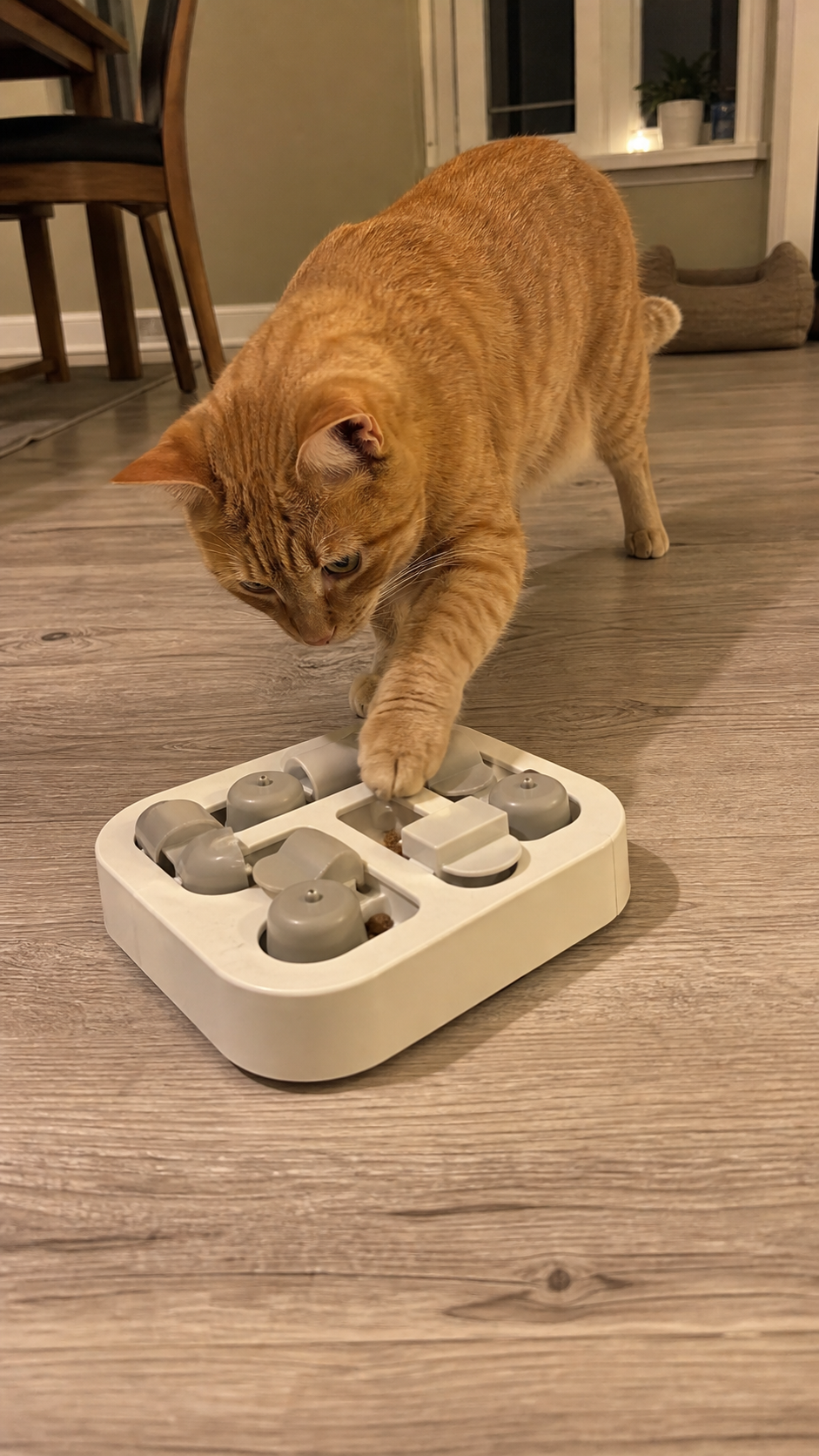
Some cats also learn that night activity works. If they meow, run, knock something, or start a dramatic doorway performance and a person gets up, feeds them, opens a door, plays, or talks, the cat may learn that the midnight show has an excellent customer-service department.
That does not make the cat bad. It means the routine is teaching something.
Make the evening more interesting
The best fix is usually not a lecture at 3 a.m. Cats are not known for appreciating bedtime meetings.
Instead, build a better evening. Give the cat a proper play session before the household winds down. Wand toys, chase games, puzzle feeders, treat hunts, cardboard tunnels, kicker toys, and safe climbing routes can all help, depending on what that cat actually enjoys.
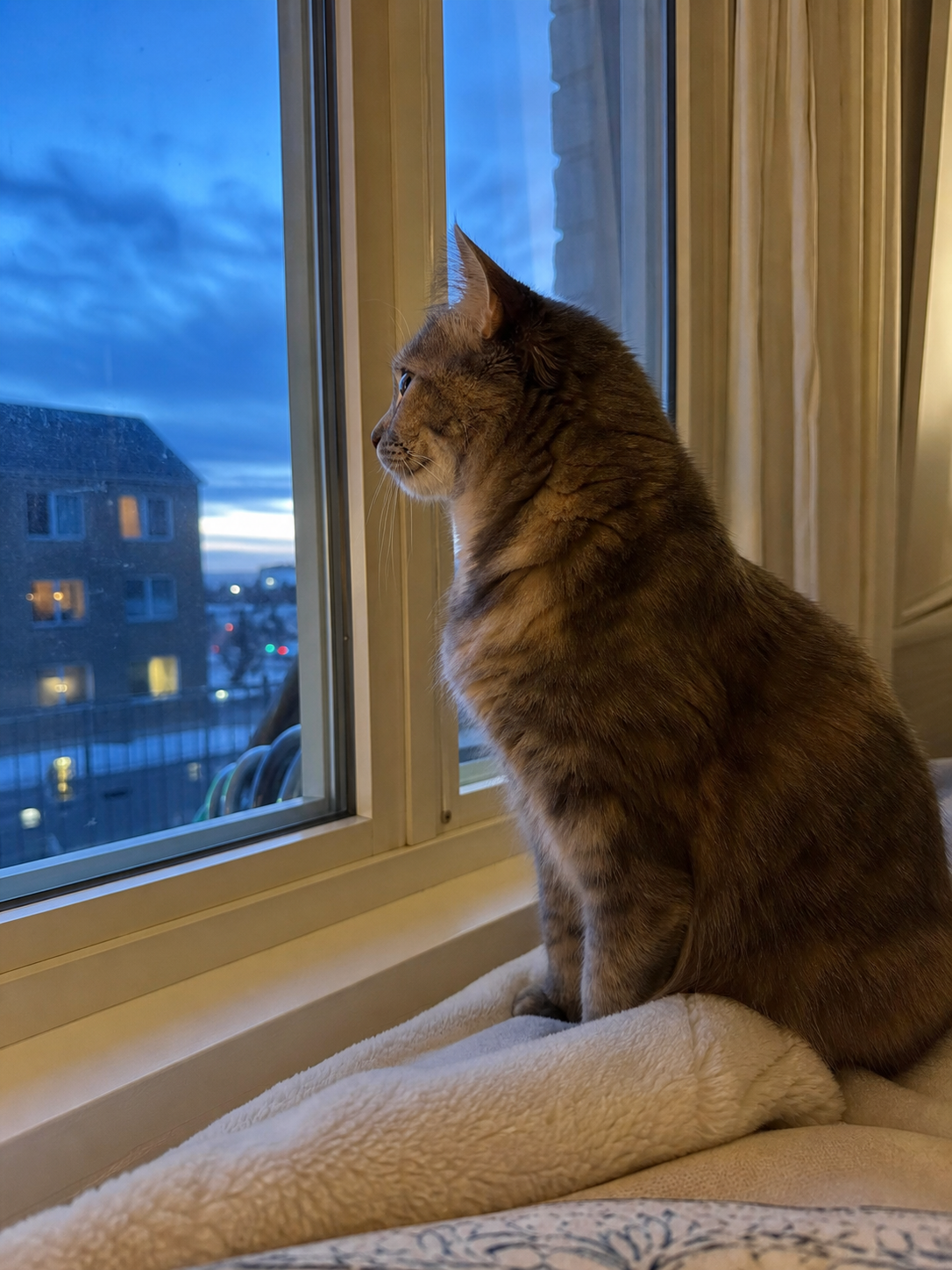
Think in little hunting pieces: stalk, chase, pounce, catch, then settle. A few minutes of focused play can be more useful than leaving toys around and hoping the cat self-manages like a tiny wellness coach.
If one toy does not work, rotate the style. Some cats love flying feathers. Some want ground movement. Some prefer crinkly toys. Some only respect a cardboard box after it has been legally investigated.
Feed, play, then let the house calm down
For many cats, a simple evening pattern helps: play first, then food or a small planned snack, then calm.
That order matters because it fits the cat rhythm better than random attention. The cat gets to move, complete the little pretend hunt, eat, groom, and settle. It does not guarantee instant peace, because cats enjoy keeping legal options open, but it gives the energy somewhere sensible to go.
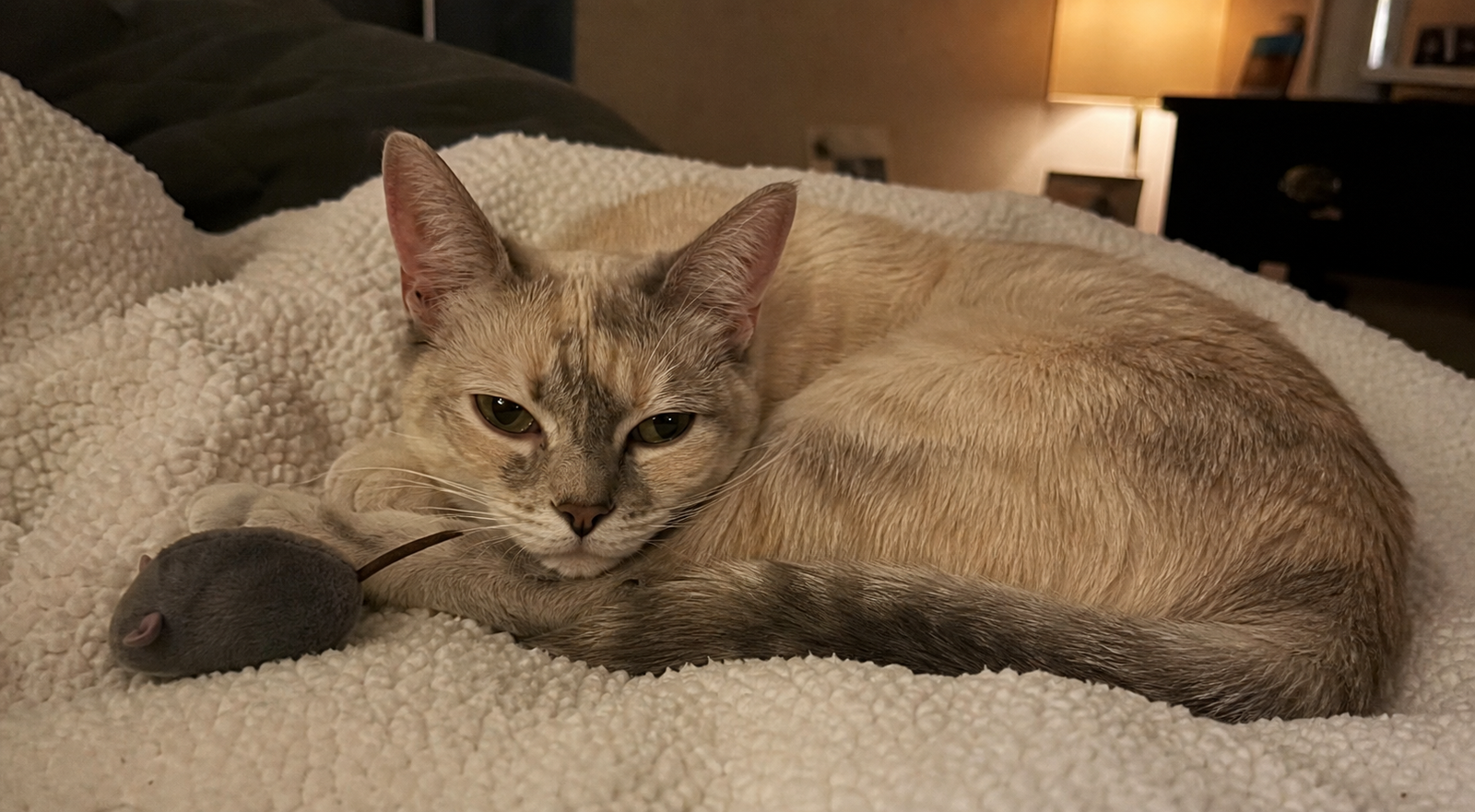
Keep the bedtime environment boring in the best way. Put away noisy toys if they become 2 a.m. percussion instruments. Make sure water, litter trays, resting spots, and safe spaces are easy to access. If the cat is allowed in the bedroom, reward calm settling. If they are not, make the out-of-bedroom setup comfortable and predictable.
The aim is not to remove all personality. The aim is to stop the hallway race from being the only interesting thing left on the schedule.
Do not accidentally reward the midnight tour
If a cat learns that night zoomies make humans get up and provide food, play, doors, or conversation, the routine can grow.
This is the awkward bit: even annoyed attention can still be attention. A sleepy “what are you doing?” may be the most exciting thing that happened all night.
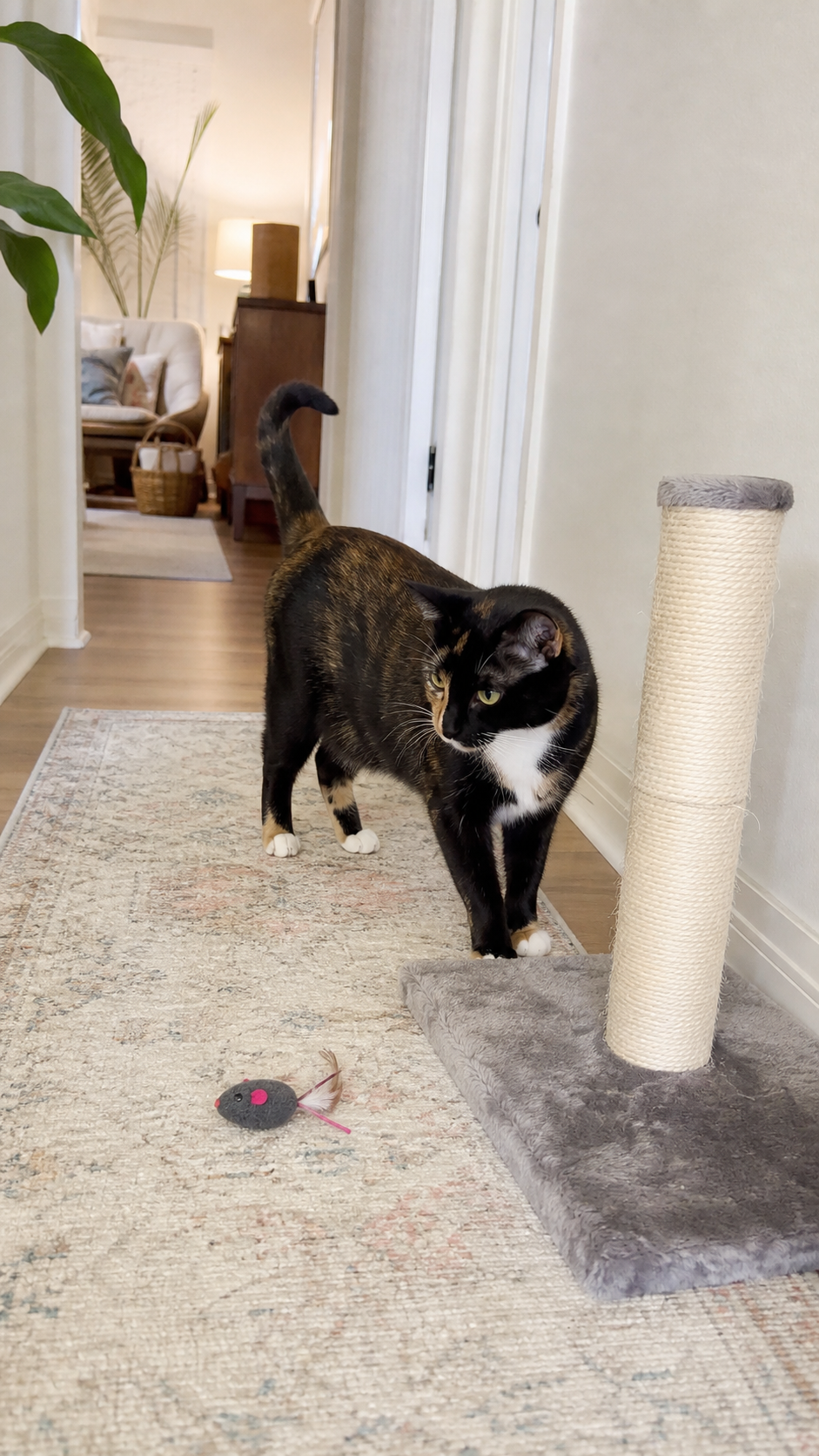
If the cat is safe and simply performing, keep night responses boring and consistent. Do not start a new play session at the exact moment you want the behaviour to fade. Move the fun earlier. Reward calm evening choices. Protect breakable objects. Close off unsafe rooms if needed.
If the cat is hungry because meals are spaced badly, use a planned feeder or earlier routine rather than random emergency snacks. If they need more daytime enrichment, add it before the chaos hour. The point is to solve the need without teaching “make noise until the human appears.”
When zoomies need a closer look
Most playful zoomies are normal. Sudden changes are different.
Ask a vet if night activity is new, intense, escalating, paired with distress, or happening in an older cat who used to sleep calmly. Also pay attention to weight loss, increased appetite, increased thirst, litter-box changes, vomiting, pain signs, weakness, confusion, pacing, hiding, aggression, excessive vocalising, or a cat who cannot settle.
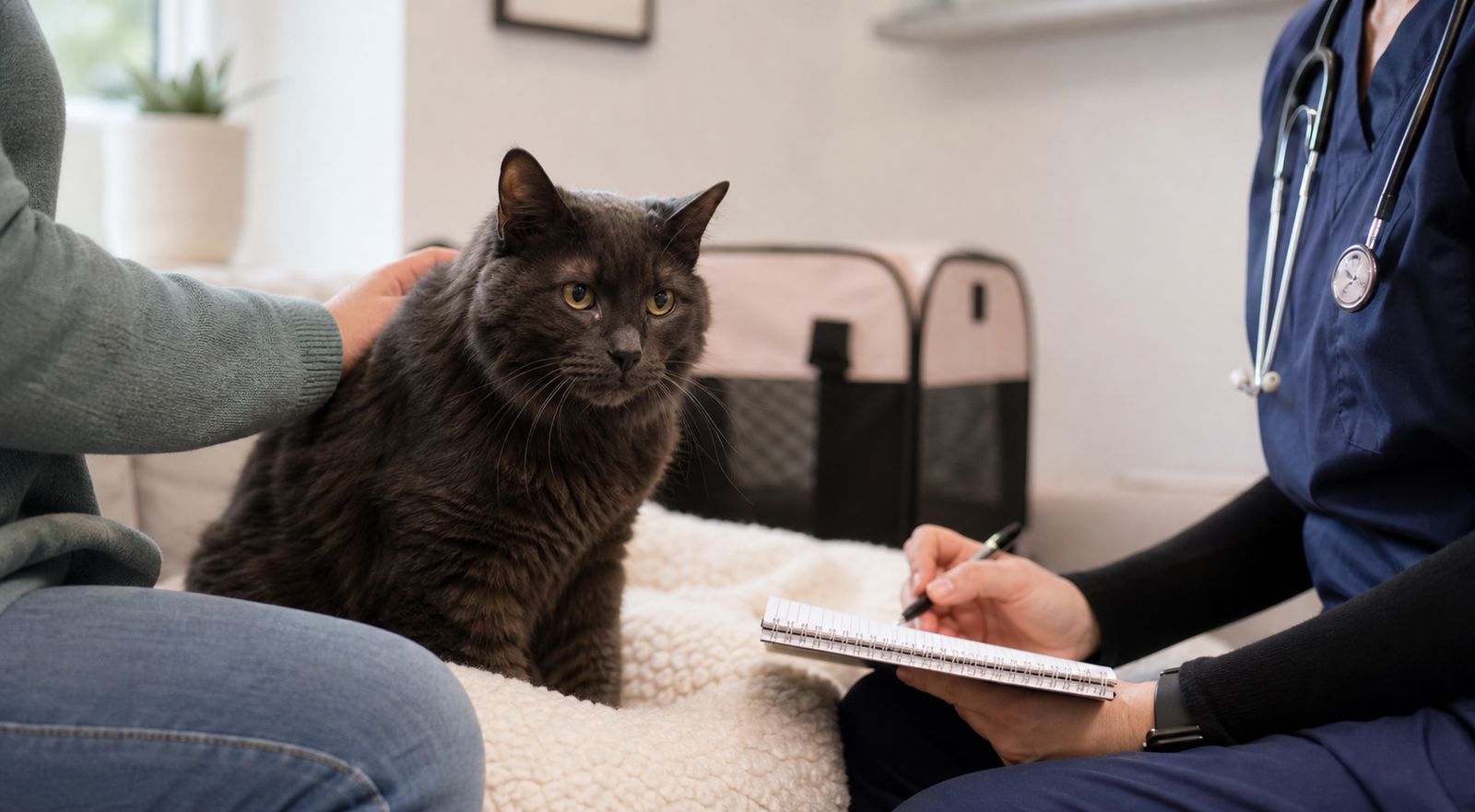
Medical issues, pain, stress, cognitive changes, and other health problems can change a cat’s activity pattern. Hyperthyroidism, for example, is one condition that can cause behaviour and energy changes in older cats, but it is not something to diagnose from a funny hallway sprint.
The safe rule is simple: if the pattern changed suddenly, feels extreme, or comes with other body or behaviour changes, do not blame the zoomies alone. Get the cat checked.
The tiny zoomies plan
Cat night zoomies usually make more sense when you stop treating them like random chaos and start treating them like energy with timing.
Give the cat better play earlier. Add little hunting-style activities. Use puzzle feeding if it suits them. Keep bedtime boring and predictable. Avoid rewarding the exact midnight performance you want less of. Watch for health or stress changes, especially in older cats.
And when the hallway suddenly becomes a private racetrack, yes, it can be ridiculous.
But underneath the tiny sprint committee, there is usually a cat-shaped reason: energy, routine, instinct, attention, or a body clue worth noticing.
More tiny pet logic lives across CloudyAww, where the funniest animal moments usually have a small real reason hiding underneath them.
Keep following the behaviour trail with Why Cats Knock Things Off Tables, What to Do When Your Cat Scratches the Sofa, and Why Do Pets Choose the Weirdest Places to Sit or Sleep?. More warm, practical pet explainers live in Aww Articles.
Sources and Further Reading
- AAFP/ISFM: Feline environmental needs guidelines
- International Cat Care: Playing with your cat
- Cornell Feline Health Center: Hyperthyroidism in cats
- Animal Humane Society: Cat keeping you awake