

The tiny eye message might be softer than it looks
Some cat communication arrives loudly. A meow in the hallway. A paw on the keyboard. A tail with opinions. Then there is the slow blink: tiny, quiet, and somehow more dramatic because nothing actually happens very fast.
A cat looks at you, lets the eyes soften, closes them a little, and opens them again as if sending a very small private note.
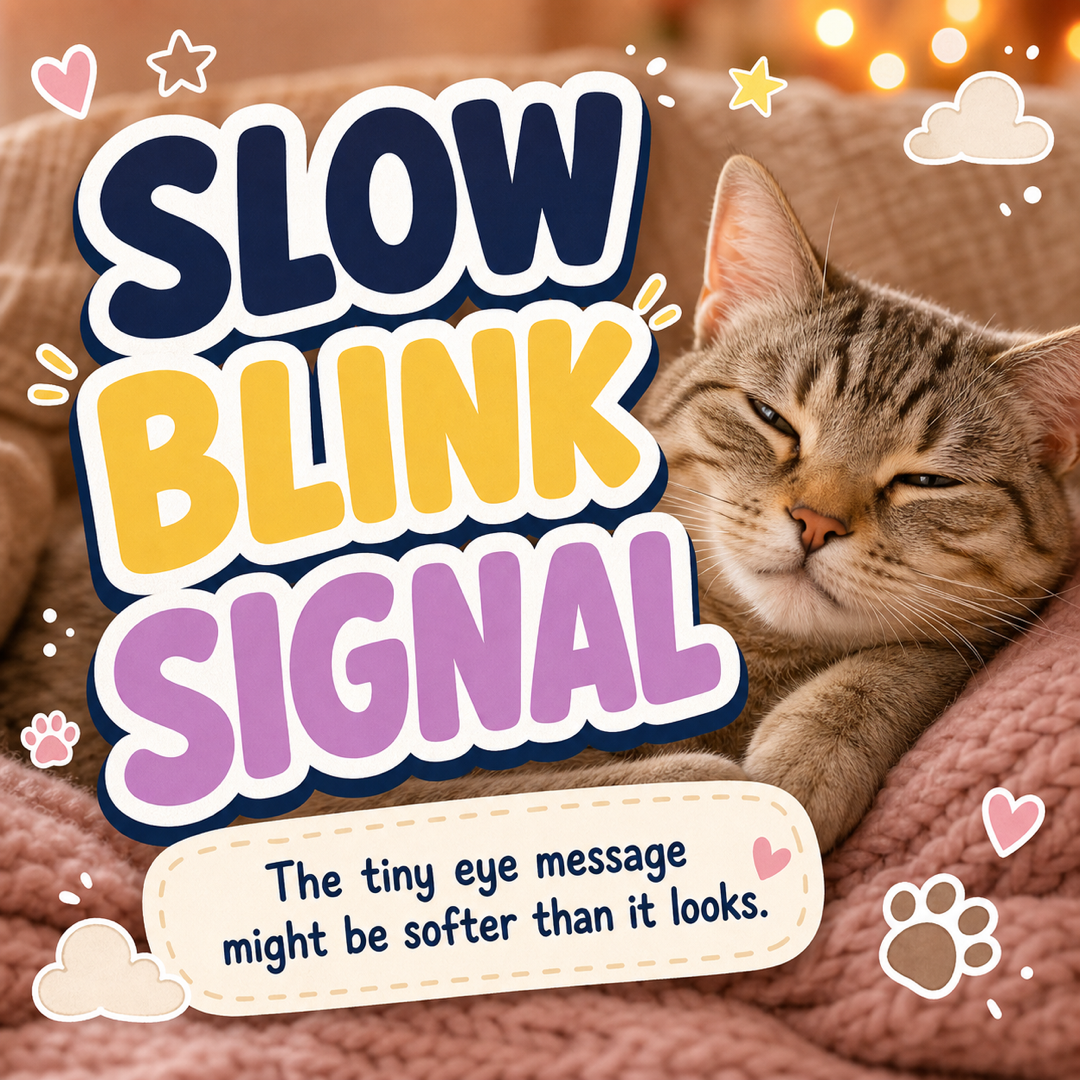
It is tempting to translate that as “my cat loves me” every time. Sometimes that may be close enough for household poetry. The more useful version is softer and more careful: a slow blink often appears in relaxed, positive contexts, but it should be read with the whole cat, not just the eyelids.
The useful question is not only “did my cat blink?” It is: what does the rest of the cat say while the eyes go soft?
Slow blinking is real cat communication
The slow blink is not just internet pet-language folklore. A 2020 study in Scientific Reports looked at cat eye-narrowing movements in cat-human communication. The researchers described slow blink sequences as half-blinks followed by eye narrowing or eye closure, and found that cats showed more of these movements in response to human slow-blink cues than in control conditions.
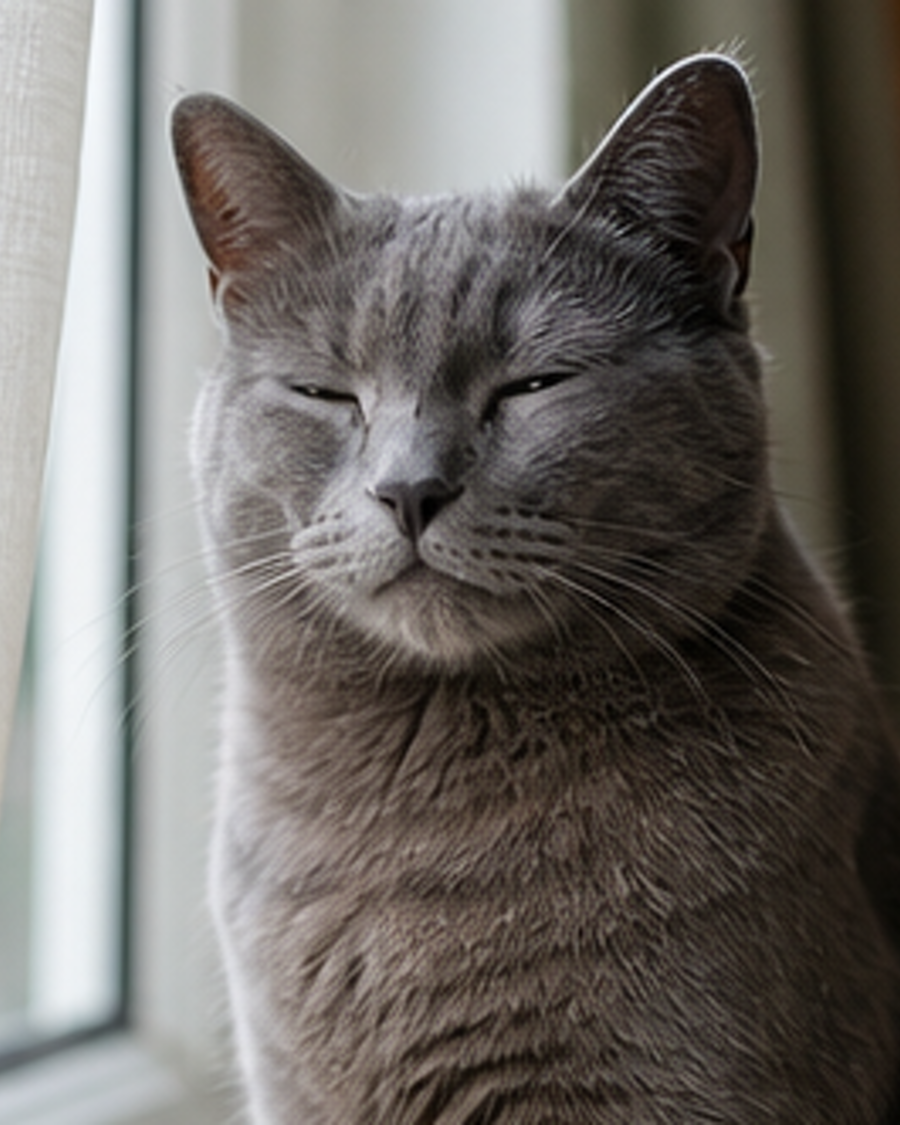
In another part of the study, cats were more likely to approach an unfamiliar experimenter after the person used a slow-blink expression than after a neutral expression. That does not mean slow blinking is a magic cat remote control. It means the tiny eye movement can be part of a positive, low-pressure social exchange.
The CloudyAww version: the cat may not be signing a legal document of affection. But they might be sending a very calm “we are okay” from across the sofa.
Look at the whole cat, not just the eyes
Eyes matter, but cats rarely communicate with one body part at a time.
A relaxed slow blink usually comes with other soft signals. The body may be loose. The ears may sit forward or relaxed rather than flattened. The whiskers may look neutral instead of pushed tightly forward or back. The cat may be lying comfortably, sitting calmly, or choosing to stay near you without looking trapped.
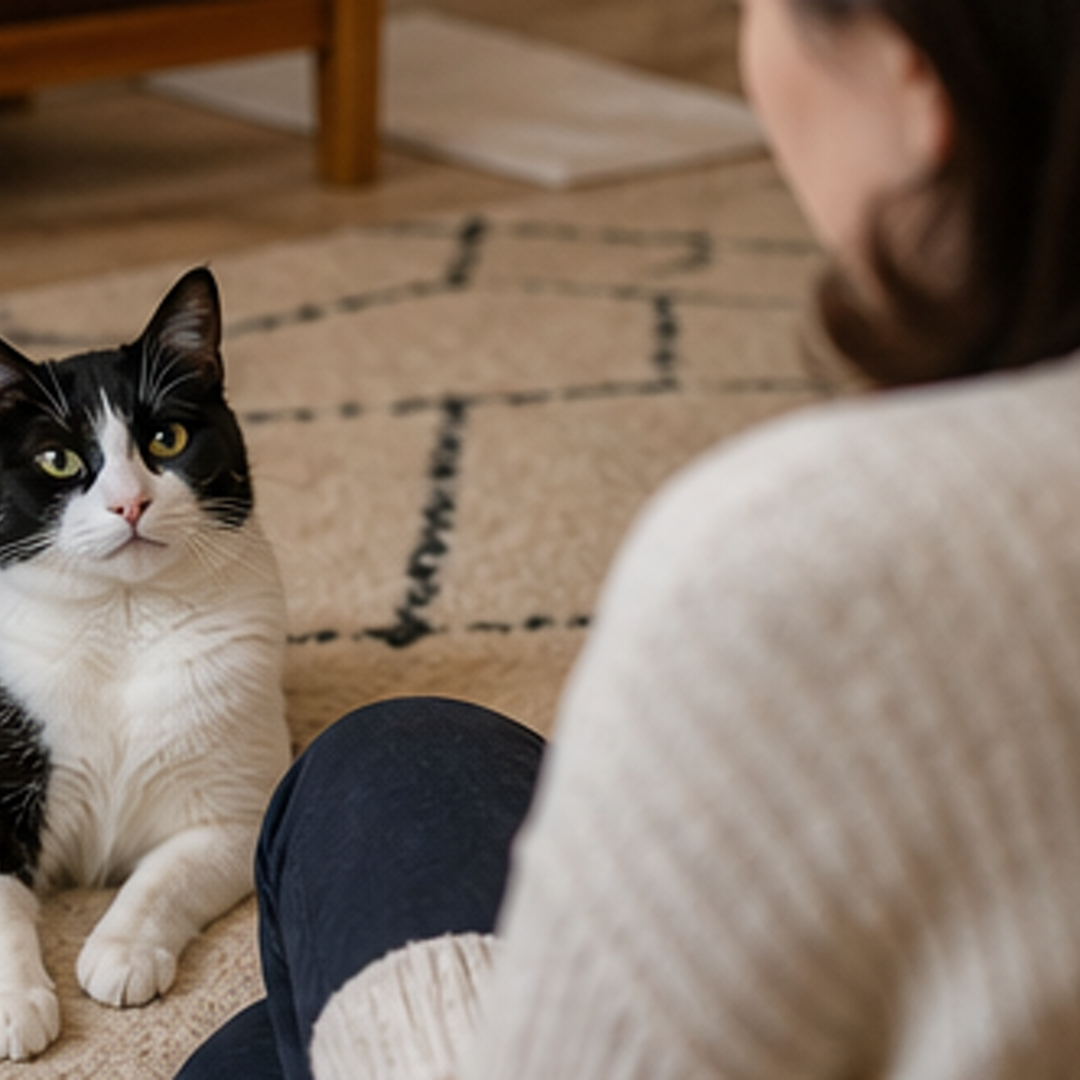
Cats Protection lists slow blinking among happy-cat signals and also notes that relaxed cats may have eyes shut or half closed, relaxed ears, and relaxed whiskers. That combination is the important bit. Half-closed eyes on a comfortable cat can feel very different from narrowed eyes on a tense cat.
If the body is stiff, low, hiding, frozen, tail-thumping hard, ears pinned, pupils huge, or the cat is trying to leave, do not treat the blink as an invitation. The eyes may be only one small clue inside a much bigger sentence.
Why staring can feel rude to a cat
Humans use eye contact for attention, affection, confidence, listening, and sometimes “please stop doing that to the houseplant.” Cats may not read a steady human stare the same way.
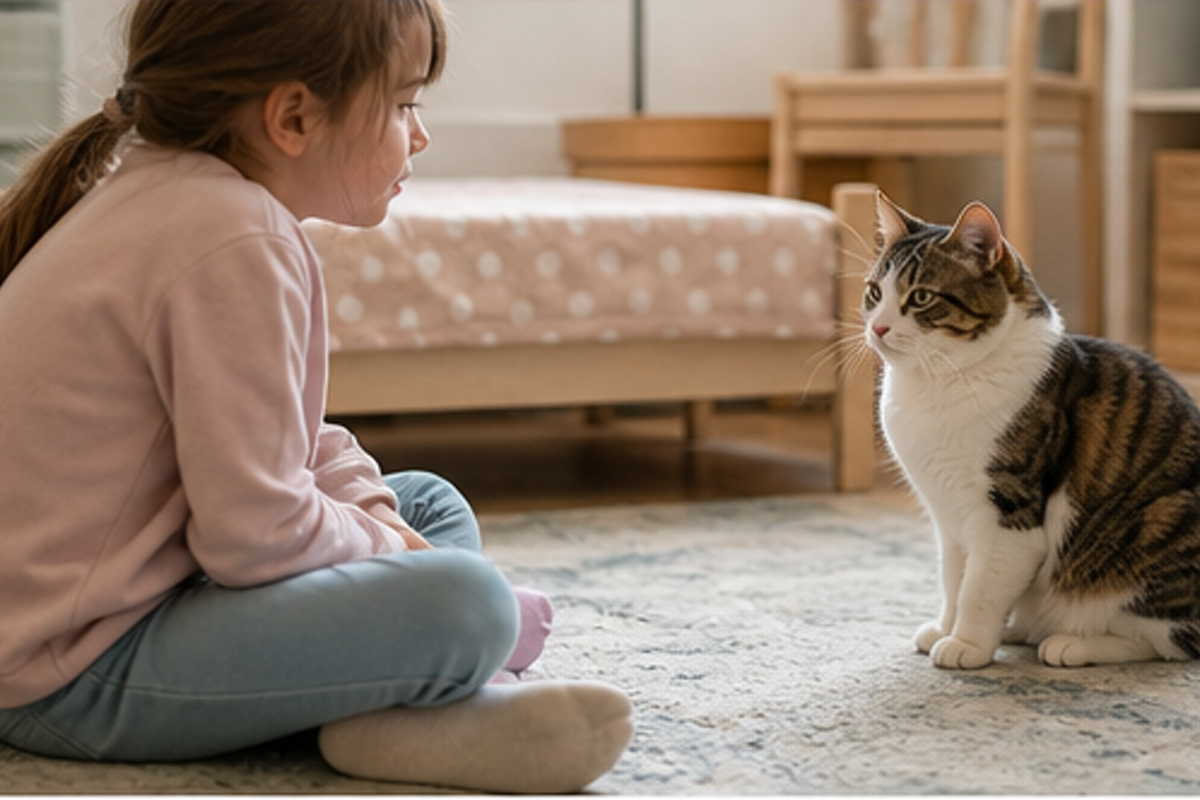
Cats Protection advises not to stare at cats because it can feel threatening or scary to them. The slow blink works partly because it is the opposite of a hard stare. It softens the face, reduces pressure, and gives the cat a chance to respond or ignore you without being crowded.
Think of it less like shouting “I love you” with your eyeballs and more like lowering the volume in the room.
If your cat is new, shy, sleepy, eating, hiding, using the litter tray, or already unsure, the kindest communication may be space. A slow blink from a respectful distance is better than leaning in close and asking the cat to approve your face immediately.
How to slow blink back without making it weird
The simple version is: soften your eyes, blink slowly, and look slightly away.
Sit or stand at a comfortable distance. Let your face relax. Avoid looming over the cat. Slowly close your eyes for a moment, open them gently, and then give the cat room to choose what happens next. If they blink back, stay calm. If they look away, also stay calm. If they leave, congratulations, you have received a very clear reply.
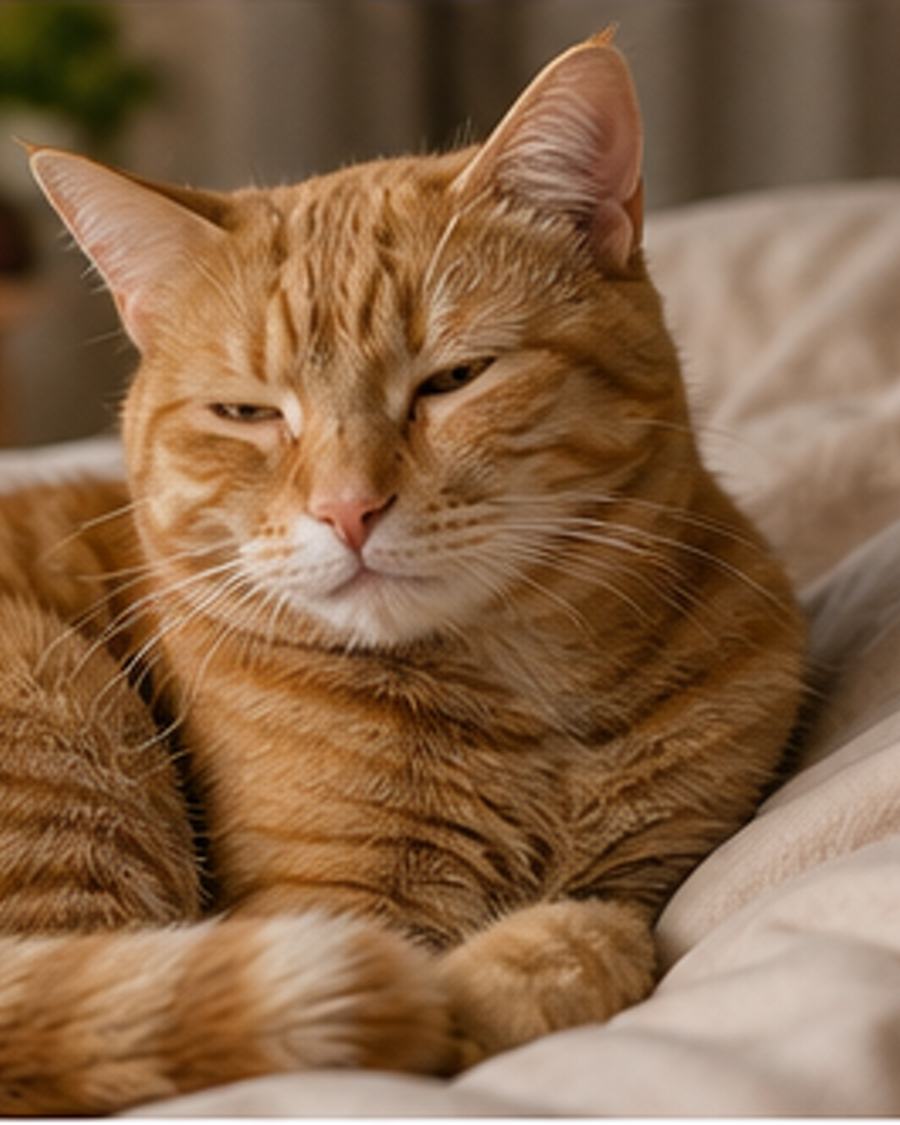
Do not repeat it like a broken hallway light. One or two gentle blinks is plenty. The goal is not to win a staring contest in reverse. The goal is to show that you are calm, safe, and not about to grab anyone.
Some cats respond often. Some respond rarely. Some are more expressive with head bumps, purring, sitting nearby, rolling on a rug, following you between rooms, or quietly occupying the exact corner of the bed you were about to use. Different cats have different social handwriting.
A slow blink is not a consent form
This part matters. A cat slow blinking at you does not automatically mean “please pick me up,” “touch my belly,” or “approach at once with both hands.”
It may mean the cat feels relaxed around you in that moment. The next step should still be gentle and optional. Offer a finger or hand from the side at a respectful distance. Let the cat choose whether to sniff, rub, move closer, or do absolutely nothing.
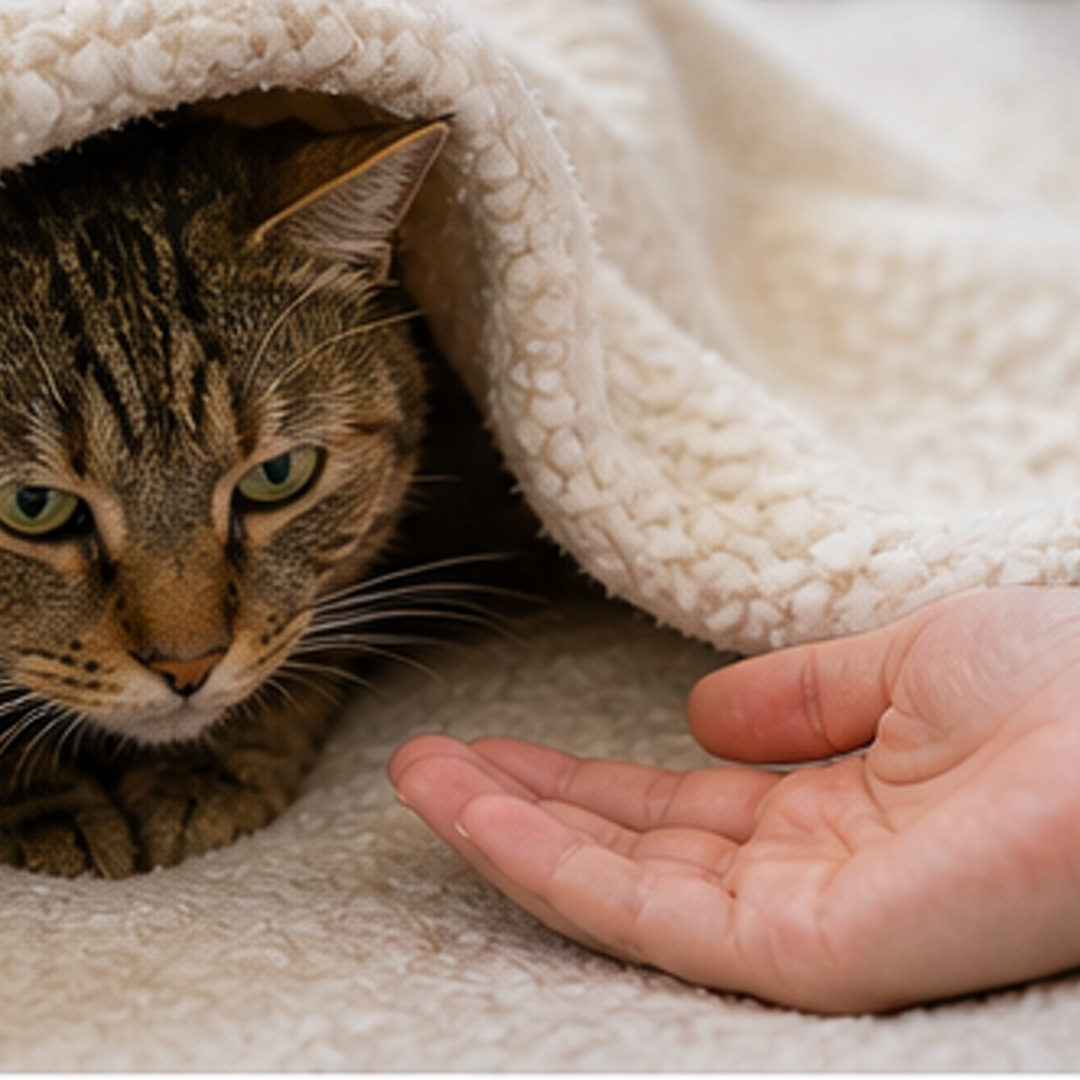
If the cat leans in, rubs, stays loose, or settles, that is useful information. If they turn away, duck, freeze, swish the tail, flick the ears, or move off, believe that too. Trust is easier to keep when the cat can say no without a small household incident.
The sweetest slow blink is not the one that turns into forced cuddles. It is the one that says, “I noticed your tiny signal, and I will not ruin it by becoming too much.”
When soft eyes are actually a warning sign
There is a difference between a relaxed slow blink and a cat squinting because an eye hurts.
Ask a vet if your cat has sudden or repeated squinting, one eye held closed, redness, swelling, cloudiness, discharge, pawing at the eye, sensitivity to light, a visible third eyelid, bumping into things, or any fast change in eye comfort or behaviour. Eyes can become painful quickly, and it is better to check early than to guess from across the room.
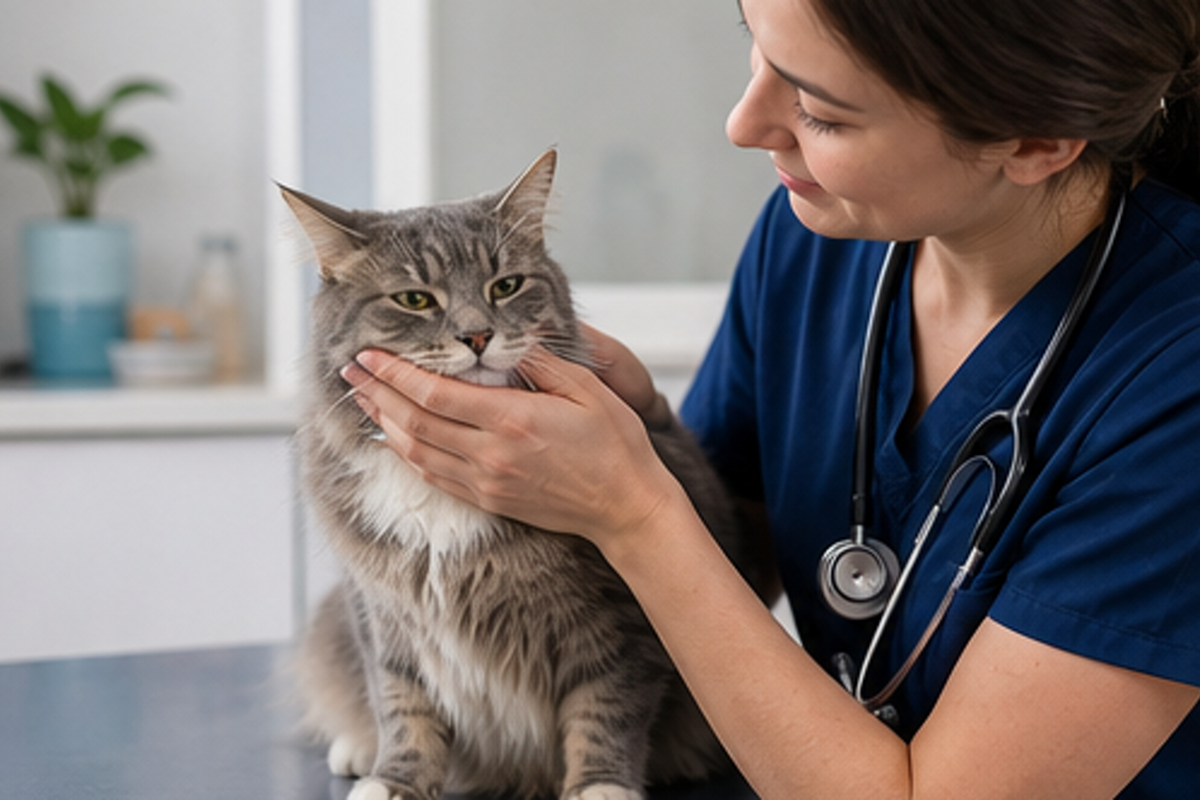
Context helps here too. A relaxed cat slowly blinking with both eyes while resting is one thing. A cat keeping one eye closed, rubbing it, or looking irritated is another. The first can be a tiny friendship note. The second is not a cute personality trait. It is a vet question.
If your cat’s body language changes suddenly, or they become withdrawn, grumpy, unusually clingy, less active, or less interested in food, do not blame the vibe. Cats are excellent at making discomfort look like mysterious cat business until it is not mysterious anymore.
Build trust in tiny repetitions
Slow blinking works best as part of a bigger low-pressure relationship.
Let the cat choose contact sometimes. Keep predictable routines. Give hiding spots, resting places, scratching options, play, food puzzles, and quiet exits. Avoid chasing, grabbing, teasing, or forcing social moments. Notice when the cat asks for less as well as when they ask for more.
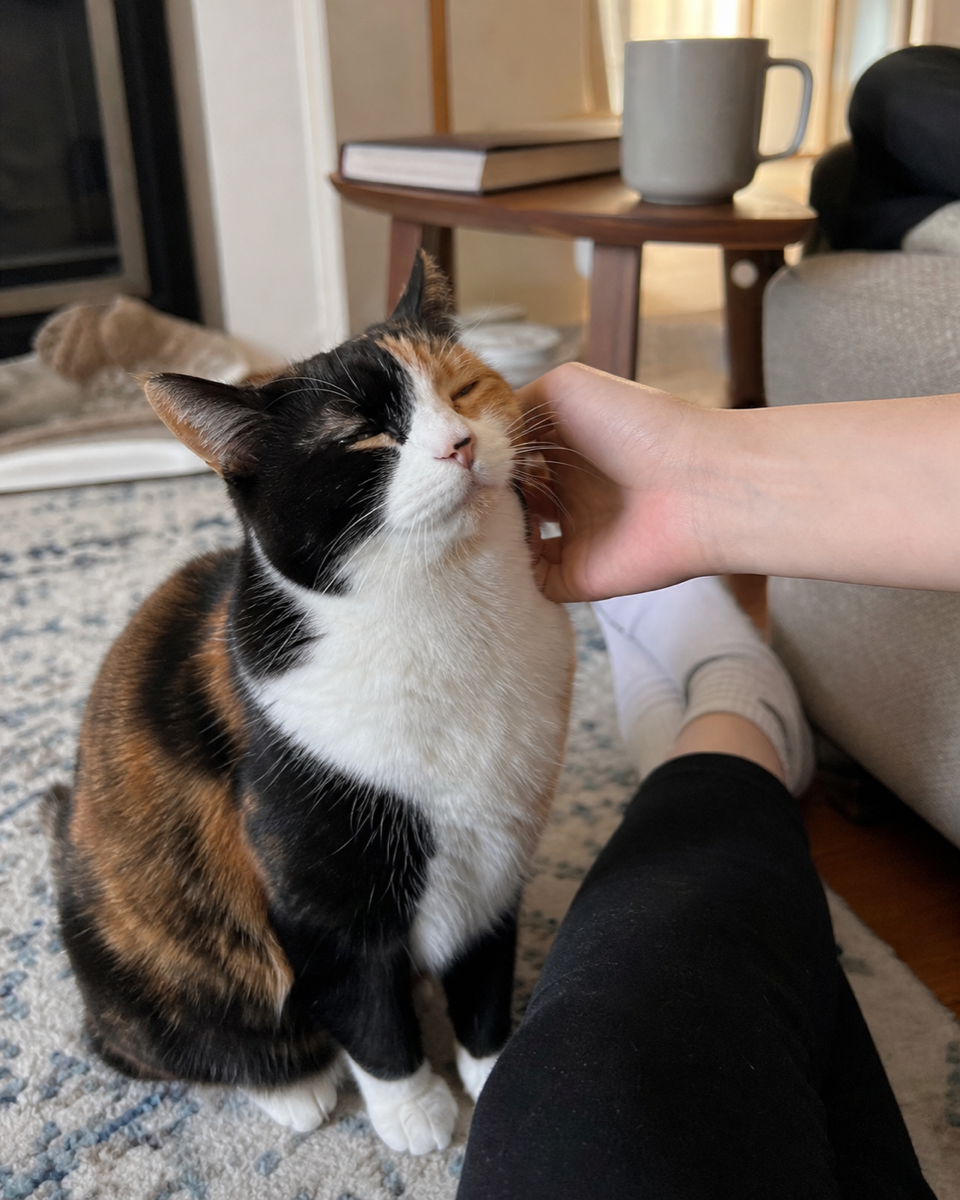
A cat who can leave safely is often more willing to stay. A cat who is not pressured to interact may become braver about choosing interaction. This is one of those annoying truths that sounds too simple and then quietly fixes half the room.
You do not need to turn every blink into a training plan. Just become the kind of person whose presence does not make the cat brace for impact.
The CloudyAww read
A slow blink can be one of the softest little signals in cat life. It may mean relaxation, trust, comfort, or a friendly low-pressure moment. It may also mean very little if the rest of the cat disagrees. The eyes are important, but they are not the entire meeting.
Read the whole cat. Blink gently back if the moment feels calm. Do not stare. Do not rush in. Let the cat choose the next sentence.
And if your cat closes their eyes at you from across the room like they have sent a tiny encrypted message, yes, you may feel honoured. Just do not immediately ruin the ceremony by trying to pick them up like a trophy.
More tiny pet logic lives across CloudyAww, where the funniest animal moments usually have a small real reason hiding underneath them.
Keep following the behaviour trail with Why Do Cats Hiss at Their Own Reflection? and Tiny Guide To Cat Night Zoomies. More warm, practical pet explainers live in Aww Articles.
Sources and Further Reading
- Scientific Reports study: The role of cat eye narrowing movements in cat-human communication
- Cats Protection: Why do cats slow blink?