

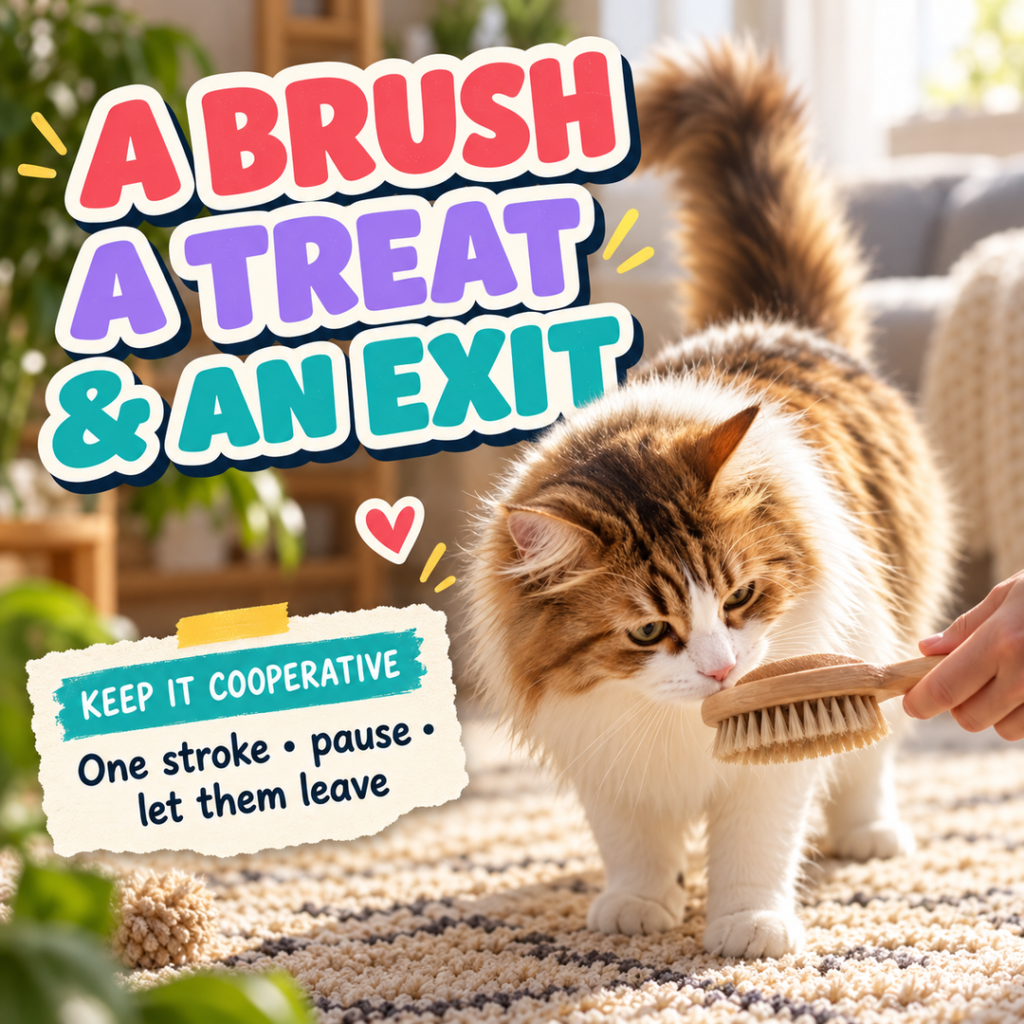
A Brush, a Treat and an Exit: Make Cat Grooming Easier
Learn how to groom a cat with short, cooperative sessions, the right brush and a clear exit—plus warning signs that need professional help.
Explore cute pet stories, funny animal behaviour, dog and cat facts, cozy pet care tips, and heartwarming animal moments from the CloudyAww world.
Learn how to groom a cat with short, cooperative sessions, the right brush and a clear exit—plus warning signs that need professional help.

Build a kinder senior pet home setup with better grip, shorter routes, easier beds and practical clues for when a vet should help.

Your cat’s water bowl location matters. Learn how to offer quiet, clean, accessible water stations—and when drinking changes need veterinary advice.
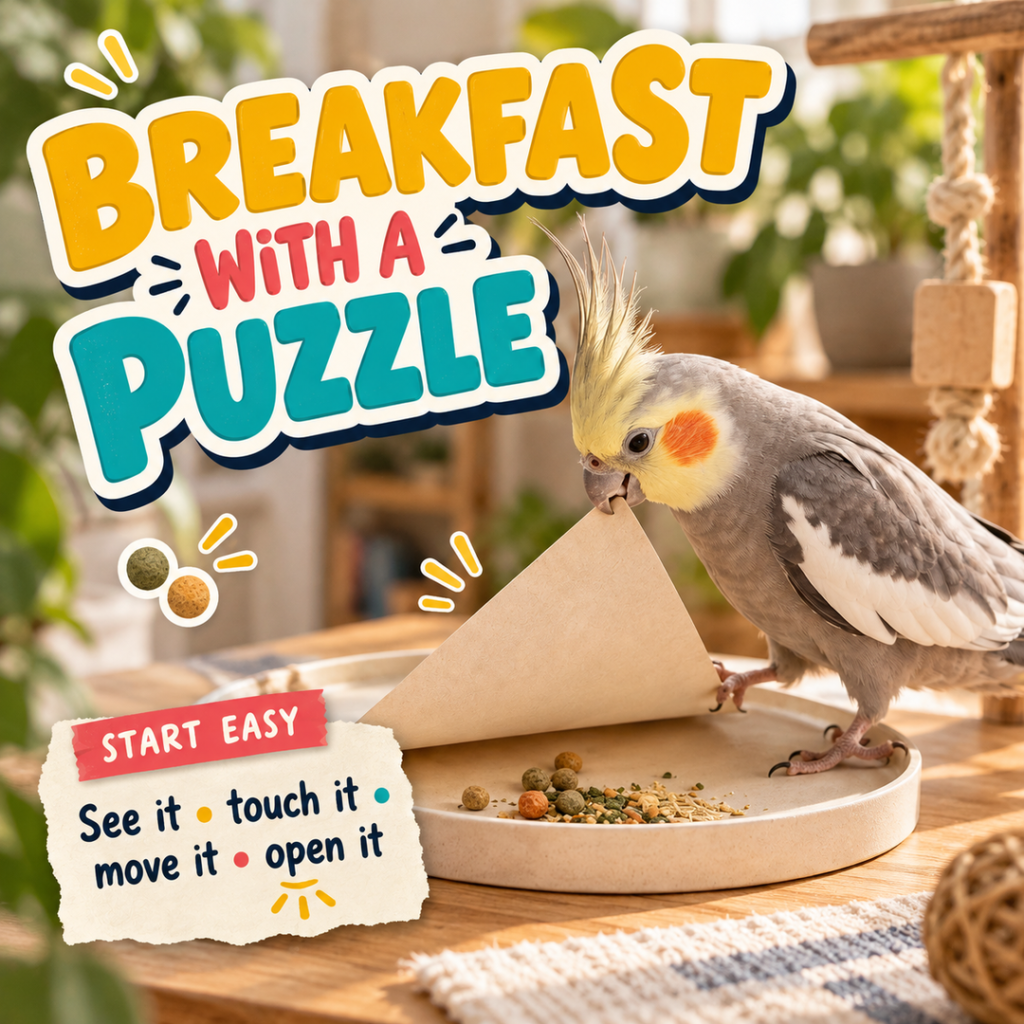
Start pet bird foraging with visible food, easy choices and safe materials. Build a gentle enrichment ladder without turning breakfast into a test.

Why do dogs lick their paws? Learn how to check for debris, irritation, pain and patterns—and when repeated licking needs veterinary advice.
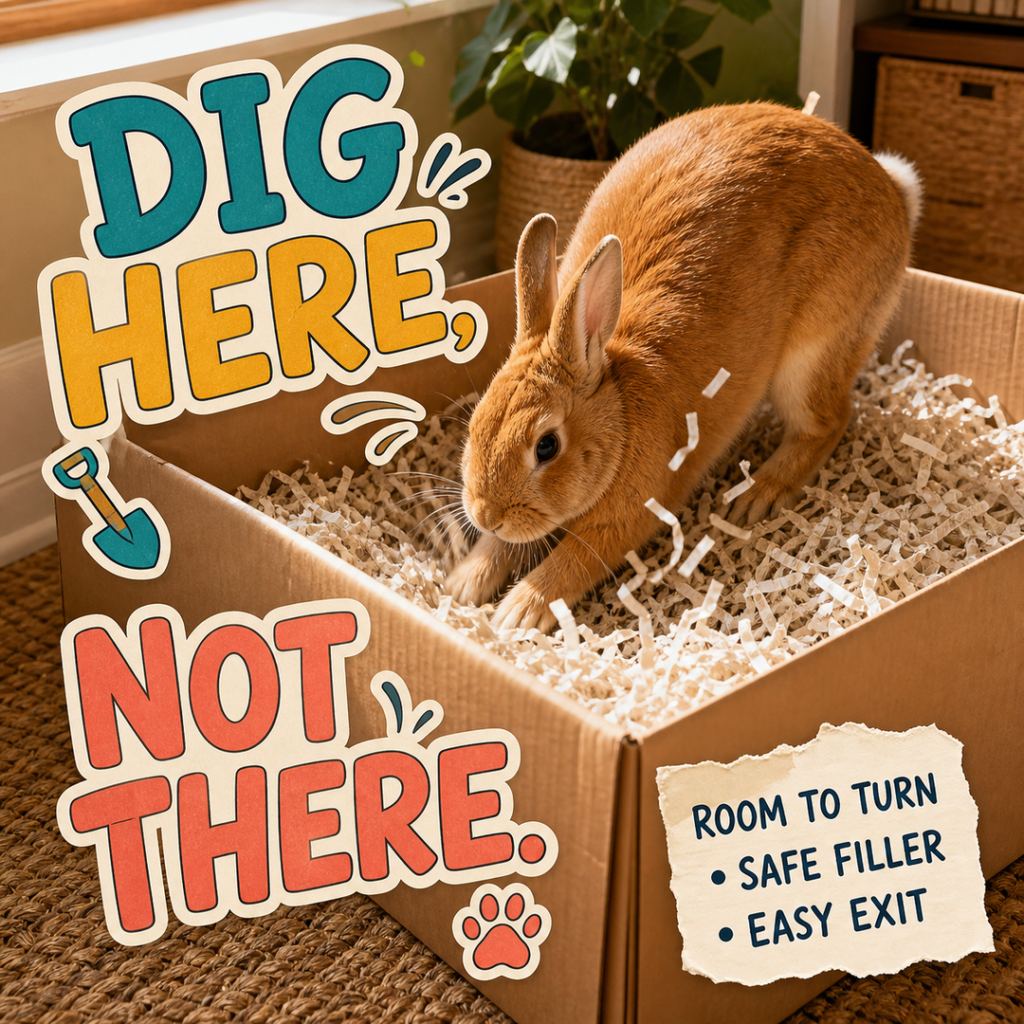
Build a rabbit dig box with enough room, a stable container, suitable filler and an easy exit—then keep it clean, optional and genuinely useful.
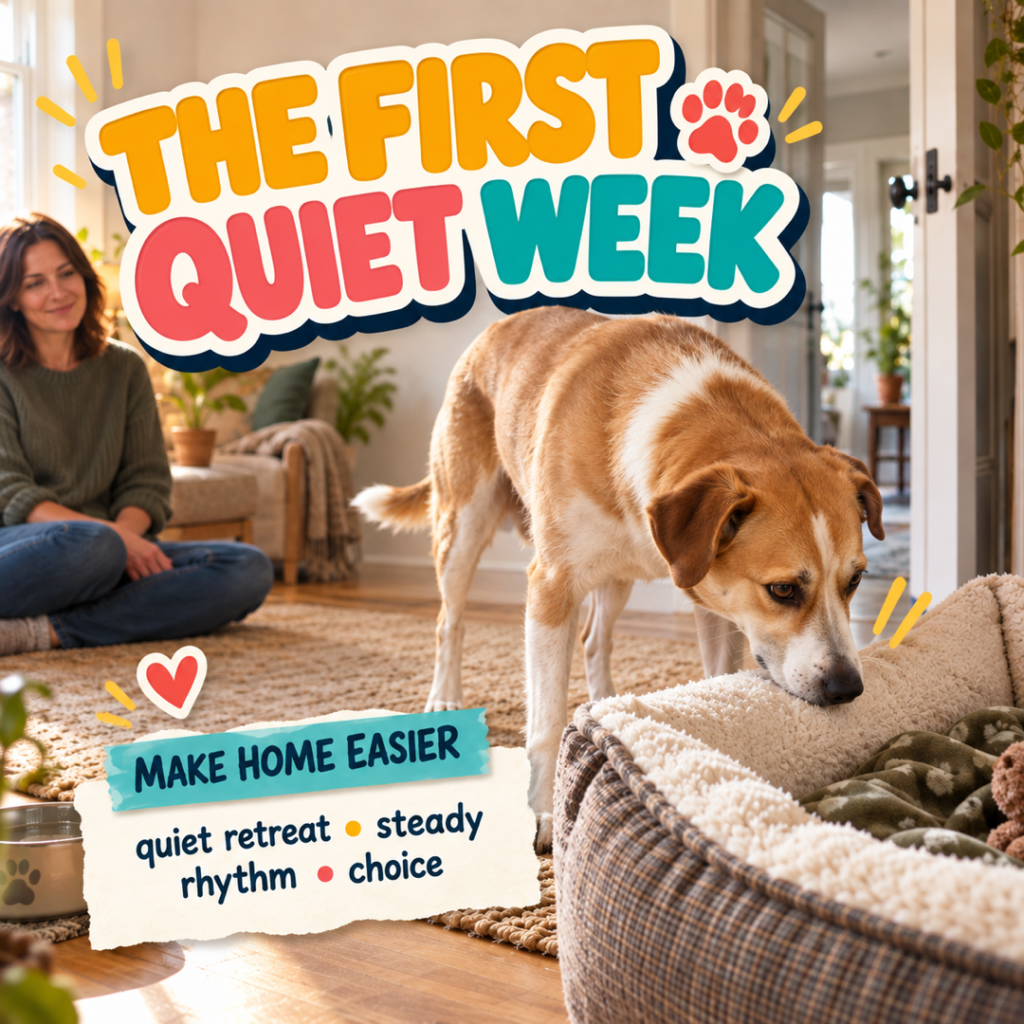
A calm, evidence-led first-week plan for helping a newly adopted rescue dog feel safer, understand the household and begin settling at their own pace.
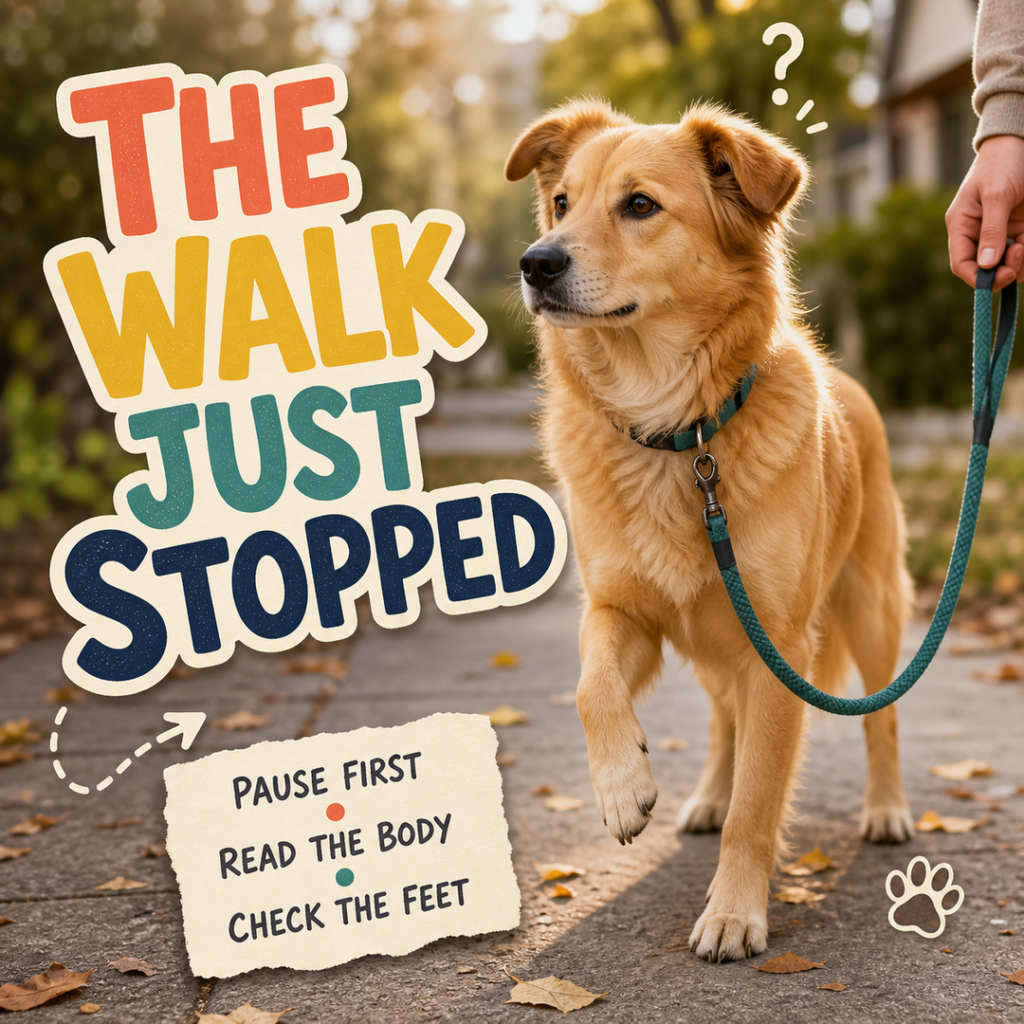
If your dog suddenly freezes on a walk, pause before pulling. Learn how to read the scene, create space, check for pain and choose a calmer next step.
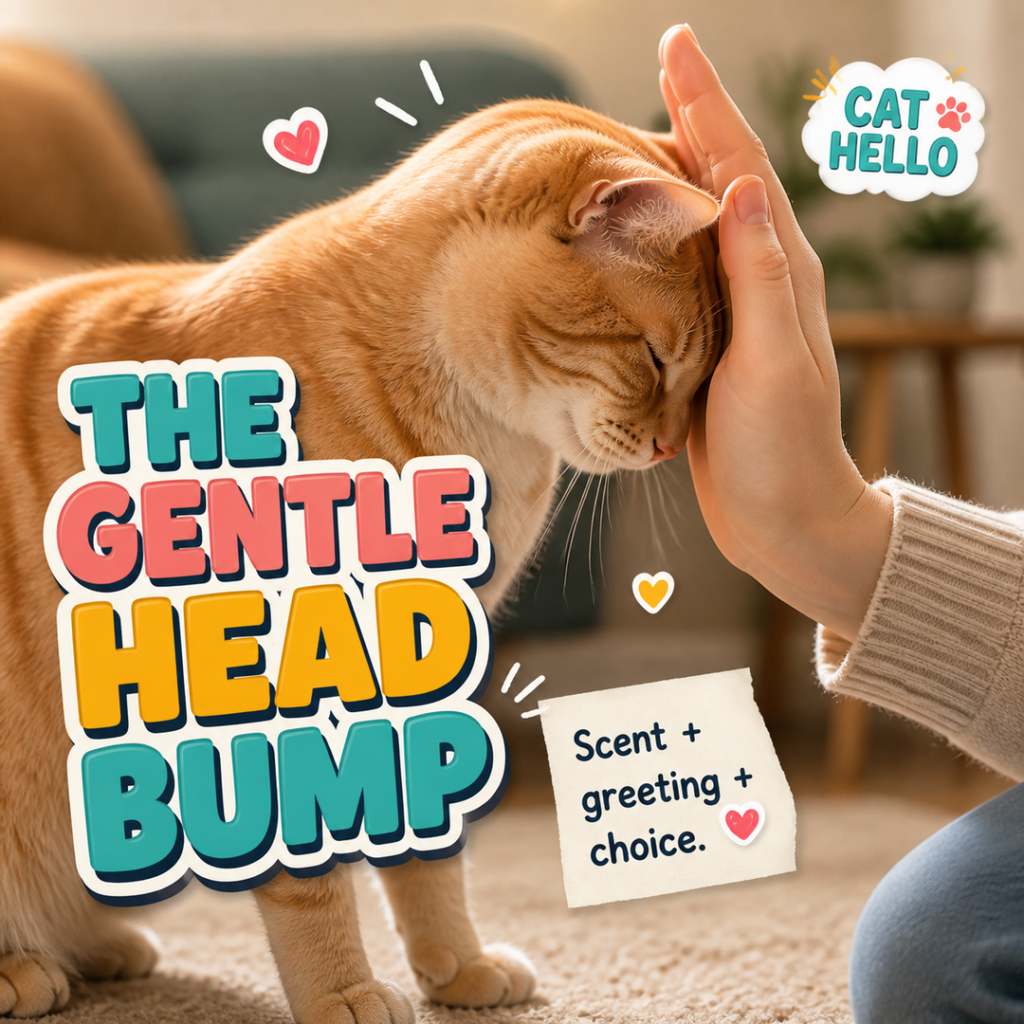
A cat’s gentle forehead bump can combine greeting, familiar scent and social contact. Learn how to read the whole moment, respond with choice and tell bunting from worrying head pressing.
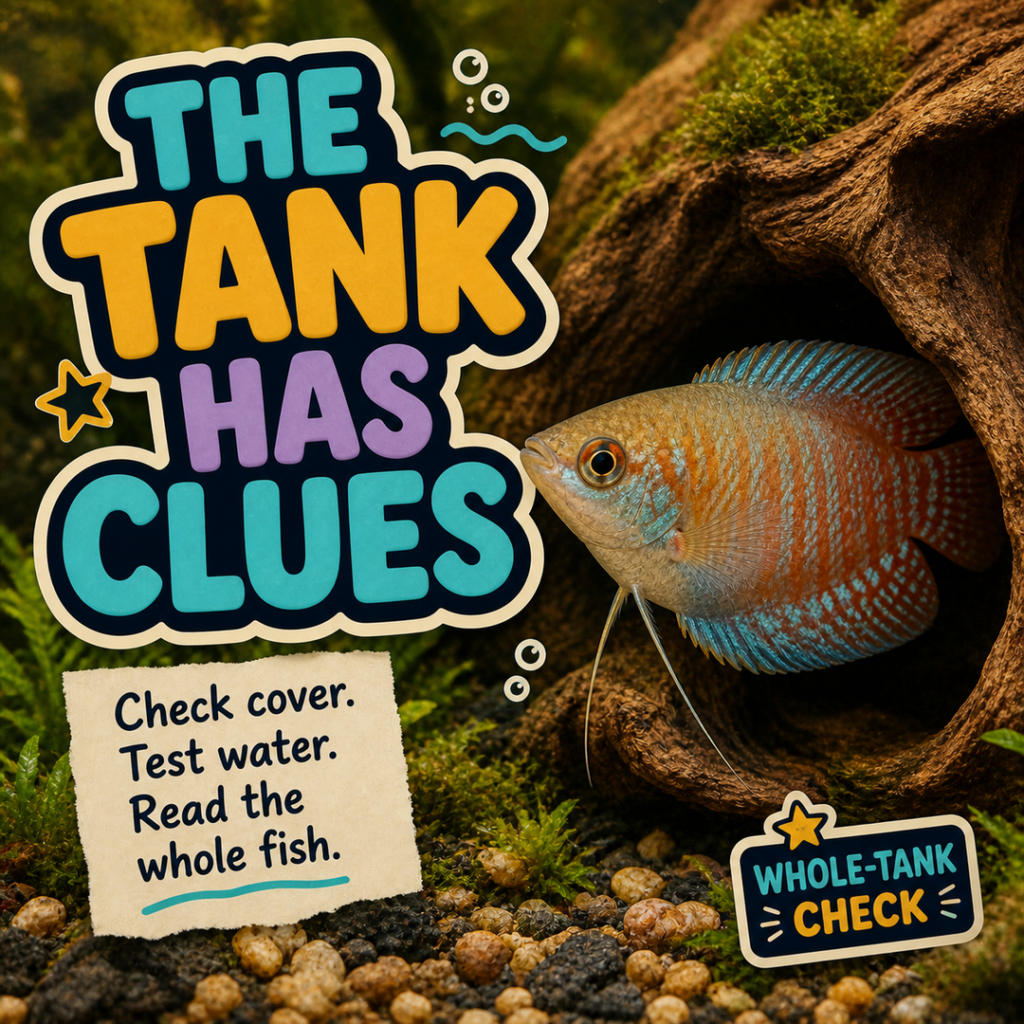
A hiding fish may simply be using cover, but a sudden change can reveal a tank problem. Learn how to check water, breathing, social pressure and the whole aquarium.

Purring often belongs to a comfortable cat, but it cannot rule out stress or pain. Learn how posture, routine and sudden changes help you read the whole moment.

A dog play bow is a friendly invitation, but the reply matters too. Learn how to read loose movement, role swaps, consent checks and the signs that play needs a pause.

A brief head tilt can be part of listening or curiosity. Learn what research suggests, how to read the whole dog and when a persistent tilt needs a vet.

Some cats really do play fetch—often without training. Learn why the game happens, how to join safely and when to let your cat call time.
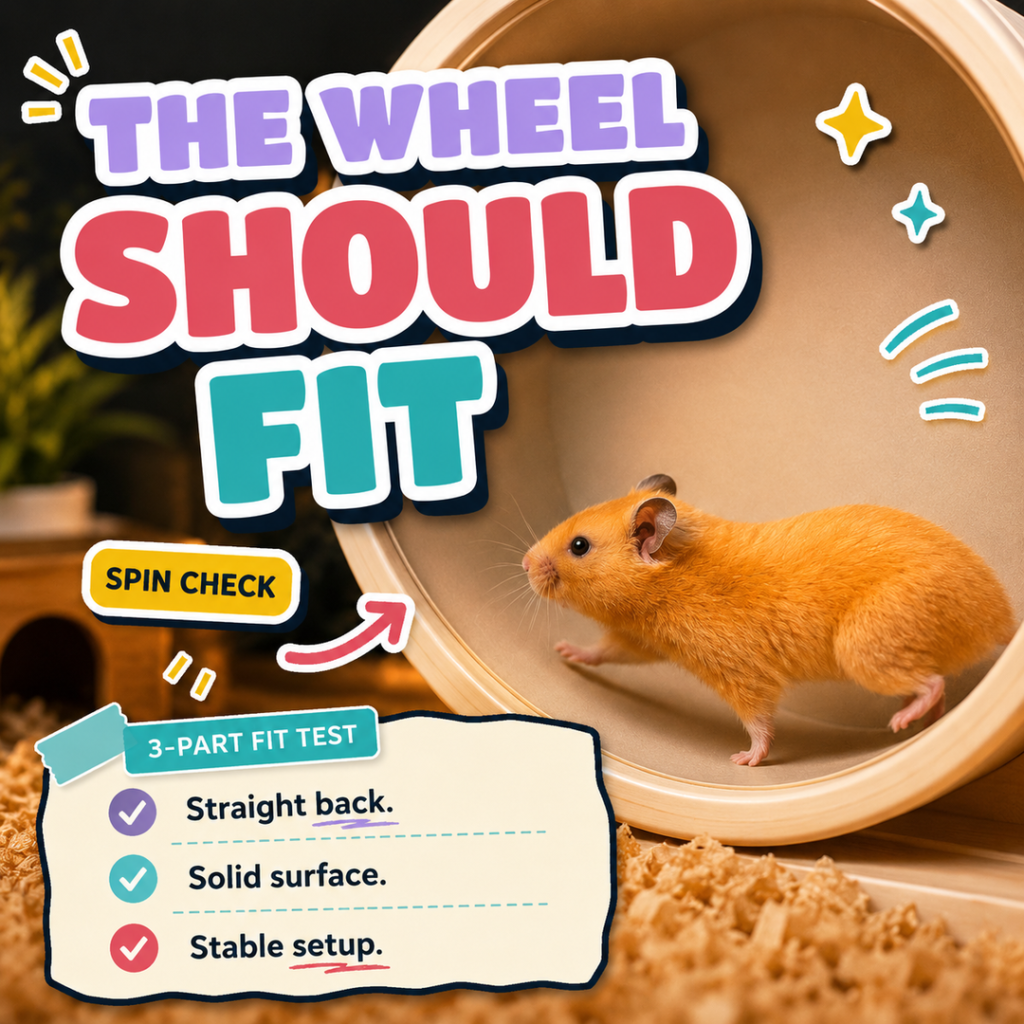
Choose a safe hamster wheel by checking size, straight-back posture, solid surface, stability and the signs that mean it is time to call a vet.
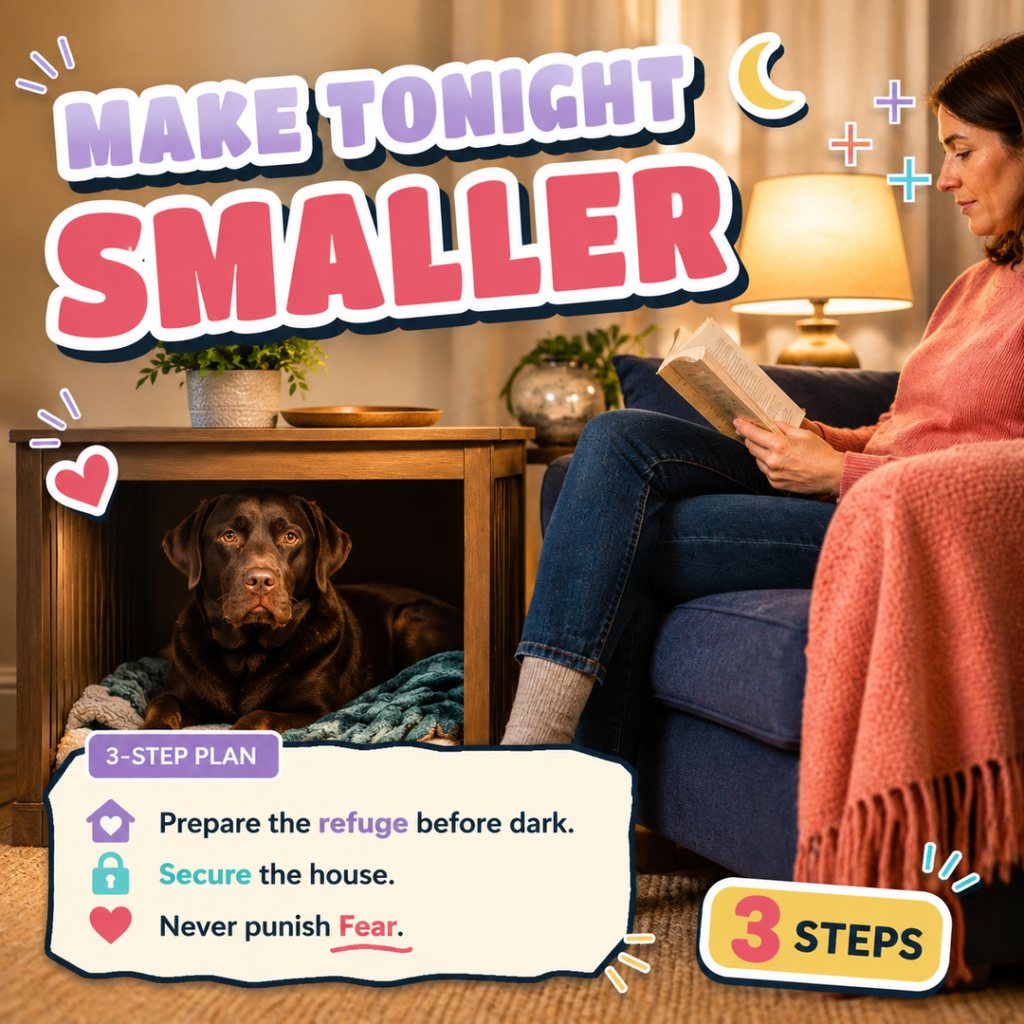
Make a safer fireworks plan for dogs, cats and small pets, with calm steps for before, during and after the noise plus vet guidance.

Try five safe indoor scent games for dogs using food, toys and simple hiding places, with setup, supervision and difficulty tips.

Learn what common cat tail positions and movements may suggest, how to read the whole cat, when to pause, and when to call your vet.
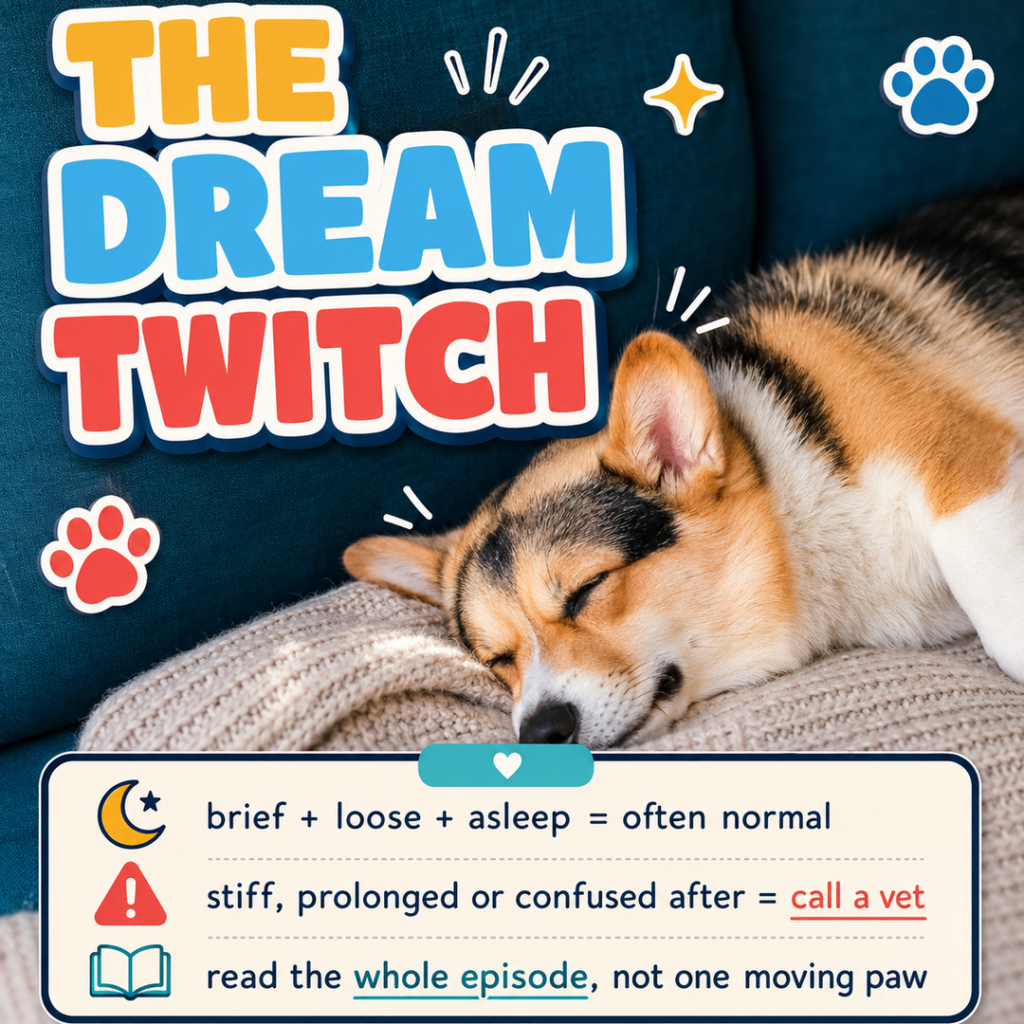
Why dogs twitch in their sleep, what relaxed dream movement can look like, which warning signs matter, and when to call your vet.
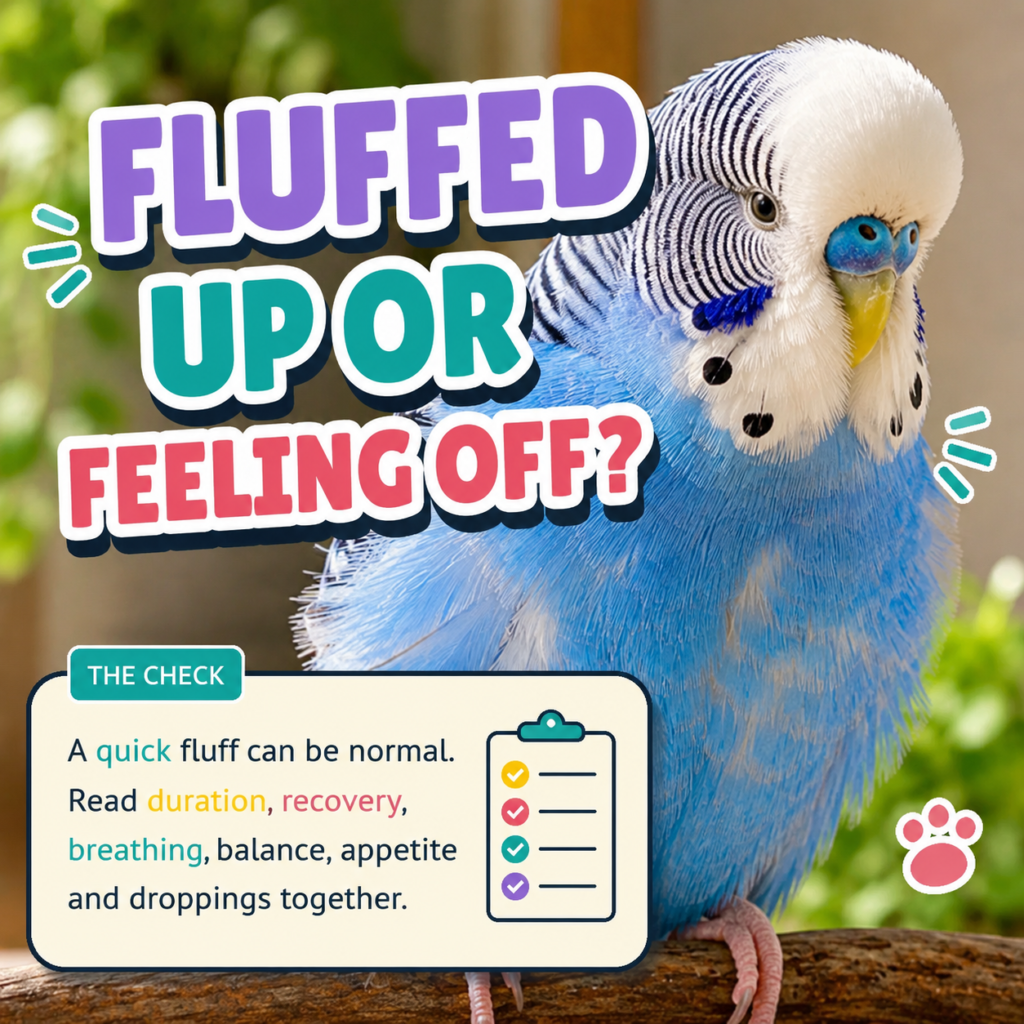
Why pet birds fluff their feathers, how warmth and preening fit, which whole-bird changes matter, and when to contact an avian vet promptly.