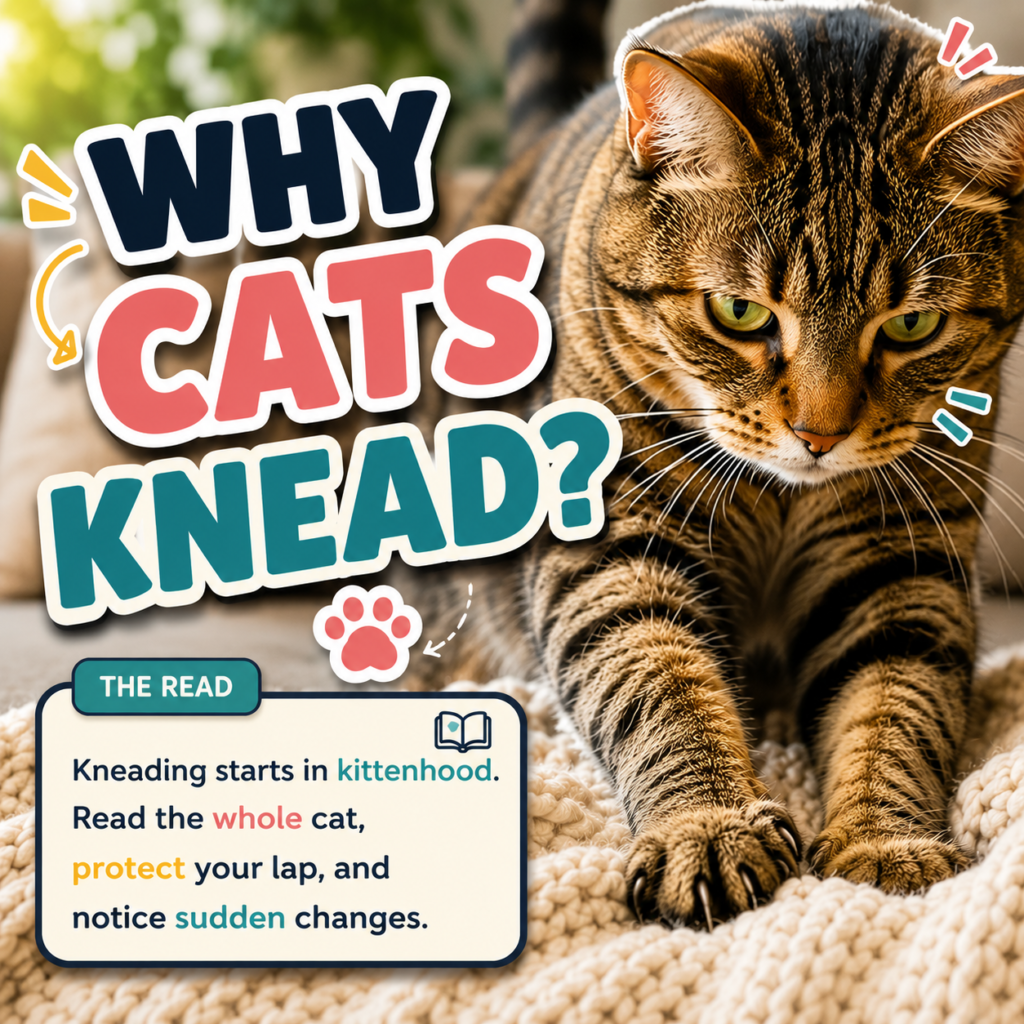
Your Cat Is Making Biscuits: What Kneading May Mean
Why cats knead blankets and laps, what we know from kittenhood, how to protect your lap kindly, and when a sudden change deserves a vet check.
Explore cute pet stories, funny animal behaviour, dog and cat facts, cozy pet care tips, and heartwarming animal moments from the CloudyAww world.
Why cats knead blankets and laps, what we know from kittenhood, how to protect your lap kindly, and when a sudden change deserves a vet check.
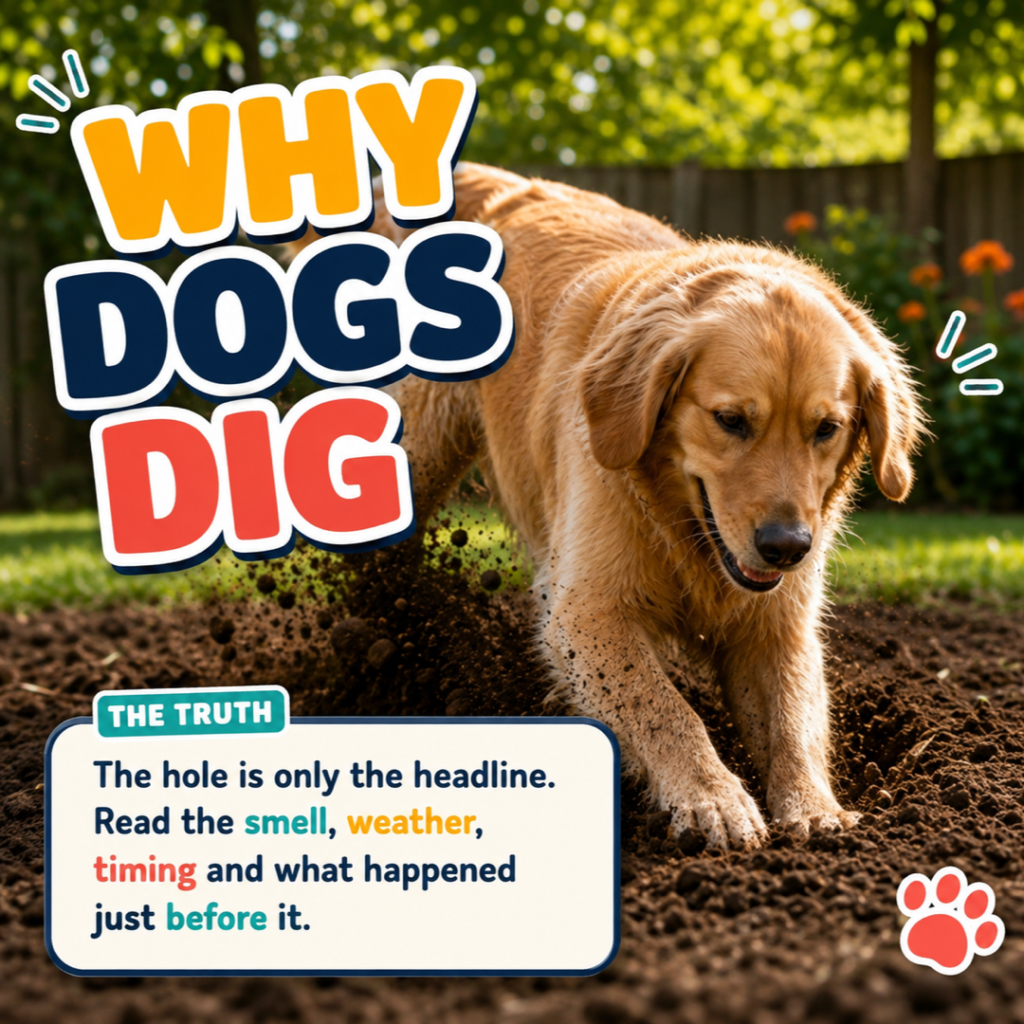
Why dogs dig, what the location and timing can reveal, how to build a legal digging spot, and when a sudden change deserves a vet or behaviour check.
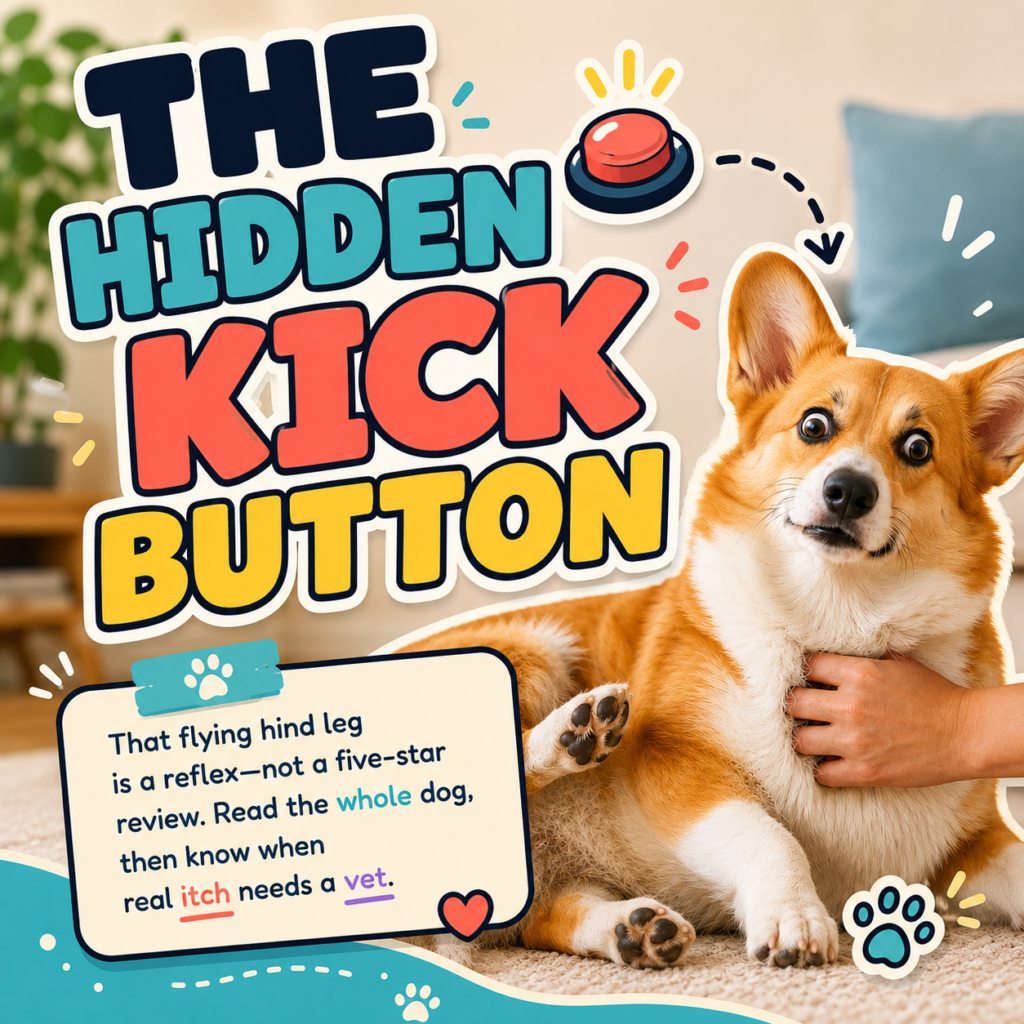
That sudden hind-leg kick is an automatic scratch reflex—but it does not tell the whole story. Here’s how to read the movement, your dog’s comfort and the skin clues worth checking.
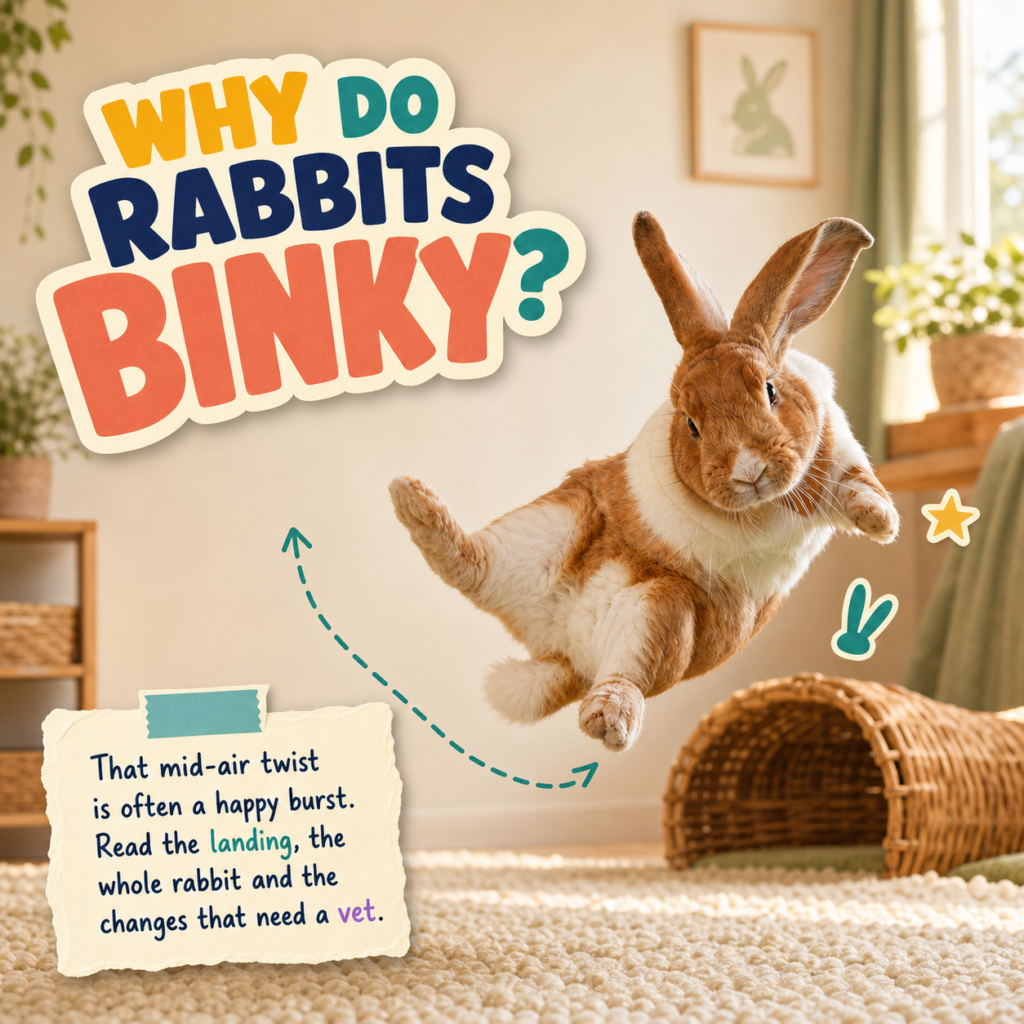
A rabbit binky can look like a hop, twist, kick or tiny head flick. Here’s how to read the whole moment, make movement safer and spot the signs that are not a normal happy burst.
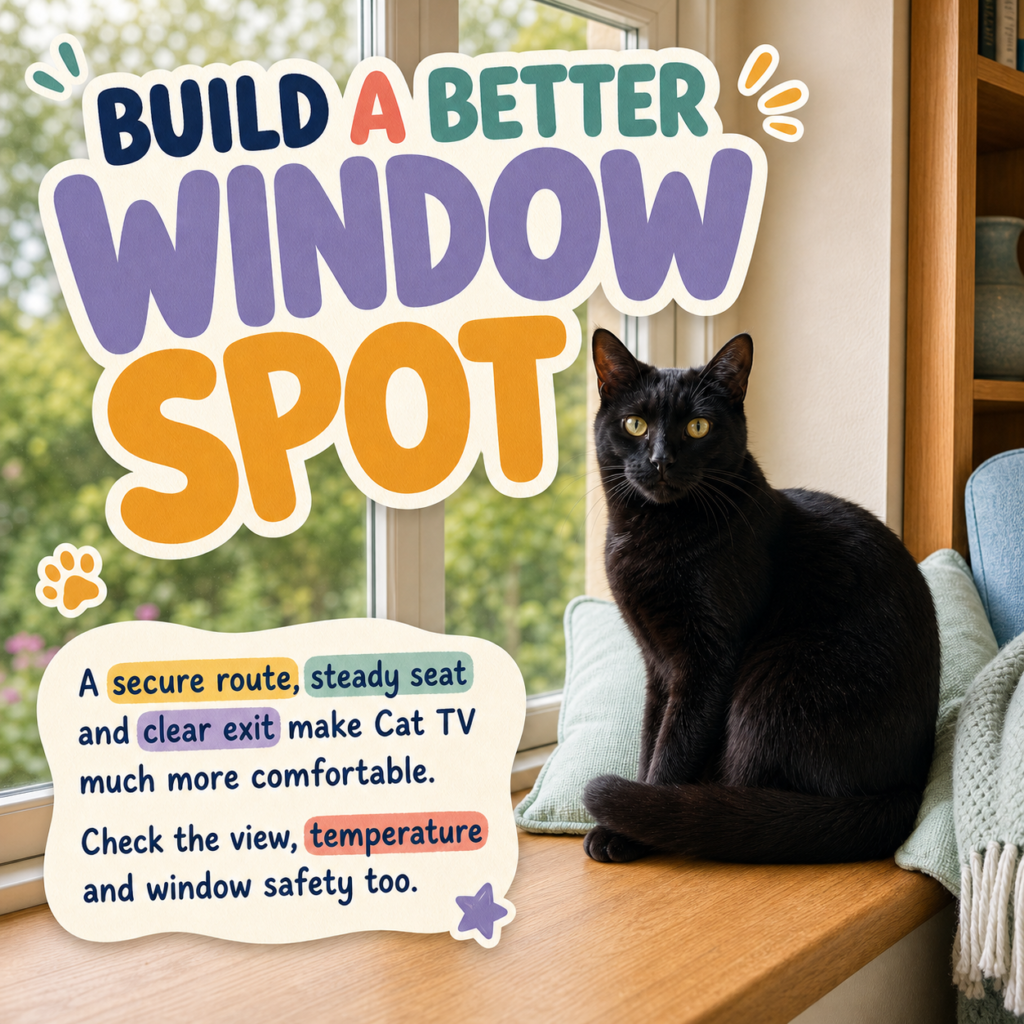
A better cat window spot is more than a cushion beside the glass. Build a secure, comfortable lookout with an easy route, a clear exit and a view your cat can enjoy without becoming trapped, overheated or wound up.
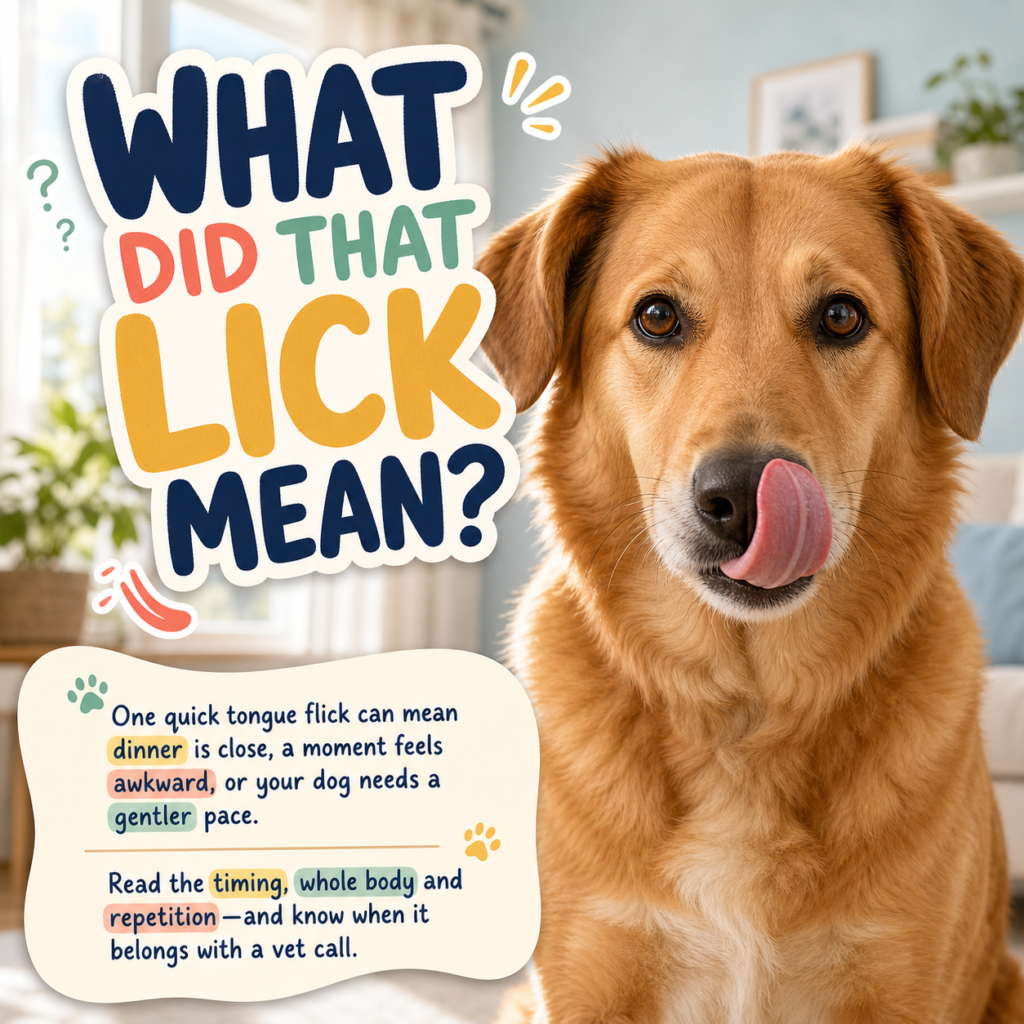
One quick tongue flick can mean dinner is close, a moment feels awkward, or your dog needs a gentler pace. Read the timing, whole body and repetition—and know when lip licking belongs with a vet call instead of a behaviour guess.
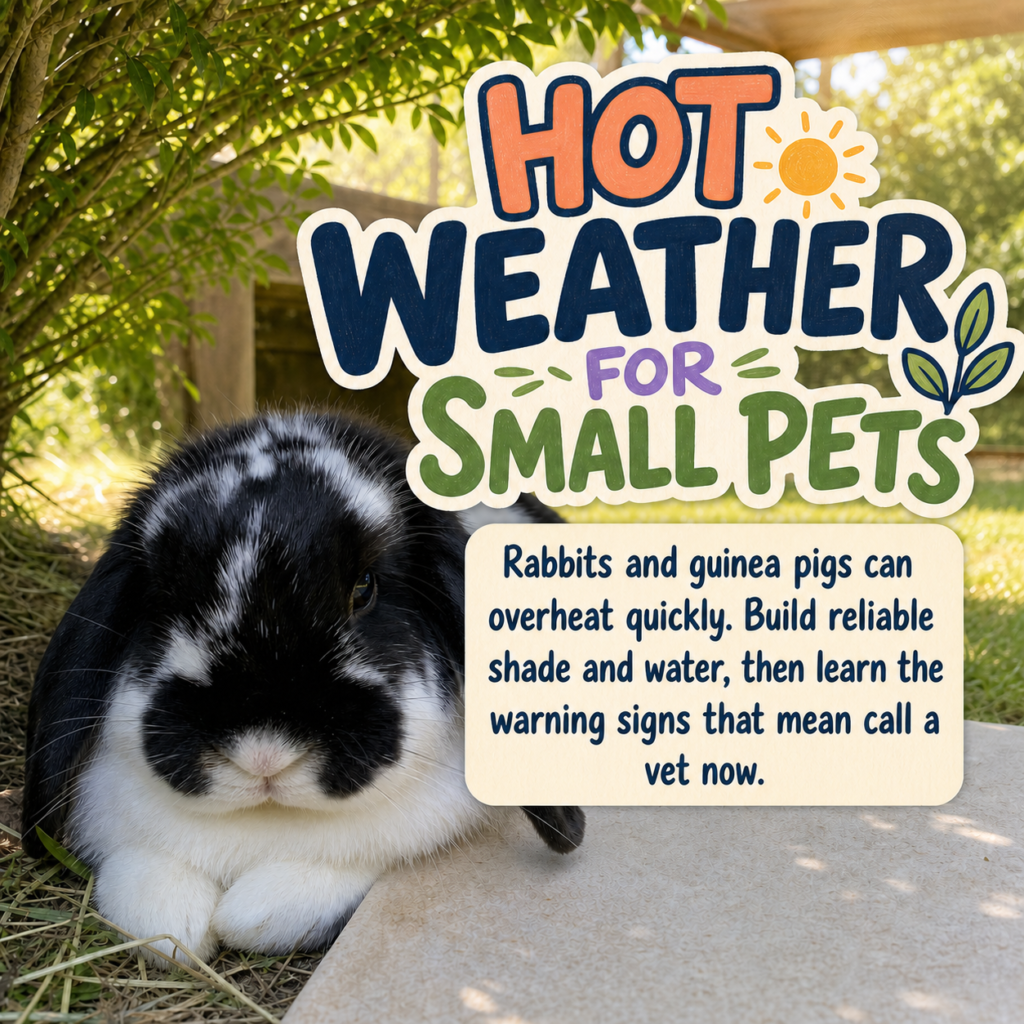
Small pets cannot simply shrug off a hot afternoon. Build shade that stays shady, keep water genuinely available, offer safe cool choices—and know the breathing and behaviour changes that mean call a vet now.
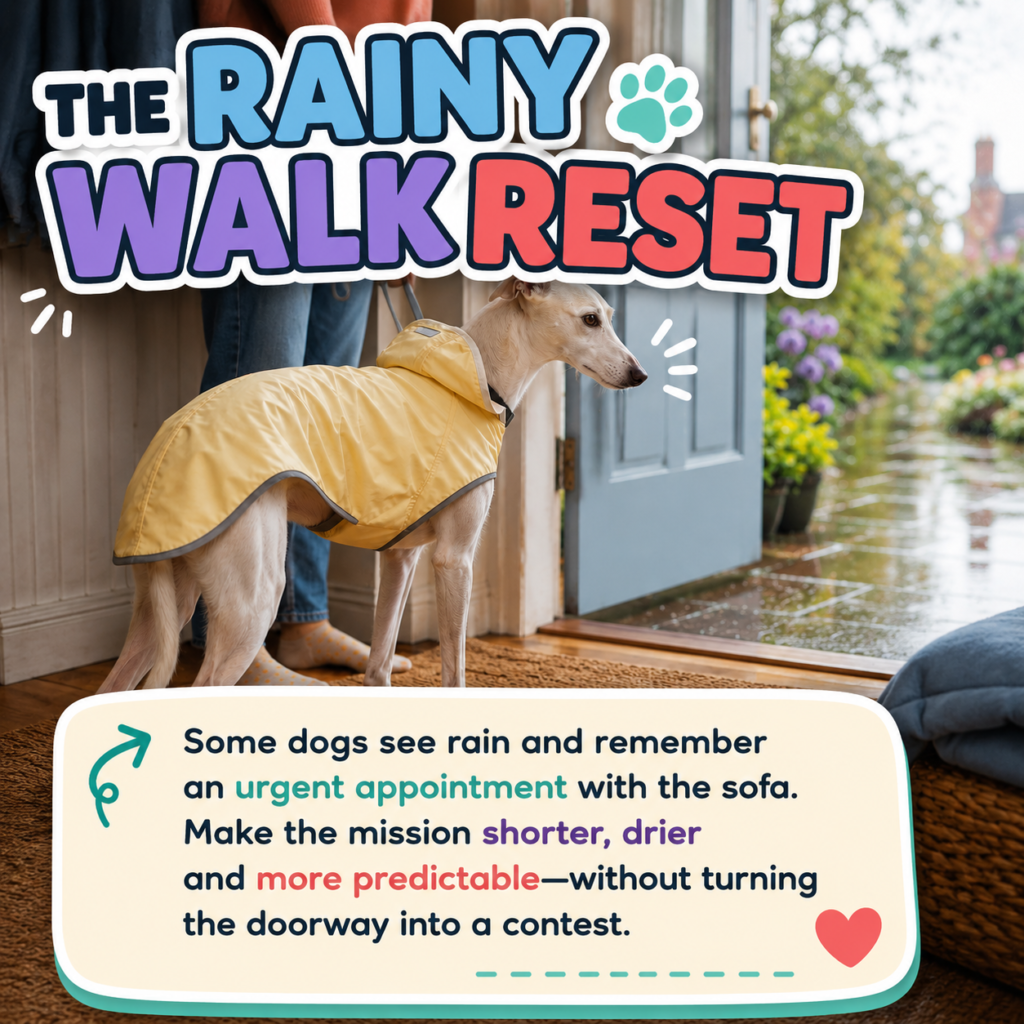
Some dogs see rain and immediately remember an urgent appointment with the sofa. Instead of dragging through the doorway, make the mission shorter, drier and more predictable—while watching for the changes that deserve a vet check.
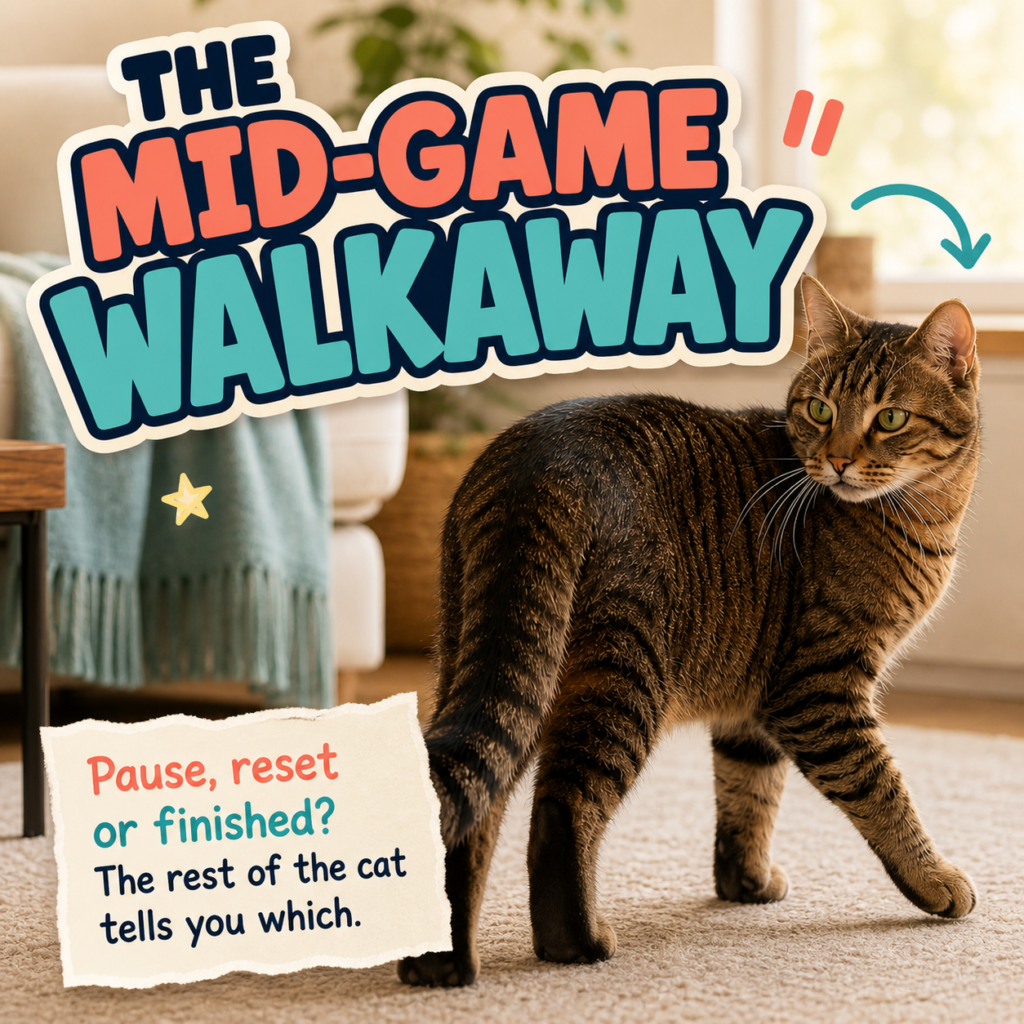
A cat may leave the toy, circle the room and return as if the game never stopped. That walkaway can be a pause, a reset or a quiet ‘finished’—and the rest of the body tells you which.
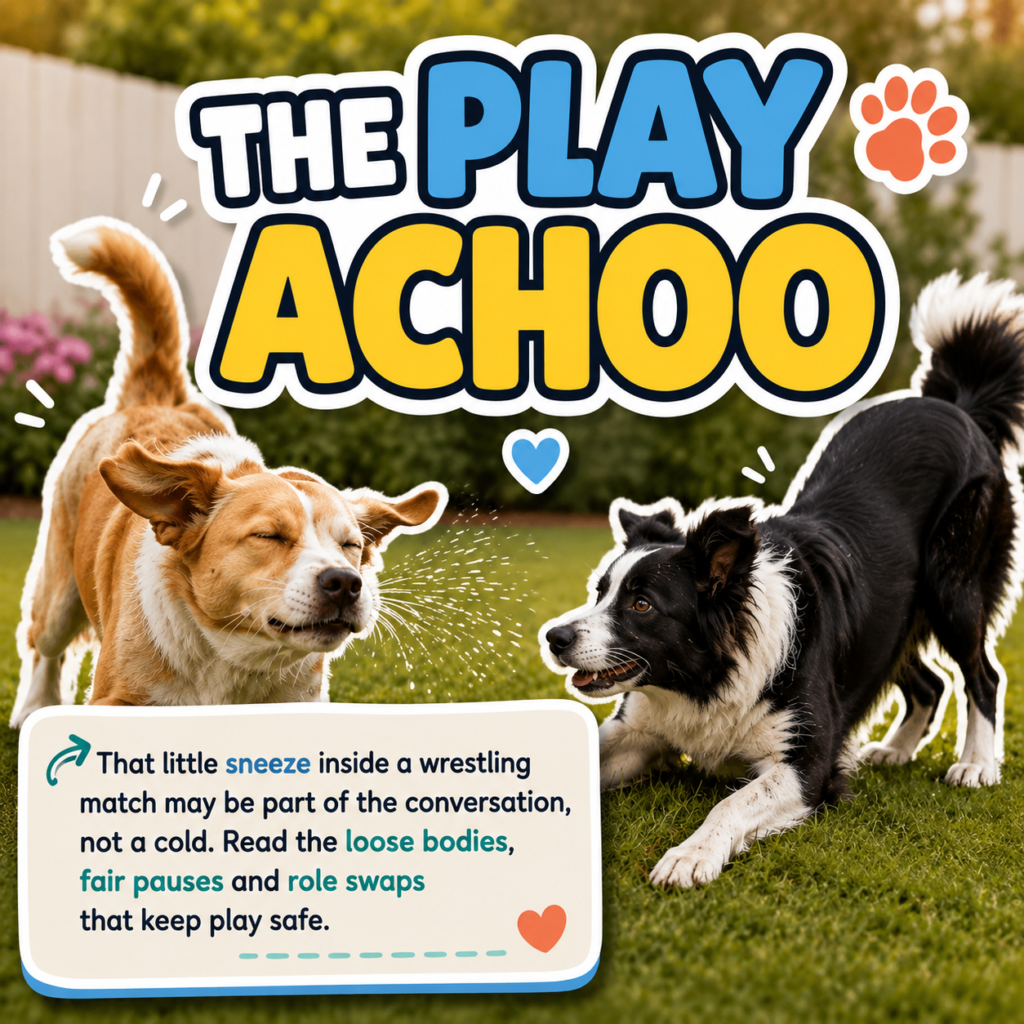
That little sneeze in the middle of a wrestling match may be part of the conversation, not a cold. Here is how to read the loose bodies, fair pauses and role swaps around a play sneeze—and when a changed pattern belongs with your vet.
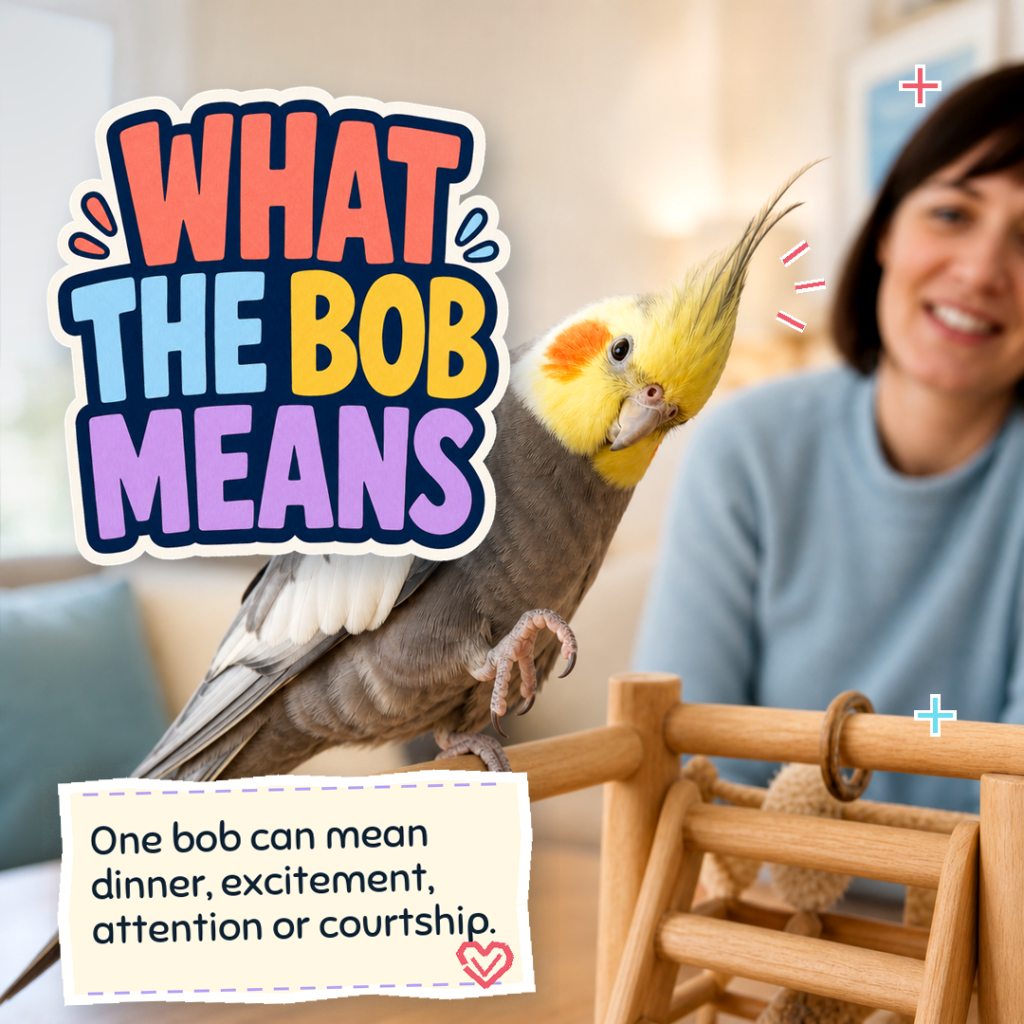
Head bobbing can mean dinner, excitement, attention, courtship—or simply one bird enjoying a beat. Here is how to read the whole scene, and when a changed pattern needs an avian vet.

A better indoor cat play session looks less like frantic toy-waving and more like a tiny hunt: hide, pause, pounce, catch and finish.
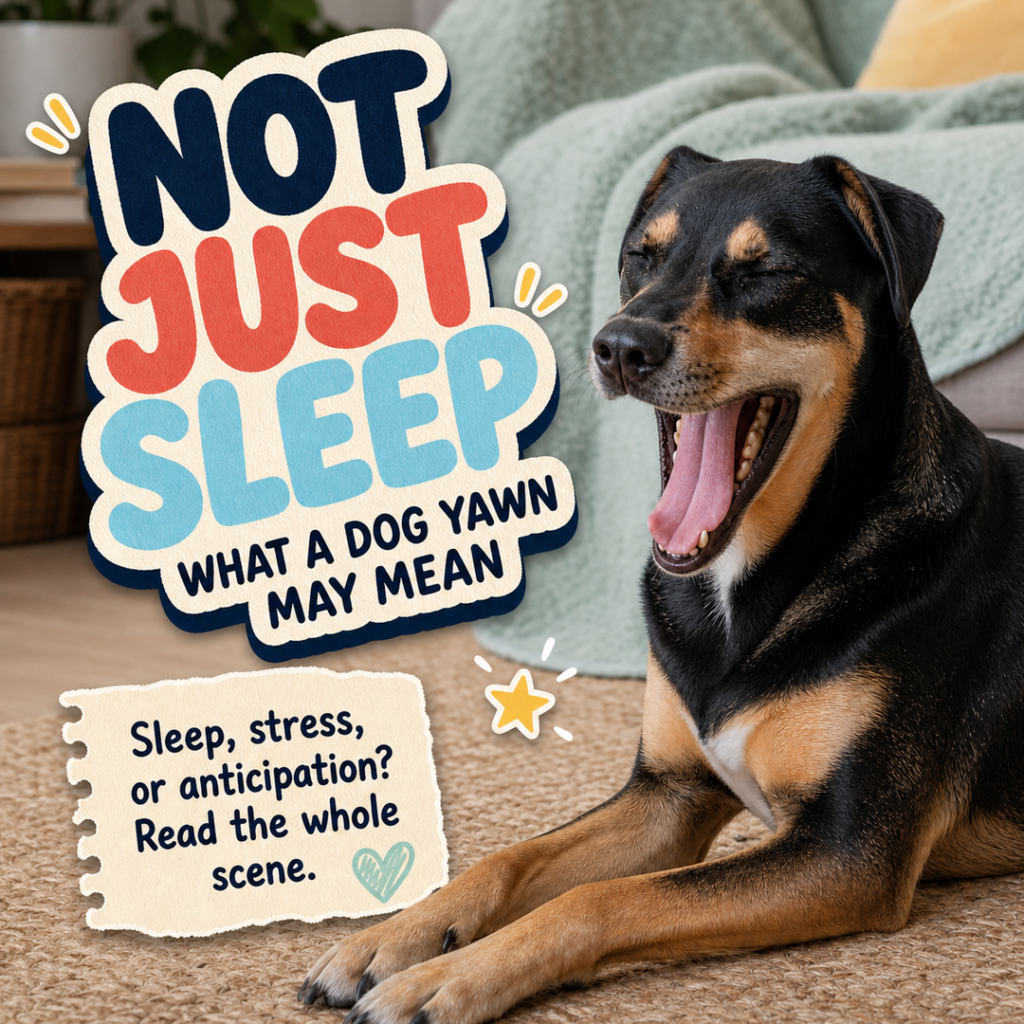
A dog yawn can fit sleep, but it can also appear around uncertainty, excitement or social pressure. Here’s how to read the whole dog, lower the pressure and notice when the pattern deserves a vet.
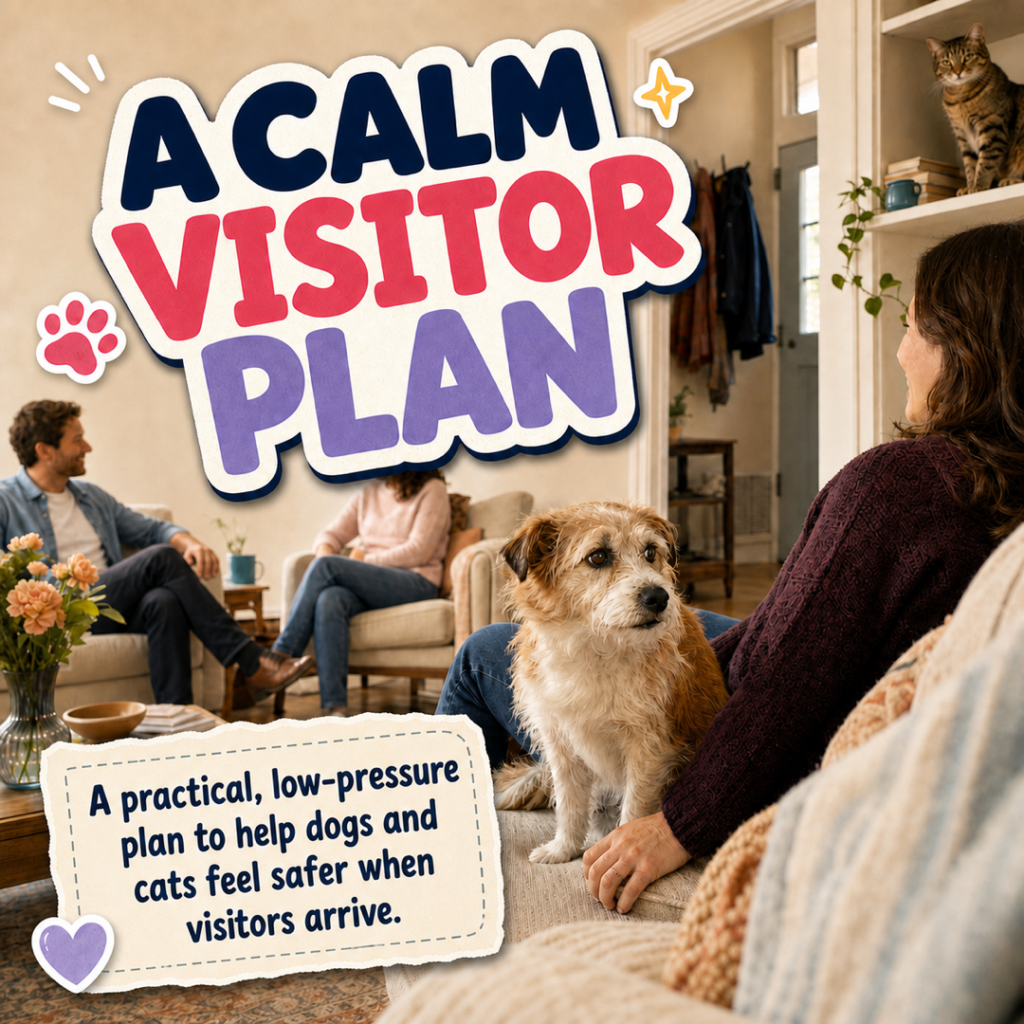
Visitors can change the sound, smell and movement of a familiar home. Here’s a calm plan that gives dogs and cats more choice, distance and a reliable place to retreat.

Those impossible-looking hamster cheeks are built for carrying food. Here’s how normal pouching works, how to read the full routine, and when a cheek that stays full needs a vet.
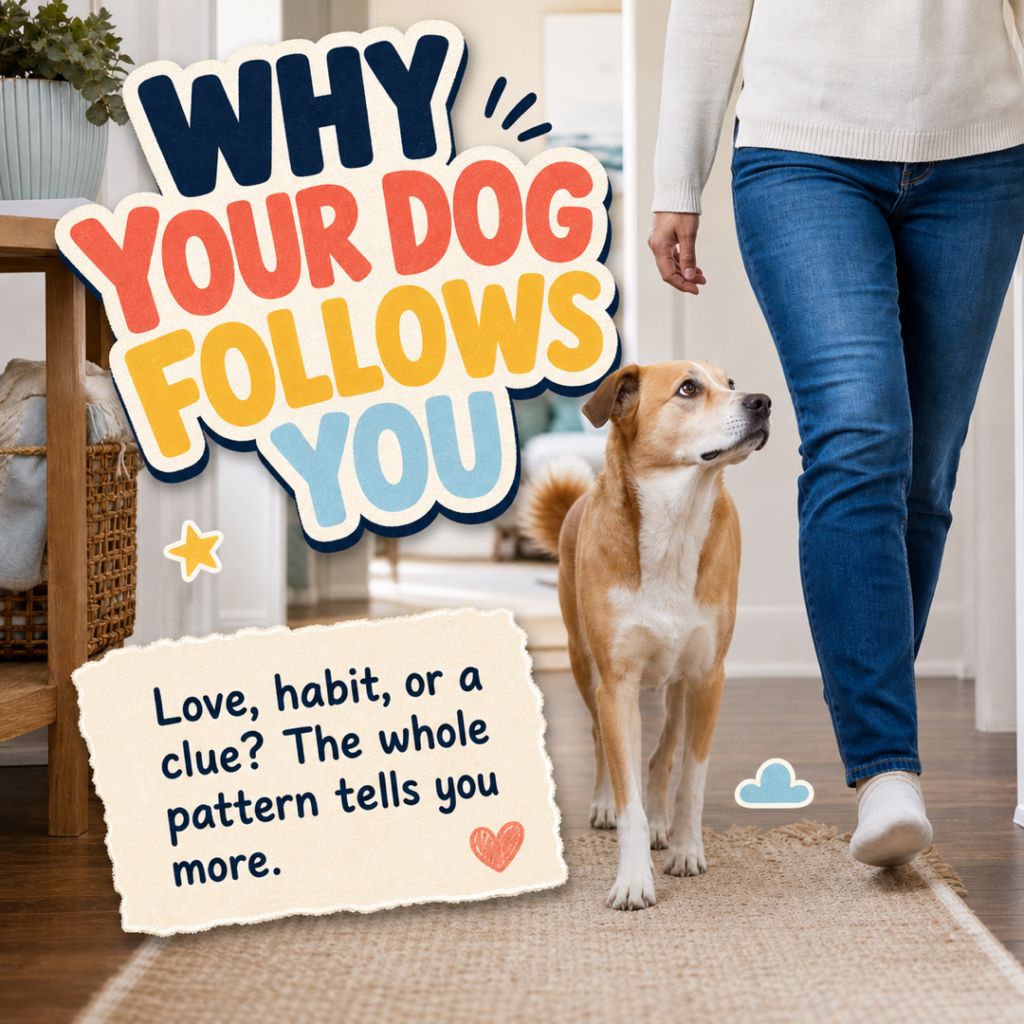
A dog-shaped shadow is usually social, observant or hopeful. Learn why dogs follow from room to room, how to encourage calm independence, and when a sudden change deserves attention.
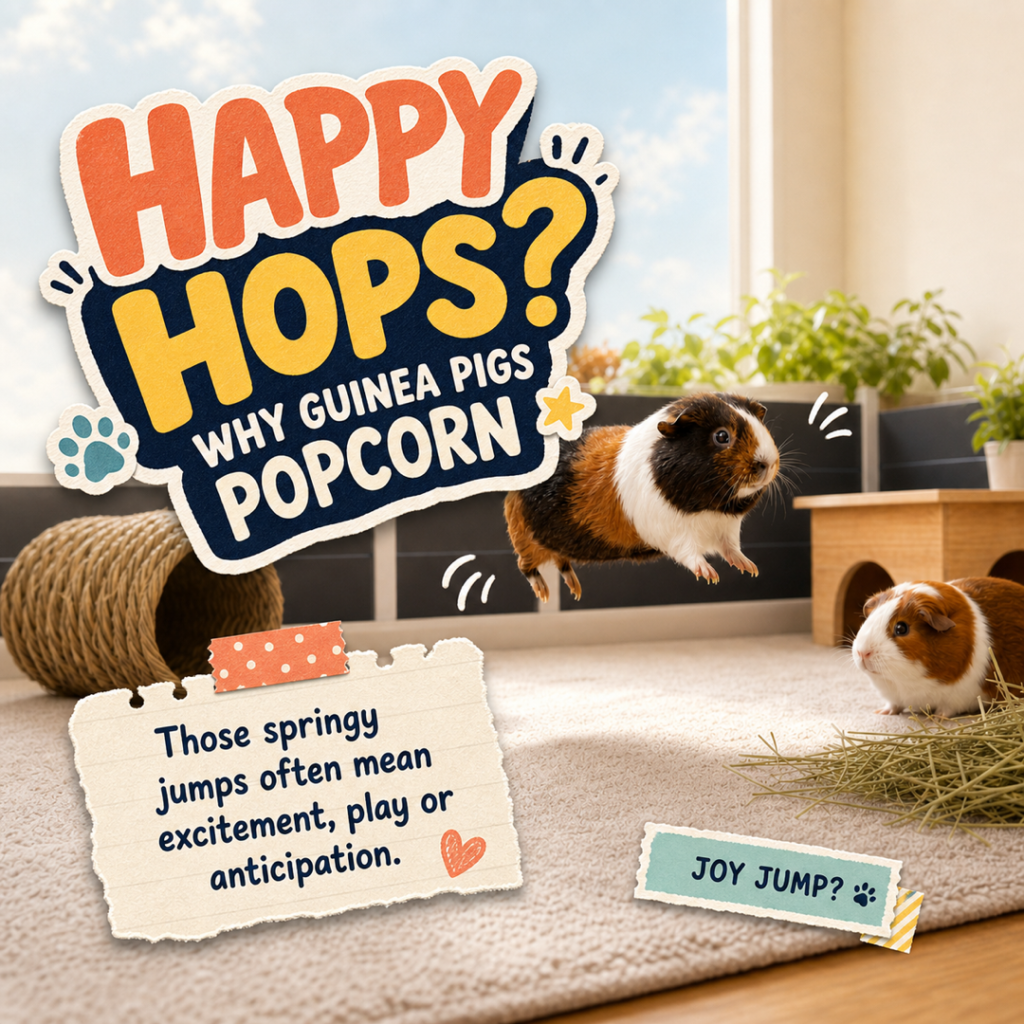
Guinea pig popcorning is usually a burst of excitement, but the landing and recovery matter too. Learn what normal tiny jumps look like and when to call a vet.
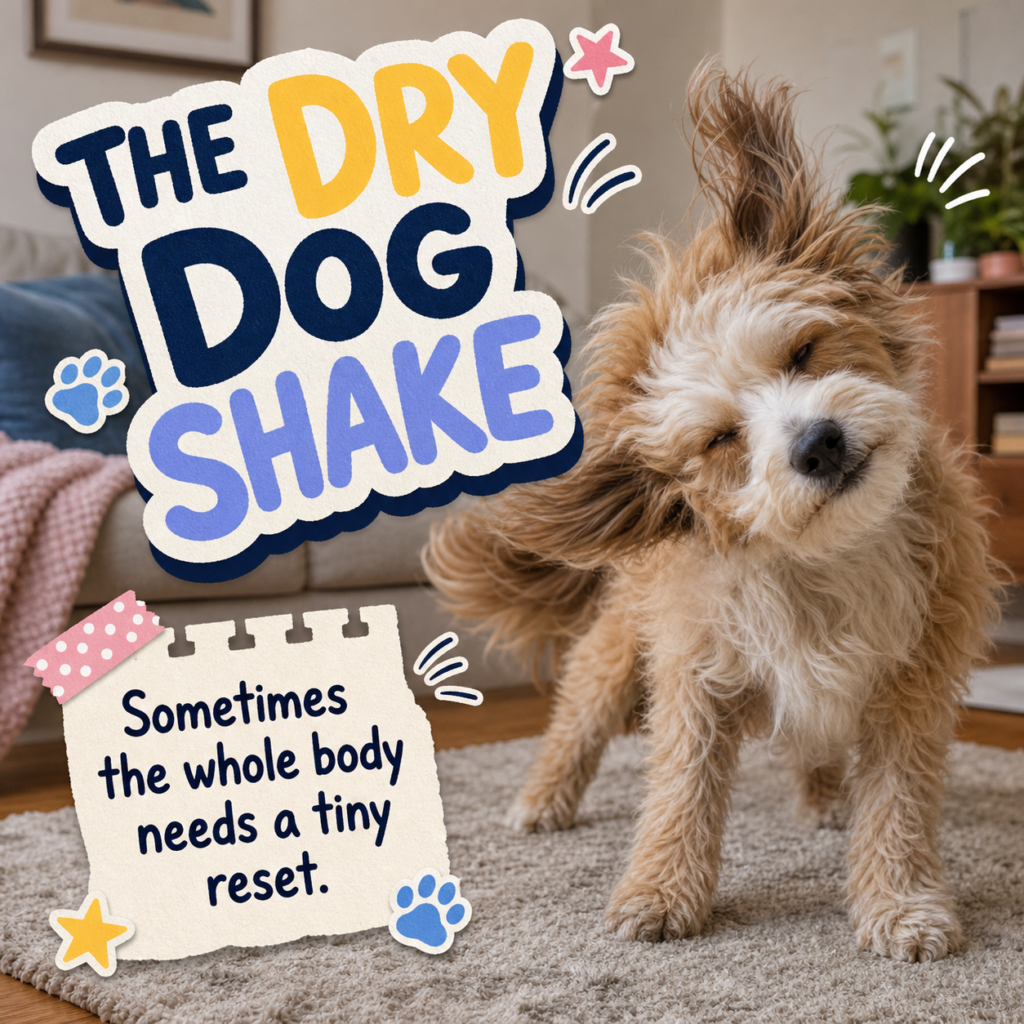
A dry full-body shake can appear between activities, after excitement, or after a challenging moment. The timing and the rest of the dog’s body tell you more than the wobble alone.
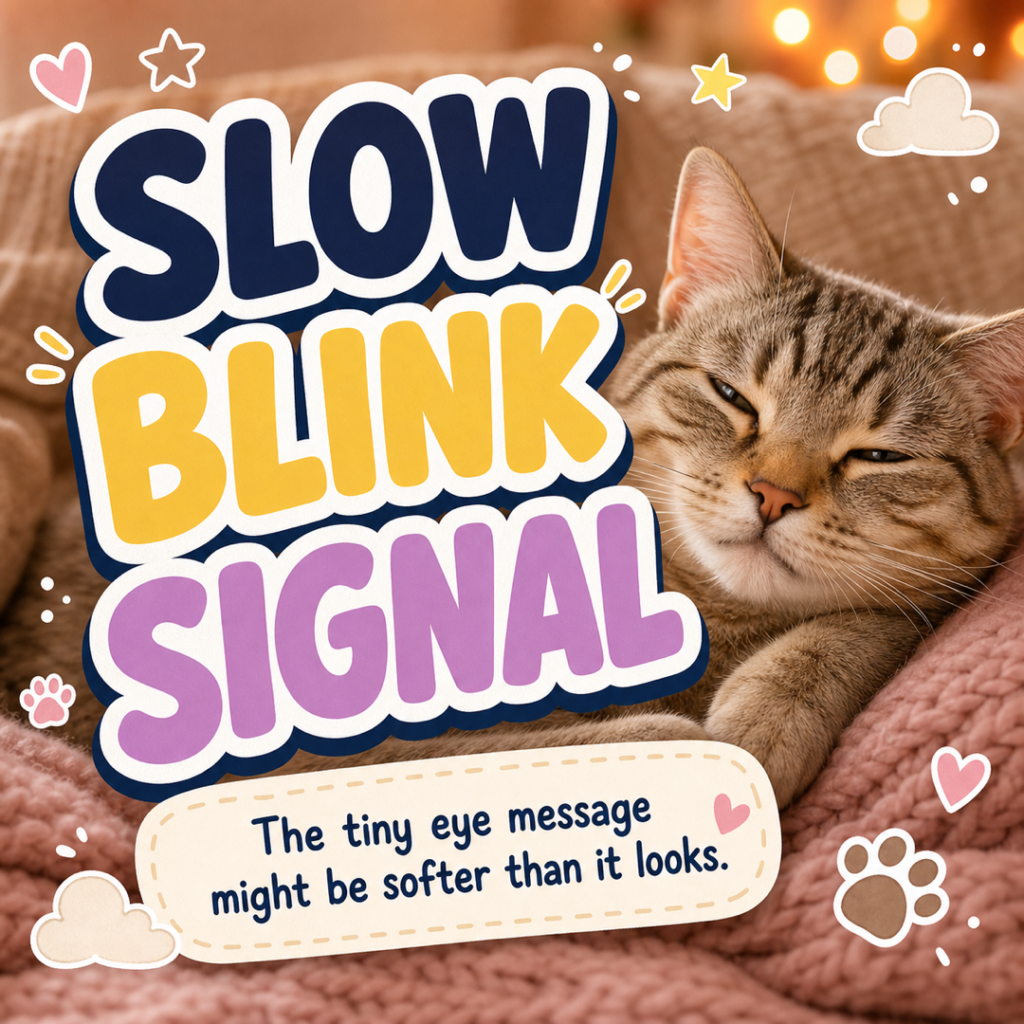
A cat slow blink can look like a tiny private message. It often appears in calm, positive moments, but the whole cat still matters more than one soft little eye movement.
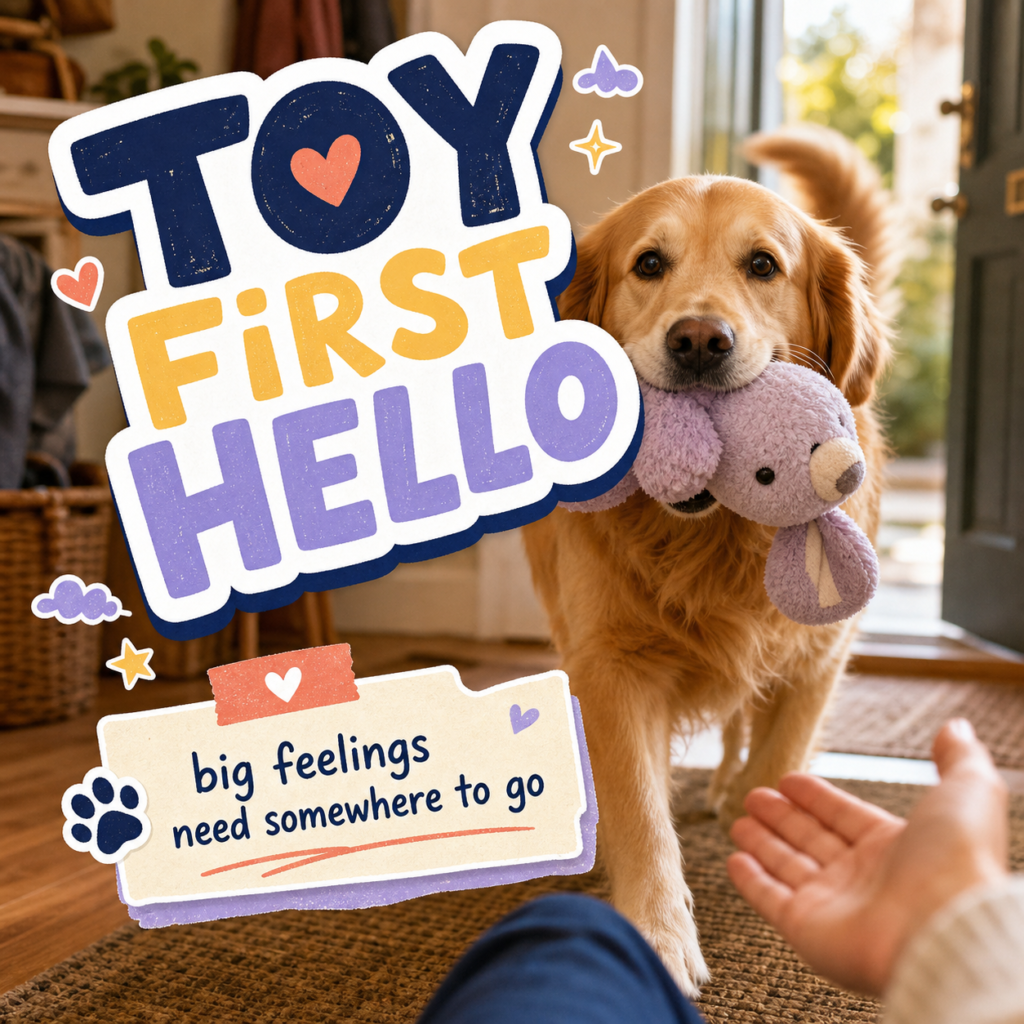
Some dogs greet their person by grabbing a toy first. It can be excitement, a play invitation, a learned ritual, or simply a happy dog giving big feelings somewhere safe to go.